
Six iconic Non-Binary figures from history
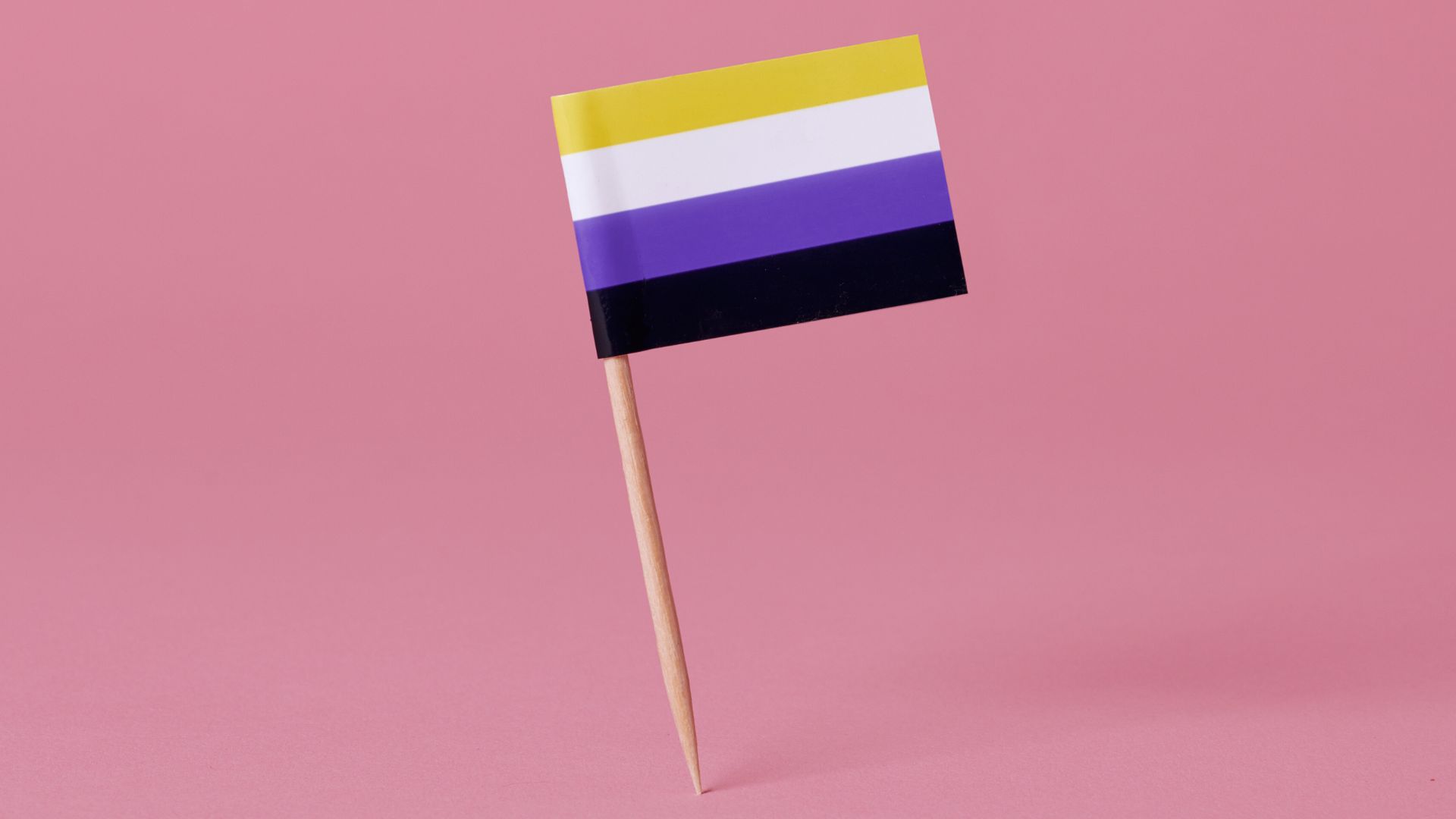
July 13, 2026Throughout history, many people have defied the conventional norms of gender identity, paving the way for future generations to explore and express their identities more freely. In honor of International Non-Binary People's Day, below is an overview of six non-binary figures who have made significant contributions in various fields
Anne Lister (1791-1840)
Often referred to as the "first modern lesbian," Anne Lister was a 19th-century landowner and diarist from Yorkshire, England. Notably, she meticulously documented her life in a series of diaries written in a code that combined Greek and algebra. Lister openly pursued relationships with women, defying the societal constraints of her time. Her diaries not only detail her romantic exploits but also provide an insight into the social climate of the time regarding gender and sexuality. In recent years, her life has received renewed attention through adaptations, bringing her story and the concept of non-binary identity to the forefront of popular culture.
Jennie June (1853-1916)
Jennie June, born as John A. "Jennie" June, was a prominent activist and writer in the early LGBTQ+ movement. As one of the first American trans women to publicly embrace a non-binary identity, Jennie wrote extensively about issues of gender and sexuality. She authored "The Autobiography of an Androgyne," which detailed her experiences as a gender non-conforming individual in a world that imposed rigid binaries. Her advocacy for gender diversity and visible representation in literature laid essential groundwork for the future of LGBTQ+ rights.
Claude Cahun (1894-1954)
French artist Claude Cahun, born Lucy Schwob, is celebrated for their work as a photographer and writer. A pioneer of surrealism, Cahun explored themes of identity, gender, and self-representation. With an androgynous appearance and fluid expressions of gender, their artworks often blurred the lines between masculinity and femininity. Cahun's theoretical explorations of identity precede modern understandings of gender fluidity and non-binarism, making them a significant figure in both art and feminist theory.
Sarah Edmonds (1841-1898)
Sarah Edmonds served as a soldier during the American Civil War, disguising herself as a man named Franklin Thompson to enlist. In her memoir, "Nurse and Spy in the Union Army," she reflects on her experiences and the challenges of living as a woman in a male-dominated environment. Edmonds's story highlights the complexities of gender identity during a time of strict gender roles while emphasizing her contributions as a nurse, soldier, and spy. Her life is a testament to those who defied societal expectations for the sake of personal authenticity and freedom.
Jens Andersson (1917-1987)
Jens Andersson was a Swedish artist and activist who challenged the rigidity of gender norms in mid-20th century society. While relatively lesser-known than others on this list, Andersson utilized their artistry to explore non-binary themes and the intersection of gender identity and societal restrictions. As a politically engaged figure, their work addressed the need for greater acceptance and representation of diverse gender identities.
Pauli Murray (1910-1985)
Pauli Murray was a groundbreaking civil rights activist, lawyer, and the first African American woman to be ordained as an Episcopal priest. Using both "she" and "they" pronouns, Murray's understanding of gender was fluid and ahead of their time. Their writings and philosophy emphasized the intersectionality of race, gender, and class, influencing both the civil rights and women’s rights movements. Murray's legacy lives on, especially through their contributions to legal scholarship that challenged discriminatory practices and championed equality for all, regardless of gender identity.
These non-binary figures each contributed to the visibility of gender diversity in their respective eras, bravely navigating the complex and often oppressive contexts surrounding them. Their legacies remind us of the ongoing journey towards understanding and acceptance of non-binary identities in society. As conversations about gender continue to evolve, the stories of these pioneers inspire new generations to embrace the full spectrum of human identity.
myGwork has created comprehensive guide is designed to help employers understand the legal landscape while promoting policies that uphold the rights and dignity of all employees, regardless of gender identity. It includes context on non-binary experiences, practical advice on allyship, current workplace data, and guidance on inclusive language.
Click below to access the full guide and take meaningful steps toward building a trans and non-binary-inclusive workplace.