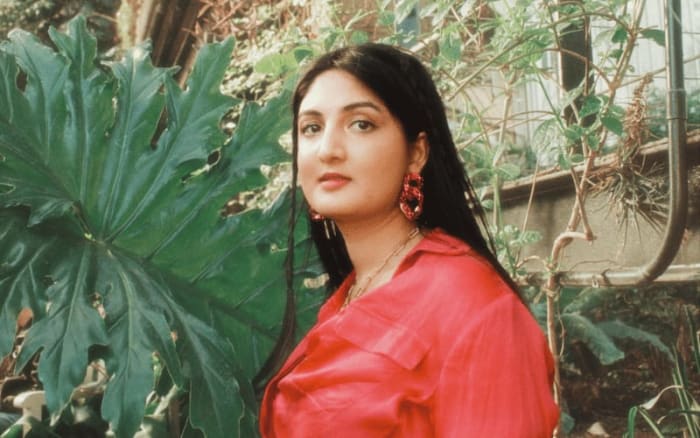
Slow fashion and self-love: an interview with Sinéad Khan
April 21, 2023Interview and photos by Zoe Schulz, Head of Content at myGwork
The theme for this year’s Earth Day is invest in our planet. Taking place Saturday, it’s the 53rd time the day has been marked, yet the climate crisis feels like it’s at an all-time high emergency, with those who have the power to do something consistently falling short. Despite this, activists, campaigners, and every-day-people continue to work to spark change and protect our planet.
This year’s theme feels like a pertinent nod to how capitalism is catastrophically failing to address the climate crisis; we cannot blindly consume, as no business can function without a planet to live on. Every industry needs to actively engage in building a business model that is kinder both to the earth and the people it impacts. The most important investment any of us will ever make is in our planet, community, and future.
One industry that often comes under fire is fashion, particularly fast fashion, aptly named for how rapidly they churn out clothing at a very low cost. The low price is only possible because of the meager wages that garment workers make and the low quality of the materials. On average, each piece of clothing made is worn a total of seven times, and 85% of these garments will end up in landfill. This, coupled with the environmental waste factories produce, makes the fashion industry the second largest polluter in the world – beaten only by oil.
It’s clear that investing in our planet also means looking at how we invest in our wardrobes. I spoke to Sinéad Khan, fashion blogger, style icon, and creator of #dressedlikeilovemyself, about precisely this, as well as how we can all combine slow fashion with acts of self-love.
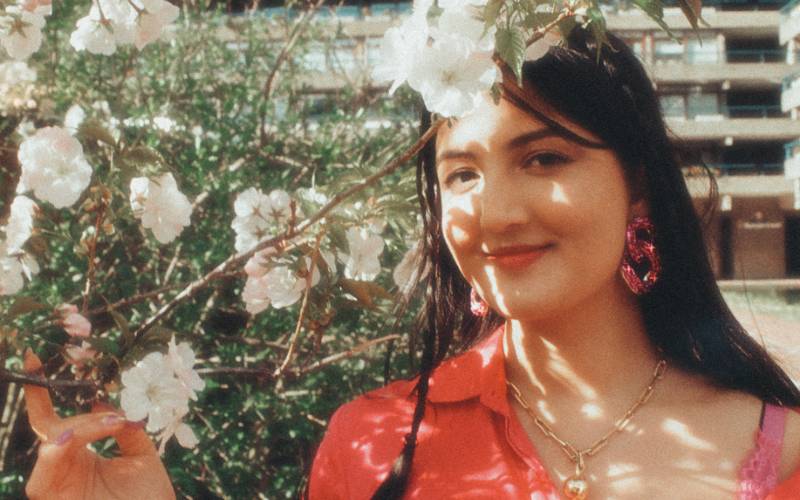
Hey Sinéad! Thanks for chatting with us. Can you tell us a bit about yourself?
Hiya! I’m a content creator and marketeer living in London. I’m passionate about self-expression, and my personal philosophy is to dance like everyone’s watching.
So, what is #dressedlikeIlovemyself and what inspired it?
Dressing like I love myself is a concept that emerged during the pandemic. Like many, Yoga with Adrienne videos were a daily ritual for me. In one practice, she mentions ‘moving like you love yourself’ - the intentionality of those words really resonated with me, and I started applying it to other areas of my life - namely style!
I noticed that wearing ‘home clothes’ quickly lost its novelty and wasn’t making me feel great, so I started asking myself each morning ‘what would it look like to dress like I love myself today?’
Dressing like you love yourself isn’t about wearing a ballgown everyday - it’s more about tuning into the energy that you want to channel through your outfit. And that can look vastly different every day!
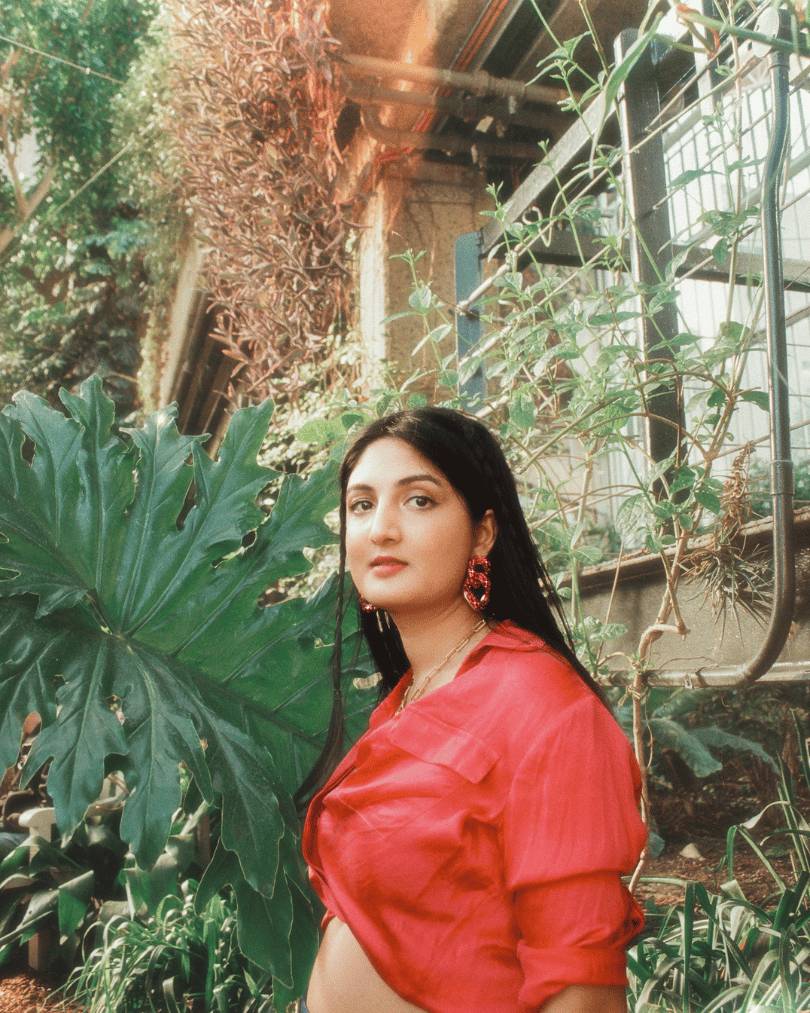
“I started asking myself each morning ‘what would it look like to dress like I love myself today?’”
Can you share a bit about your journey into sustainable fashion?
In 2012, I started a fashion blog. Back then, fashion content largely revolved around haul culture and following trends - something I really didn’t fit in with. Most of my clothes are second-hand, or I’ve owned them for a long time. I wanted my blog to be a source of style inspiration, not a list of links to clothes to buy. So, I guess I’ve always tried to encourage people to wear what they own.
Fast forward to 2020, and I noticed that in tandem with the Black Lives Matter movement, conversations were gaining momentum about the environment, the poor treatment of fast fashion workers and overconsumption (I mean, under capitalism, it’s all linked!). This was when I really leaned into posting about sustainable fashion - though I’d been practicing it for much longer.
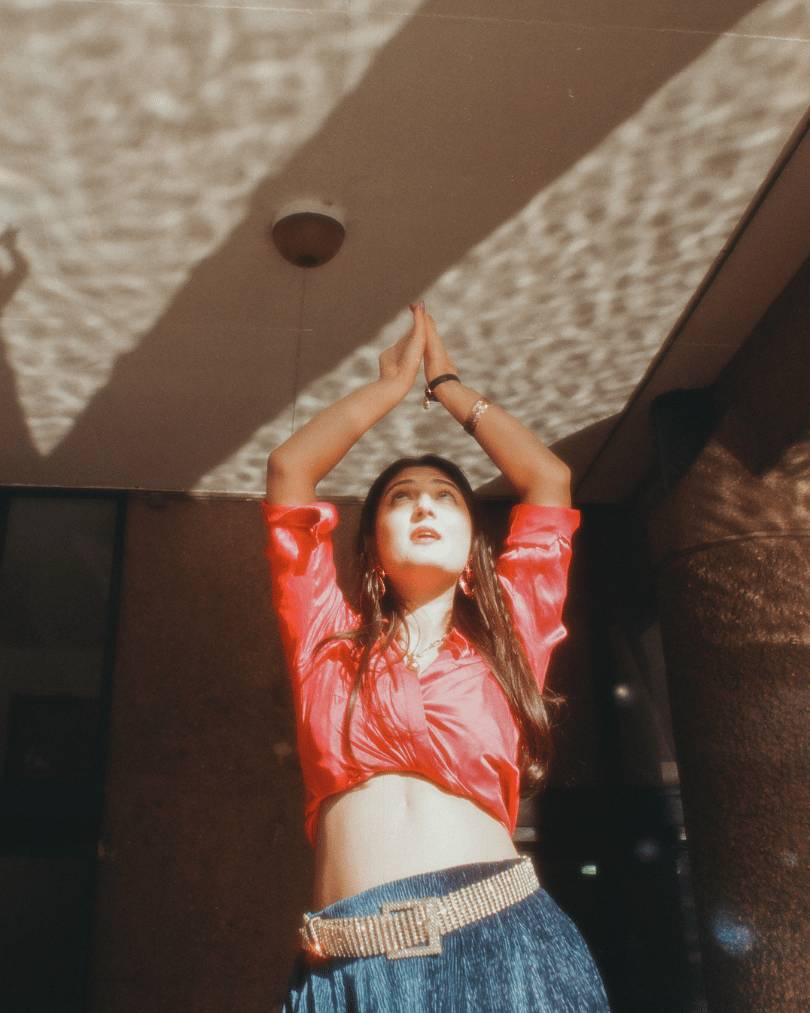
“Would someone who loves themselves want to wear an item of clothing knowing the person who made it wasn’t paid fairly?”
You often speak about the intersection of slow fashion and self-love - what does this mean to you?
Yes! It comes back to my favorite word - intentionality.
Would someone who loves themselves want to wear something that’s uncomfortable or tight? Would someone who loves themselves buy clothes that don’t fit their personal style? Would someone who loves themselves want to contribute to pollution by overconsuming fast fashion? Would someone who loves themselves want to wear an item of clothing knowing the person who made it wasn’t paid fairly
“I think it’s so easy to feel disconnected from the wider impact of our choices.”
Why do you think more people should care about sustainability within fashion?
I think it’s so easy to feel disconnected from the wider impact of our choices. I’m guilty of this too! Whilst so many of the benefits of sustainable fashion are far-reaching (environmental, fairer pay for labor workers), there are also so many benefits closer to home. For example - you’ll find yourself spending less, finding it easier to pick out outfits and feeling generally more empowered than enslaved by fashion.
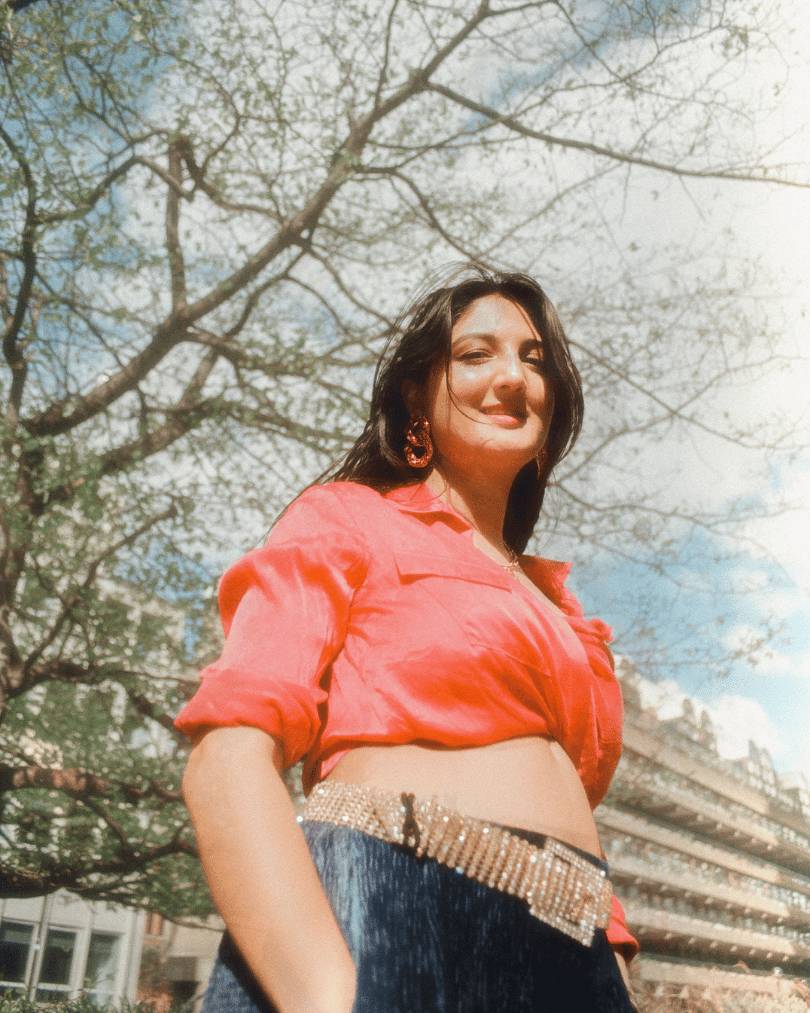
What does fashion give to you?
This can be conflicting for me as a feminist - I know men aren’t held to the same standards of appearance as we are! But ultimately fashion is art to me. It’s a way of finding joy in the everyday, of boosting my confidence and expressing myself.
What are your top sustainable style tips?
• Make a list of energies you want to embody through style
• Try keeping a list of every new item of clothing you buy for 3 months
• Download a digital wardrobe app and track what you wear most/your favourite outfit
• Keep a ‘wardrobe wishlist’ - let yourself really think before buying new
• Mend clothes before you give up on them completely
If you had one message for everyone this Earth Day, what would it be?
The fashion industry is responsible for 8-10% of global emissions - more than aviation and shipping combined. Fast fashion waste ends up on the shores of other countries. It’s our responsibility to do better.
Buying more doesn’t mean you’ll have more to wear. Wear what’s in your wardrobe, be intentional and take back your fashion power.
Connect with Sinéad: