Study affirms importance of cardiac monitoring during Gender-Affirming Hormone Therapy
August 11, 2025A recent study published in JAMA Network Open provides further insights into the effects of gender-affirming hormone therapy (GAHT) on cardiac electrophysiology. The research underscores the necessity of routine cardiac monitoring for transgender individuals undergoing hormone therapy, while reinforcing the critical link between affirming care and comprehensive healthcare.
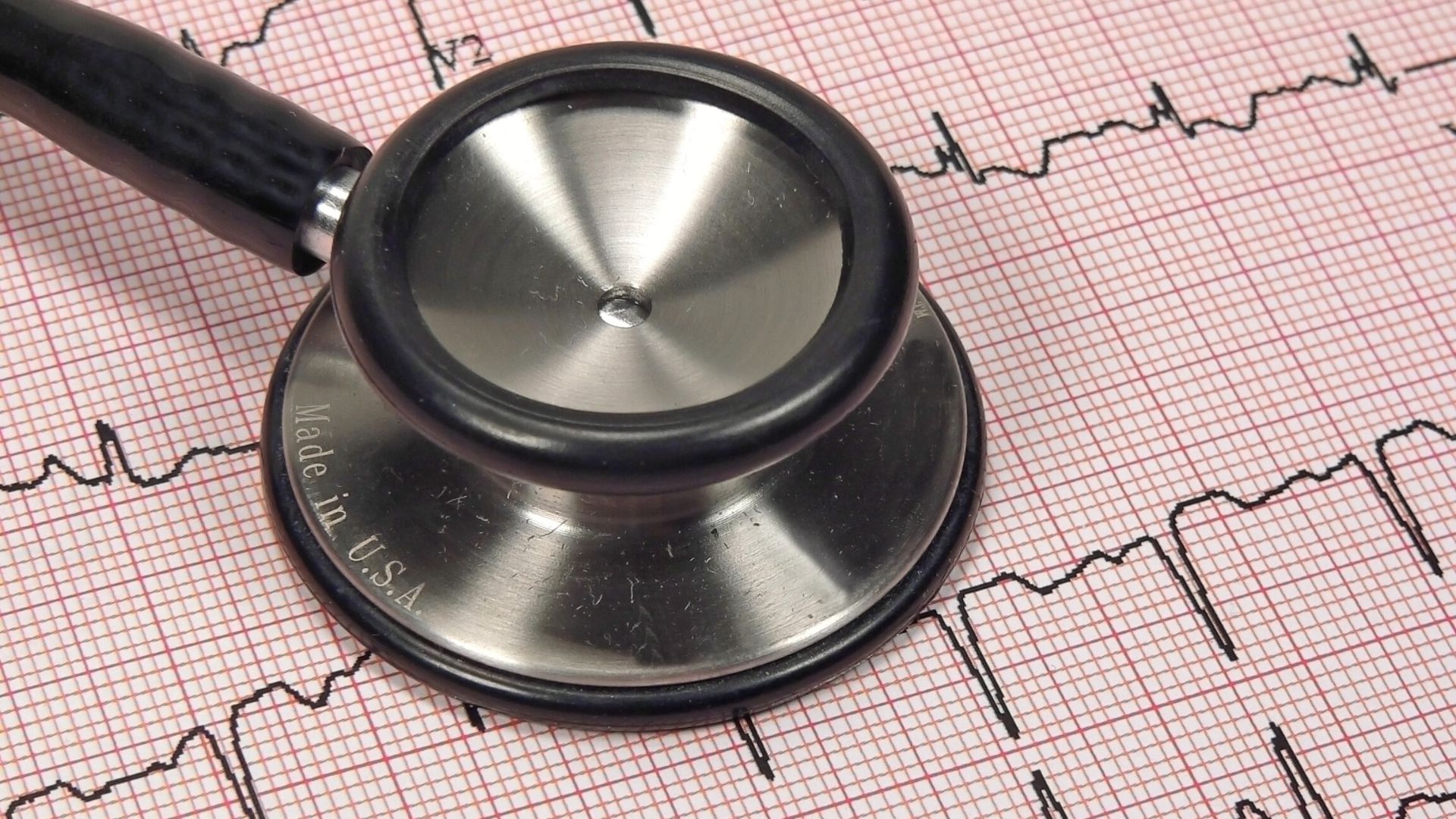
The French study tracked transgender adults receiving hormone therapy between January 2021 and January 2023, examining electrical signals in the heart through electrocardiograms (ECG). Researchers focused on the QT interval, a measure of the time required for heart muscle cells to repolarize after each heartbeat. Deviations in the QT interval, whether prolonged or shortened, can indicate potential cardiac issues.
Transgender men exhibited a tendency toward shorter QT intervals and enhanced T waves on ECG readings, whereas transgender women displayed a trend toward longer QT intervals.
These observations align with established physiological differences in cardiac rhythms between cisgender men and women, suggesting that hormone therapy facilitates a shift in heart patterns consistent with the individual's gender identity.
The study's findings emphasize the importance of considering the QT interval, particularly when individuals are concurrently taking other medications known to prolong it. Excessive QT prolongation can lead to torsades de pointes, a rare but potentially life-threatening arrhythmia.
While these findings do not indicate that GAHT is inherently unsafe, they highlight the need for healthcare providers and patients to be vigilant about potential cardiac changes and to proactively monitor heart health. The benefits of gender-affirming hormones typically outweigh the risks; however, regular monitoring is advisable.
It is recommended for patients to initiate a discussion with healthcare providers regarding baseline ECG screening and periodic follow-up assessments upon commencing GAHT. Maintain transparency with your healthcare provider regarding all medications and supplements being taken to facilitate the identification of potential QT-related concerns. Recognize that cardiac monitoring is an integral component of safe and affirming care, aimed at optimizing health outcomes during gender transition.