
Study finds that donor-conceived kids of lesbian mothers are doing great
May 16, 2025A two-decade-long study has discovered that children conceived by lesbian parents through donors are as well-adjusted as any other children. This 21-year study followed children conceived with anonymous donors, known donors, and open-identity donors (who can be contacted when the child turns 18) into their early thirties. It was published in Reproductive BioMedicine Online and revealed that more than 80% of these individuals consistently fell within the normal range in terms of problem behaviours at all stages.
The research aimed to explore whether the type of donor and the level of contact with the donor influenced behavioural outcomes in adult offspring of lesbian parents. Although similar studies have determined that donor conception does not lead to poor mental health, this is the first to focus solely on children of lesbian parents and examine different donor types.
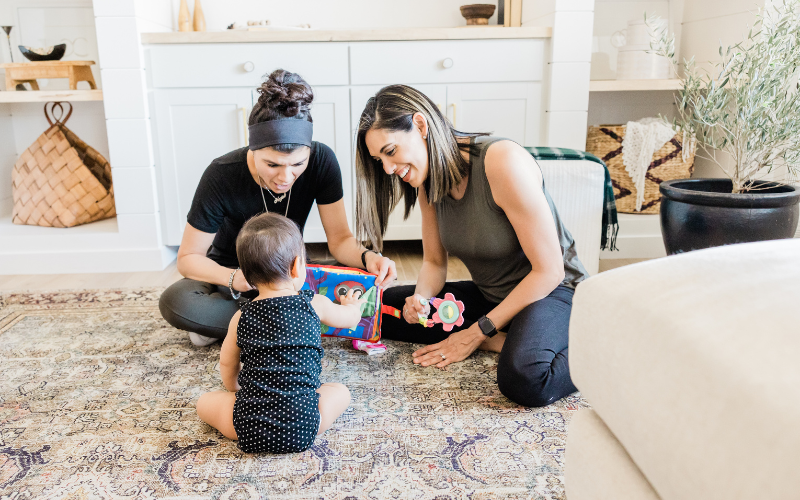
According to ‘LGBTQ Nation’, the findings showed that the type of donor did not influence mental health outcomes, emphasising family stability as crucial for minimising behavioural challenges. The study concluded, “Findings underscore the psychological resilience of donor-conceived offspring of lesbian parents, irrespective of donor type or contact. This challenges assumptions about donor-related effects on adjustment, highlighting the importance of family relationships.” It recommended that policymakers and practitioners consider flexible, family-centred support and the evolving technologies for genetic linkage.
The authors further stressed the need for parents to back their children’s exploration of their full identity: “Finding sperm donors and donor siblings can significantly influence an individual’s sense of family and relatedness… For offspring with lesbian parents, traditional biological ties are no longer the sole defining element of kinship… This holistic approach to understanding family and identity formation is vital for ensuring the well-being of donor-conceived offspring.”
Additionally, they noted that the study demonstrates “the resilience developed by this cohort and the adaptive strategies that lesbian-parent families developed to cope with the long history of stigmatization associated with their family structure.” They urged policymakers to use these findings to support lesbian parents and their offspring, especially as LGBTQ+ families are facing “an unprecedented reactionary backlash” that threatens their general well-being and adjustment in the future.