
Supporting and empowering neurodiverse people in the workplace
February 27, 2025Words by Fabiana, Talent Acquisition at Warner Bros Discovery.
My name is Fabiana - but you can call me Fabi - I have a degree in Psychology, a master´s degree in People Management and a postgraduate degree in Cognitive Behavioral Therapy. I'm part of the Talent Acquisition team at Warner Bros Discovery since 2021, and Today I hold the position of Latam Team Leader.
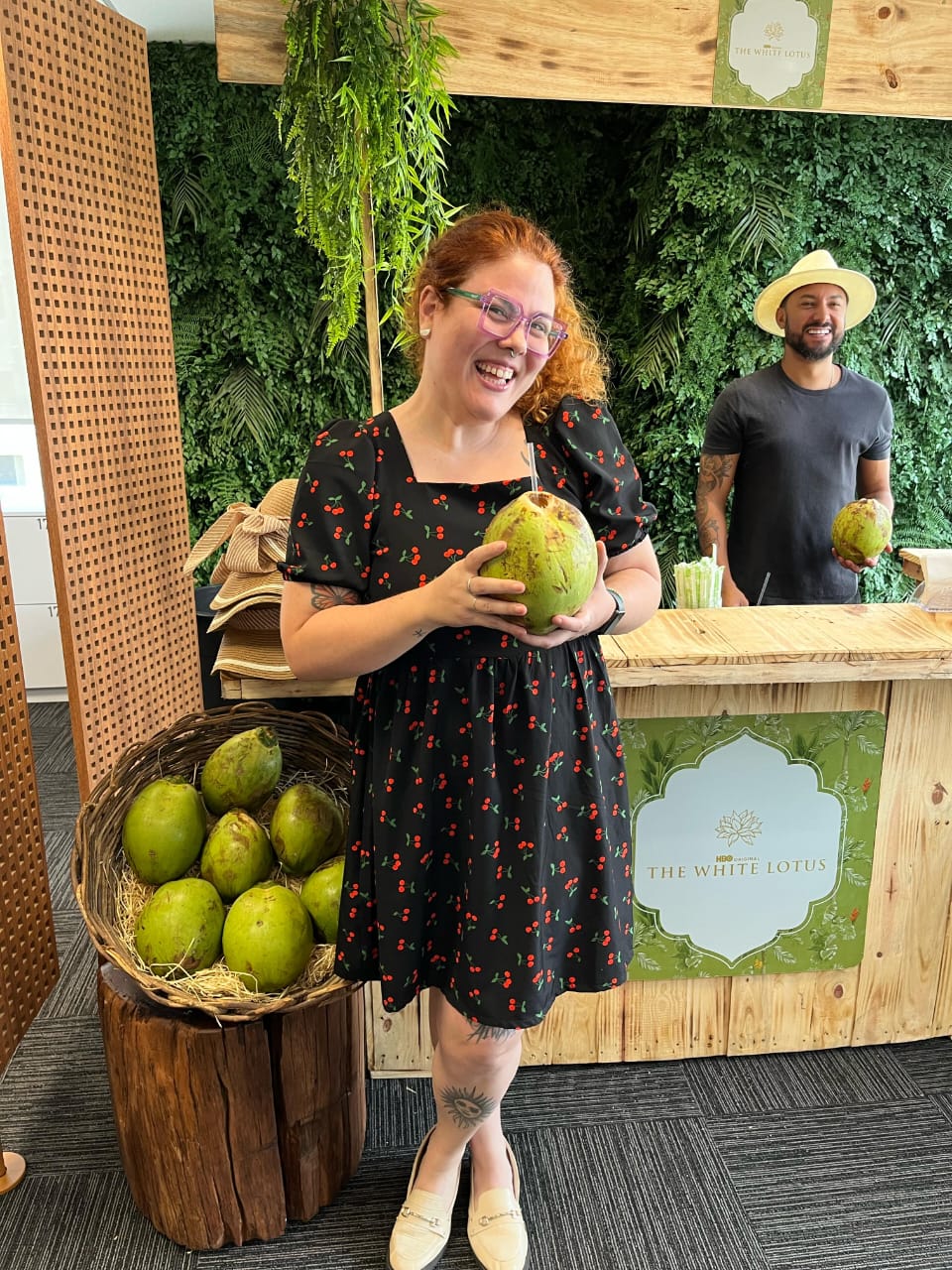
As a Human Resources professional for over 15 years and a person with ADHD, I have been able to identify a series of possibilities throughout my career that have helped me to develop and feel included, as well as other colleagues who are also neurodiverse.
Below I list some ways to support and empower neurodiverse people at work:
1- I believe that the starting point for encouraging these conditions is to first understand that, even if a person has a diagnosis, they are not limited to it or the characteristics expected of them. Remember that, in addition to a neurodiverse condition, we are also made up of our personality, personal values, the socio-economic context in which we are inserted, etc.
2- Being open to new perspectives and new ways of looking at the same situation favours the environment in which a neurodiverse person feels comfortable contributing their ideas and knowledge. Therefore, active listening and a genuine interest in challenging what is standard can be beneficial to both the company and its employees.
3- Respecting limitations and praising the potential that each person has is fundamental to creating a welcoming environment that values the singularities of everyone.
4- Establishing clear, assertive communication that also allows each employee to be listen actively is essential to avoid adverse situations and facilitate understanding of what is expected of each person.
5- Finally, but not limited to these topics, it is of the utmost importance that companies commit to disseminating information about neurodiversity - whether through conversations or training sessions, for example - so that everyone is able to deal with neurodiverse people in the best possible way.”