
Tackling Loneliness and Social Isolation for LGBTQ+ People Over 50
November 8, 2021Opening Doors London (ODL) is one of the leading UK charities offering vital services to LGBTQ+ people over 50. This is a group of people often ignored by mainstream services with unique needs and ODL act as a vital lifeline combatting social isolation and loneliness. Zoe Schulz, Head of Content at myGwork spoke to them about their incredible work as well as the need for LGBTQ+ inclusive care homes and the disproportionate impact of the pandemic.
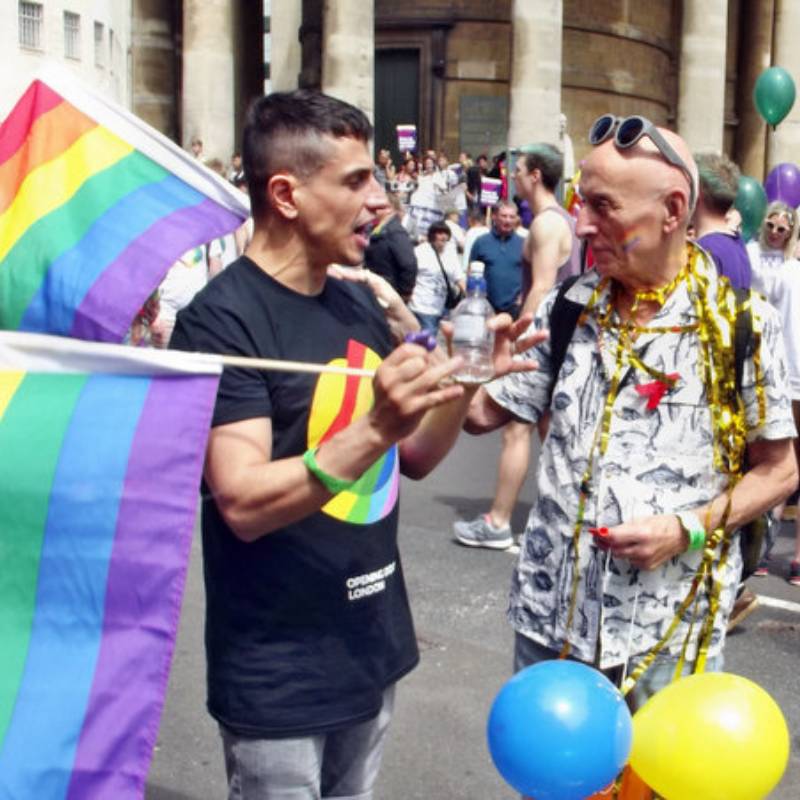
Thanks for chatting with us! We would love to learn more about Opening Doors London – can you tell us more about the charity?
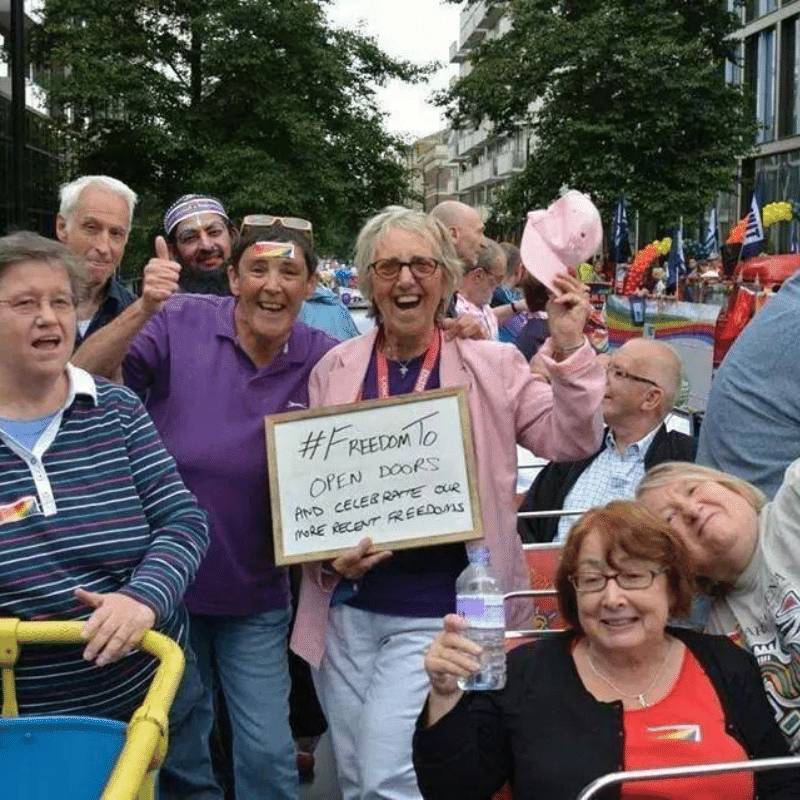
Opening Doors London is the largest UK charity providing activities, events, information and support services specifically for lesbian, gay, bisexual, trans, queer, non-binary or gender fluid (LGBTQ+) people over 50.
We are a membership organization providing regular social opportunities and events to help develop networks, communities and create friendships for LGBTQ+ people, aged over 50.
We also provide affordable training for the health and social care sector through our Pride In Care initiative offer training to health, housing and social care organizations about the needs of LGBTQ+ people over 50 and produce research about these communities to influence policy. We have worked across some English regions for some time but are now formalizing that growth to help support more LGBTQ+ people over 50 experiencing social isolation and loneliness.
And how did Opening Doors London first start?
The Opening Doors initiative began following a telephone call from an older gay man who was a carer for his partner of 33 years. The experience of having a social worker tell him that “the council did help carers, but couldn’t help him, because they only worked with normal people like husbands and wives” then led him to contact Age Concern Camden.
All he wanted was to talk to another gay man who would understand what he was going through. At that time there was no specific service for older LGBTQ+ people, so Opening Doors London was formed in 2008 within Age Concern Camden, with just one group for gay men, quickly followed by a women’s group and from there we began to slowly grow, offering more services, including befriending.
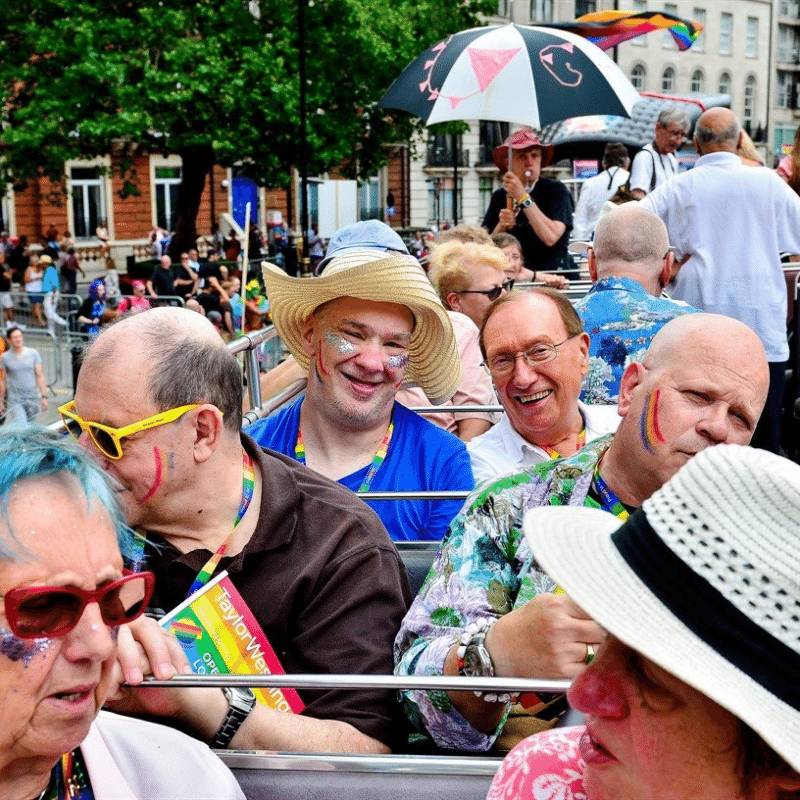
Now, we’ve become an independent charity hosting up to 35 events, groups and activities each month in London for LGBTQ+ people aged over 50 with some of those services available for LGBTQ+ people over 50 from other regions across England.
What are some of the programs that you run?
We offer social groups (online and in-person) for LGBTQ+ people over 50 to connect, have fun and develop friendships. Some of these groups, such as Friday Social and Sunday Lunch Club, are open to all members and some are focused on specific communities such as our Trans and Non-binary+ group, Bi the Way and we work with people from BAME/PoC communities.
We also offer 3 groups focused on people diagnosed with dementia and their carers: Speak Out with Dementia, Rainbow Memory Café and Rainbow Carers.
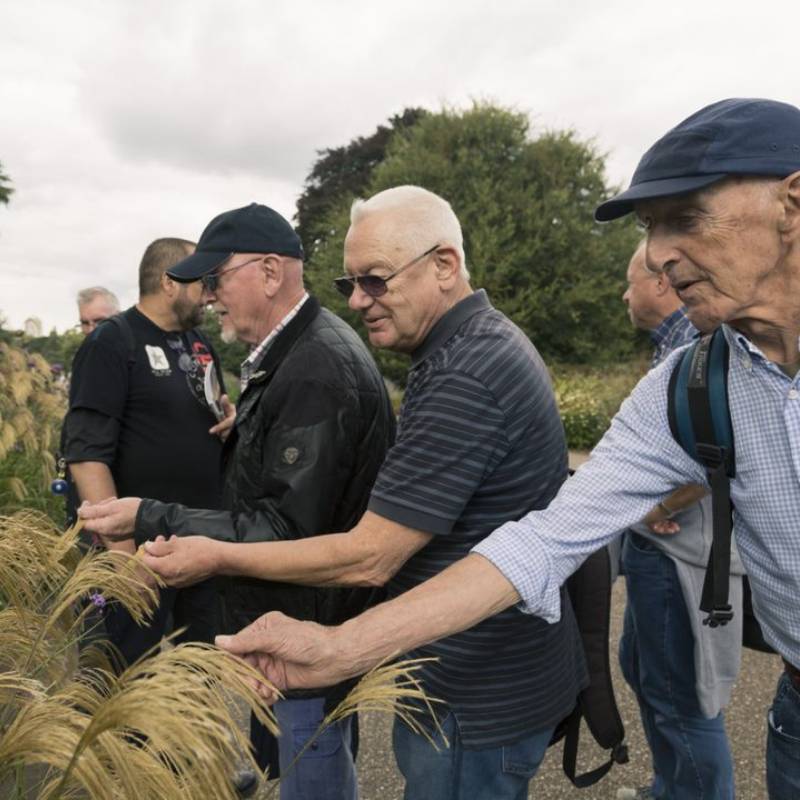
During the lockdown, we moved all our groups online, but when the restrictions were lifted, we brought back some groups to in-person and are now able to offer more social activities in London every month and additional one-offs. They vary from film screenings, trips to Kew
Garden, art classes, walks, museum visits and much more.
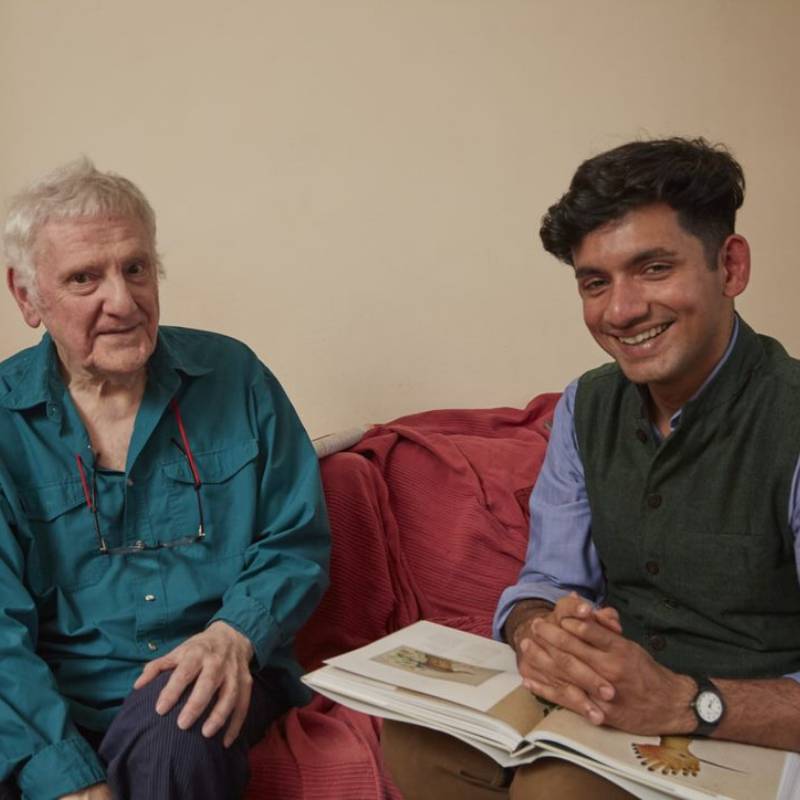
We also offer a befriending and tele-friending service when our members have the chance to connect with a like-minded volunteer, make new friends and feel a part of the LGBTQ+ community.
What are some of the ways you offer support?
We support LGBTQ+ people over 50 by offering regular social opportunities for them to connect with each other and have a link with their community. We also support them through our regular groups focused on specific communities such as dementia support, the Bi community, BAME/PoC and Trans and Non-Binary+.
In these groups, our members have a chance to meet regularly, discuss important topics for their communities, make new friends and find a sense of belonging. To our most isolated members, we offer a befriending and tele-friending service, where our members are matched with a like-minded volunteer to meet face-to-face or have a friendly call once a week.
We also offer training to organizations in the health, housing and social care sectors so they can better understand the needs of LGBTQ+ people and make the necessary changes to better care for them.
Do you have any examples of people you have helped?
Through our social activities and tele-friending/befriending service, we support our members in feeling less isolated from their communities and engaging with life again.
This quote is from one of our volunteers who supported Anthony*, one of our members: “Anthony told me all about his time at the Friday morning social and how much he enjoyed it. He was invited to another coffee morning this morning by people he met on Friday which he went to today. He told me all the stories they discussed, nightlife and old haunts in London. Anthony even went to Soho on Friday after the meeting on his own for a coffee as he felt so energized- this is wonderful news as Anthony's confidence has grown so much!
For some of our members, the call they get from their volunteers is their only social interaction in the week. One of our members told us how they feel about getting the call:
"I can't thank you enough. These calls mean so much to me. I have just two people calling: James* and victim support and it changed my life. It is absolutely wonderful, the call on a Monday took me out of myself and just talking over the phone and the difference it made to me and my head makes a huge difference. Matty* has been amazing and feels like he is one of my family members, so thank you from the bottom of my heart."
We also spoke with one of our members who attend the Sunday Lunch and Film Club, a group that has been going on for many years at Henderson Court in Hampstead. This is an opportunity for our members to catch up with old friends, make new ones and enjoy some
delicious food together:
"I have been attending the Henderson Court Community lunch for about 2 years. I look forward to this event and missed it when the lockdown occurred. I’m delighted that it has commenced again. The volunteers are amazing, patient and friendly. I can't speak highly
enough. The food is also delicious, and the socializing and camaraderie is so important and lovely. Long may the Henderson Court lunch continue. Many thanks to everyone who made this event happen."
Do you think there is anything currently misunderstood about the needs of LGBTQ+ people over 50?
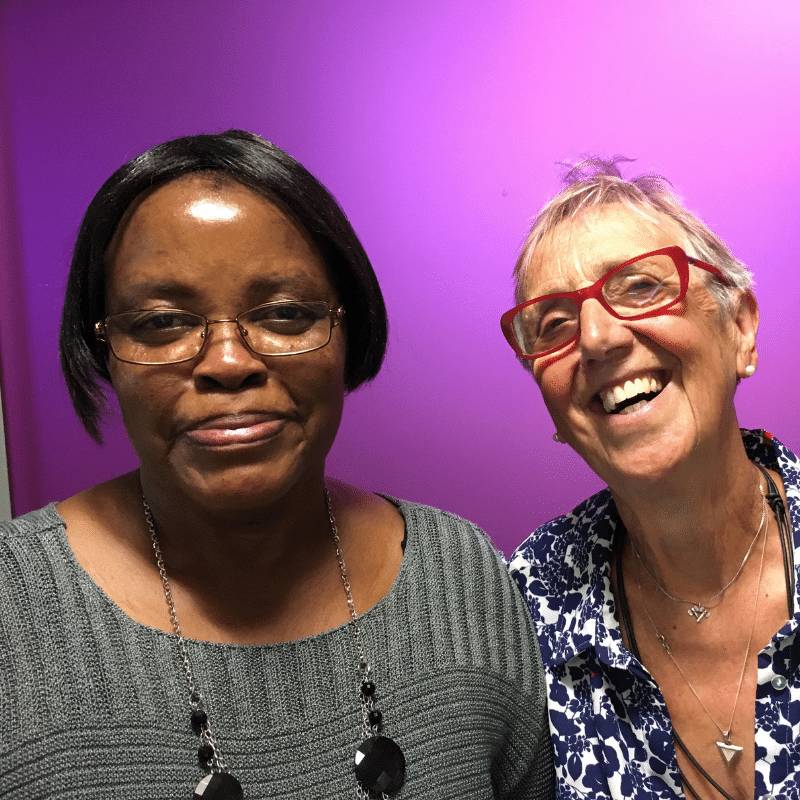
There is a lack of understanding that LGBTQ+ people over 50 have specific needs when it comes to housing, healthcare, social services, etc. Many of our members have experienced horrific homophobia throughout their lives and need support to be able to connect with people within the LGBTQ+ community and live rich and fulfilled lives.
Some of our members don’t feel comfortable being out to their neighbors and, apart from their contact with our services, are forced to “go back in the closet” in later life. The same is true for care homes as these communities have specific needs that need to be recognized by organizations so they can get appropriate care. That’s the aim of our Pride In Care program, where organizations can improve their quality of care and support for LGBTQ+ people in later life while challenging any poor practice they may encounter in health and social care provision.
These communities were also disproportionately affected by Covid-19 as our research from last year showed. Professor Ben Thomas, our Research and Policy Offer, explains, “Covid-19 and lockdown have disproportionately increased psychological distress and other vulnerabilities among many older LGBT+ people. Many have been forgotten or overlooked. It’s time statutory services and local communities stepped up to meet their needs, and provide care and support, connection and interaction.”
Why is it important that we have LGBTQ+-specific services in this area?
LGBTQ+ people over 50 are more likely to be single and live alone. They are much less likely to have support from children or extended family and many experience loneliness and social isolation. These are not universal experiences among older LGBTQ+ people, the risk increases where resources for them to meet and socialize with other members of the community are not available or accessible.
For some of our members, the contact they have with other members or the interactions with their befriendee/tele-friendee is the only connection they have with the LGBTQ+ community. Some of our members, don’t feel comfortable being out in their communities due to the homophobic behavior they have encountered through their lives and their connection to Opening Doors is their link to feel connected with their sexuality.
One of our members told us how she feels about being a part of our Tele-friending program:
“I felt isolated even before lockdown, so every week when I get the calls I feel like “I am a lesbian, I am me”. Looking forward to my calls is like the feeling of getting my pocket money - I can be me again, speak my way, talk about things that interest me without being embarrassed or self-conscious.”
We also develop research to better understand the needs of LGBTQ+ people over 50 and influence policy. Last year, we published a report on the disproportionate impact of COVID- 19 on older LGBTQ+ people and this year we will publish the results of our Health and Well Being Survey, aiming to make improvements in the healthcare of LGBTQ+ people who are 50+.
What are some of the challenges of working in this area?
Our members, who are all 50+ LGBTQ+ people, can often struggle with isolation and loneliness that is a result of their gender identity or sexual orientation. They may have been shunned by friends and family for who they are, have lost peers and loved ones to AIDS or may not even be out to those in their social circles.
Historical prejudices, such as, Section 28, homosexuality not being decriminalized until 1967 and generally negative attitudes to those who are different, may also lead to serious levels of shame and mental health struggles within our membership.
Our main job is to tackle that loneliness directly with the help of volunteers who either visit or ring our members to provide a friendly chat and a catch-up. Challenges with this come from making sure we match volunteers with members appropriately, so they have shared hobbies, interests and life experiences, which when we get it right can lead to lovely, positive relationships.
We also find ourselves supporting our members as they cope with the more difficult aspects of life, including physical and mental health struggles, coming out later in life and so much more. As we are not trained mental health specialists or therapists, we provide somewhere where they can share how they are feeling without judgement and then support them in seeking the additional care they need, usually through referrals to other care organizations or charities.
How do people in need access your services?
Anyone who identifies as LGBTQ+ and is over 50 can register as a member for free online or they can call us to register – we recognize that for many people digital exclusion is a big factor in their lives that prevents them from accessing everything in a digital world.
Once registered as a member, they can join our activities and specific groups for their communities - all are free to access - and also be eligible for our befriending and tele-friending service. As we offer a range of activities online and in-person, members can choose what they feel most comfortable with and how they would like to connect with others.
Members receive monthly updates by email or post detailing everything on offer, invites to one-off events and other activities and groups.
How can people and organizations support and get involved with your work?
We appreciate the support from our communities through donations so we can keep providing vital support to LGBTQ+ people over 50. You could consider doing a fundraising challenge; in the last couple of months, we’ve had people walking the length of Hadrian’s Wall, swimming a mile around the Serpentine and climbing Snowdonia all to help LGBTQ+ people over 50!
If you'd like to do a challenge to fundraise for us, you don’t have to do anything physical – you could do a bake sale or a quiz where people pay for entry, or dye or shave your hair! We have a few ideas to get you going on our fundraising page. If you want to talk to someone in the Fundraising Team about your idea you can email us at [email protected].
If you are an individual or organisation within the health, housing and social care sector, you can also take part in our training.
At the moment, we are at full capacity with new volunteers, but we’re accepting new applications for specific roles as well as BAME/PoC and Trans volunteers, as these communities are currently underrepresented in our volunteer base. People can follow us on Facebook, Instagram and Twitter and check what we’re up to.
*Some names have been changed.