
Tens of thousands defy Hungary’s ban on Pride in protest against Orbán
June 30, 2025Thousands gathered in Budapest to defy the Hungarian government’s Pride ban, heeding the mayor's call to “come calmly and boldly to stand together for freedom, dignity, and equal rights.” Jubilant crowds filled the streets on Saturday, waving Pride flags and signs mocking Prime Minister Viktor Orbán as the peaceful procession moved slowly.
According to ‘The Guardian’, organisers estimated a record attendance, far surpassing the anticipated 35,000-40,000. “We believe there are 180,000 to 200,000 people attending,” Pride president Viktória Radványi told AFP. “It's hard to estimate because there have never been so many people at Budapest Pride.”
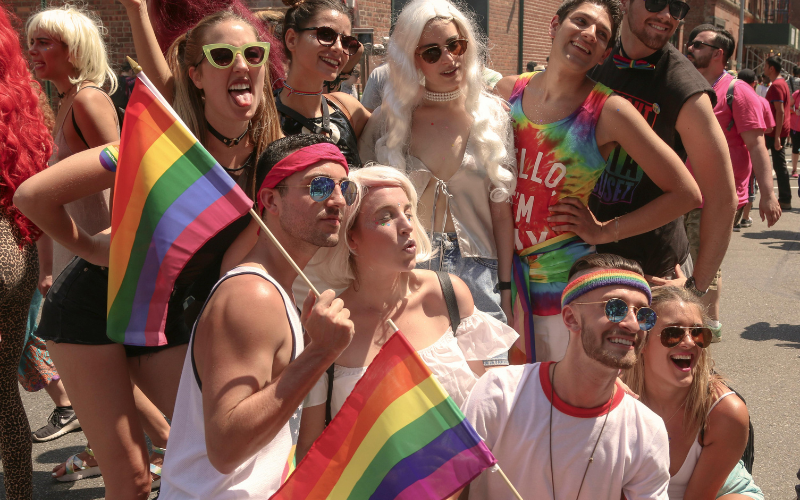
The demonstration marked a bittersweet 30th anniversary for Budapest Pride, occurring after the government intensified its targeting of the LGBTQ+ community. “We came because they tried to ban it,” said Timi, 49, marching with her daughter Zsófi, 23, who traveled from Barcelona to participate.
In response to the ruling Fidesz party’s law criminalising events depicting or promoting homosexuality to minors, many Hungarians, including Viki Márton with her nine-year-old daughter, vowed to attend Pride as a form of protest. “I want her to see the reality,” said Márton, concerned more about the heat than protesters. “And I’m so excited to be here!”
Police had announced plans to enforce the ban, but Budapest’s mayor, Gergely Karácsony, declared the march would proceed as a municipal event, circumventing the need for official authorisation. On Saturday, he emphasised the march’s symbolism against a government criticised for undermining democratic institutions. “This time, it is sexual minorities that are the target…we believe there should be no first- and second-class citizens, so we decided to stand by this event.”
Akos Horvath, 18, traveled from southern Hungary, describing the event's “symbolic importance.” “It’s not just about representing gay people, but standing up for the rights of the Hungarian people,” he told AFP. Eszter Rein-Bódi echoed, saying to Reuters, “This is about much more, not just about homosexuality. This is the last moment to stand up for our rights.”
Despite Orbán's warning of “legal consequences,” tens of thousands, including seniors, families, politicians, and campaigners from 30 countries, marched on Saturday. Orbán minimized fears of violence, labelling Hungary a “civilized country,” yet Justice Minister Bence Tuzson warned of imprisonment for organising or encouraging banned events. On Friday, the mayor dismissed these threats, emphasising police duty to ensure safety at the event.
Concerns of violence rose when right-wing groups planned counter-marches. Telex reported a route change after a group blocked a bridge. Analysts viewed the Pride crackdown as part of an effort to curb democratic freedoms before the next national election. Facing a challenge from former Fidesz member Péter Magyar, Pride organisers suggested Pride was scapegoated as Orbán sought support from conservative voters.
The government sparked further concern by planning to use facial recognition to identify attendees at banned events, potentially fining them up to €500 (approximately £426). AFP noted new cameras on the march route's lamp-posts, causing anxiety for some participants.
Elton, 30, a Brazilian in Hungary, wore a hat and sunglasses, worried about his job and immigration status. “This is my second time at Pride, but the first time I feel insecure about it,” he said, attending after encouragement from his Hungarian boyfriend.
Mici, 21, considered skipping the event due to facial recognition rumours but felt secure among the crowd. She hoped the turnout would encourage the Orbán government to reconsider its position. “I think the crowd from across Europe, the record numbers, will make Hungarian people see that this cause is well-supported.”