Thailand’s first openly gay senator highlights global impact of marriage equality at WorldPride
August 20, 2026Thailand’s first openly gay senator, Pornchai Witayalerdpan, says the country’s new marriage equality law has significantly strengthened its international reputation and regional influence on LGBTQ+ rights.
Speaking with the Washington Blade on 7 August at the WorldPride Human Rights Conference in Amsterdam, Pornchai described how full marriage rights for same-sex couples have reshaped global perceptions of Thailand.
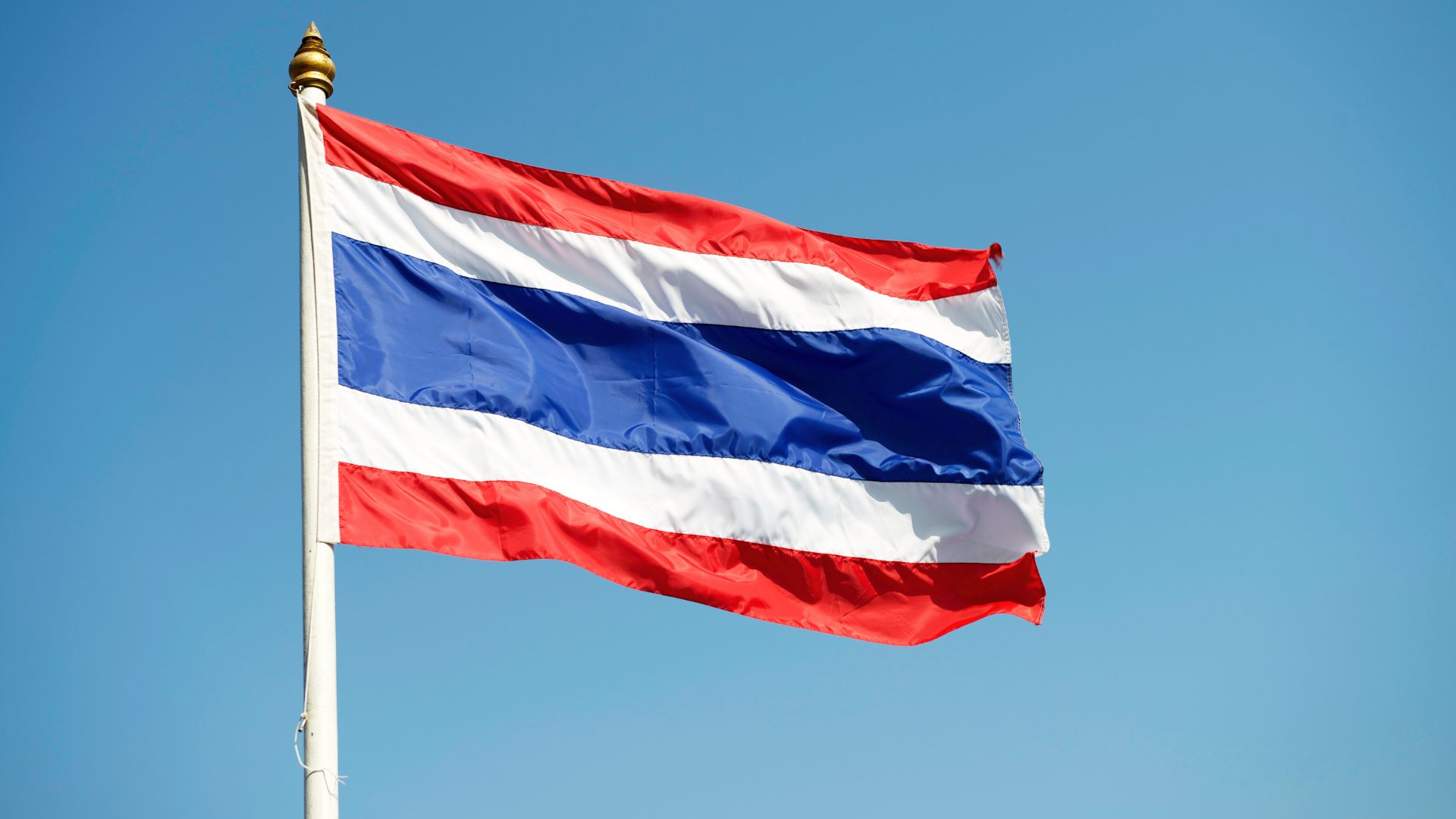
Thailand became the first country in Southeast Asia to legalize same-sex marriage when the law took effect on 23 January 2025. The reform followed final approval of a marriage equality bill in June 2024, when the Senate passed the measure by 152 votes to 130. King Maha Vajiralongkorn later signed the legislation, which had backing from then-Prime Minister Paetongtarn Shinawatra.
Before joining the Senate in July 2024 as an independent, Pornchai worked as a freelance interpreter. He credits years of coordinated advocacy for the breakthrough, beginning with a legal challenge brought by the Foundation for Sexual Orientation and Gender Identity Rights and Justice.
In 2021, Thailand’s Constitutional Court upheld a definition of marriage as between a man and a woman. Momentum then shifted when MP Tunyawaj Kamolwongwat of the Move Forward Party introduced the marriage equality bill that ultimately became law.
“It was a coalition of efforts between civil society organizations, LGBTQ organizations, and the Pride movement in Thailand,” Pornchai said.
Across Asia, the regional landscape continues to evolve. Taiwan extended marriage rights to same-sex couples in 2019. Nepal’s Supreme Court issued a landmark ruling in June directing the government to guarantee full marriage rights to same-sex couples. Japan’s Supreme Court agreed in March to hear six marriage equality cases, while South Korea and other countries see growing campaigns for legal recognition. India’s Supreme Court declined to extend marriage rights in 2023, yet public debate there continues.
Pornchai believes Thailand’s reform carries particular weight for Japan, currently the only G7 country without legal recognition for same-sex couples. He described the domestic impact of the law as wholly positive since implementation.
InterPride has named Bangkok and Barcelona as the two finalists to host WorldPride 2030. Pornchai said a WorldPride in Bangkok would further enhance Thailand’s global standing and boost support for broader LGBTQ+ legislation at home.
He is urging fellow lawmakers to advance several key bills:
- Legal gender and name recognition for transgender people
- Access for same-sex couples to family formation through surrogacy and in vitro fertilization
- Stronger enforcement and expansion of Thailand’s LGBTQ-inclusive anti-discrimination law, in effect since 2015, which he describes as his top priority
Global activism and the impact of U.S. funding cuts
Pornchai also addressed the shifting landscape of international funding for LGBTQ+ advocacy. He acknowledged that cuts in U.S. government support since the Trump–Vance administration took office have forced some organizations in Asia and beyond to close, placing pressure on local movements.
He noted, however, that the European Union, the U.K., Canada, and the Netherlands have stepped up financial support for activists in Asia, with clear diplomatic benefits for those countries.
“It’s very good that these countries are providing more funds to the activists in Asia than before because of the Trump situation,” he said, adding that such engagement strengthens their soft power.
Turning to the United States, Pornchai encouraged activists to continue mobilizing, especially around access to gender-affirming healthcare. A federal court in Massachusetts on 15 August struck down a key provision of a U.S. Department of Health and Human Services rule that would have restricted gender-affirming care under the Affordable Care Act. Maryland, California, and 19 other states brought the challenge against the Trump–Vance administration.
Pornchai urged campaigners to aim for positive outcomes in the midterm elections and to maintain pressure on restrictive policies. “You have to show more resistance … to show that we are still here and we will push back when we can,” he said.
Why this matters for the workplace
Thailand’s progress on marriage equality and broader LGBTQ+ protections signals a clear direction for businesses operating in the region and globally. Inclusive laws create conditions for safer, more confident employees, support talent attraction from diverse communities, and reduce legal and reputational risk for employers with international workforces.
Companies that align their workplace policies with evolving LGBTQ+ standards, from equal benefits for same-sex spouses to gender-affirming healthcare coverage and robust anti-discrimination measures, are better positioned to recruit and retain high-caliber staff, including in competitive markets like Bangkok, Tokyo, and beyond.
Organizations seeking to build inclusive, LGBTQ+ supportive workplaces can deepen their engagement by connecting with professional networks that prioritize equality. Business leaders and employees can explore opportunities, best practices, and talent pipelines by signing up for myGwork, the global LGBTQ+ business community platform.
Interested in becoming a corporate member? Click here for more info.