
The Painful Realities of Being Muslim and LGBTQ+
April 20, 2023myGwork's event shared the stories and experiences of LGBTQ+ people who are Muslim, or of Muslim heritage or culture, during the auspicious time of Eid al-Fitr.
Warning: Be aware the video contains stories of abuse and violence.
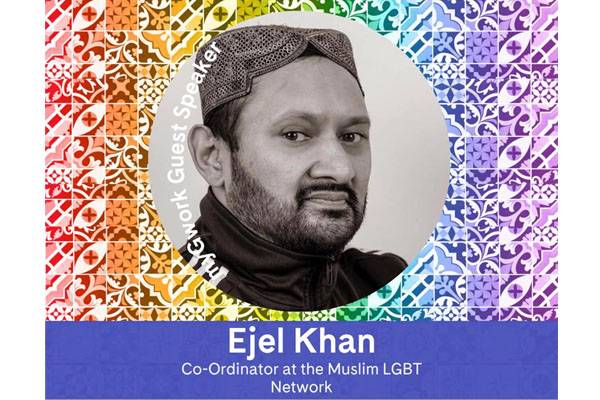
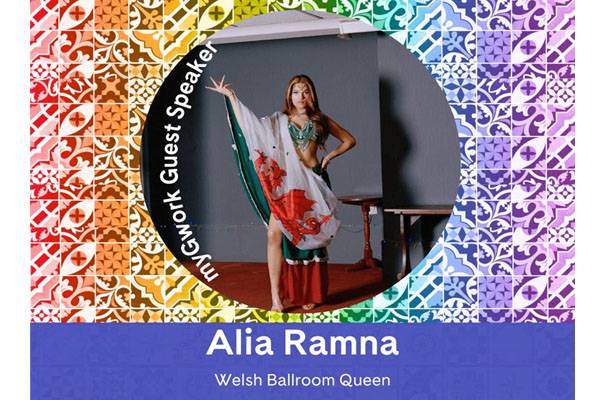
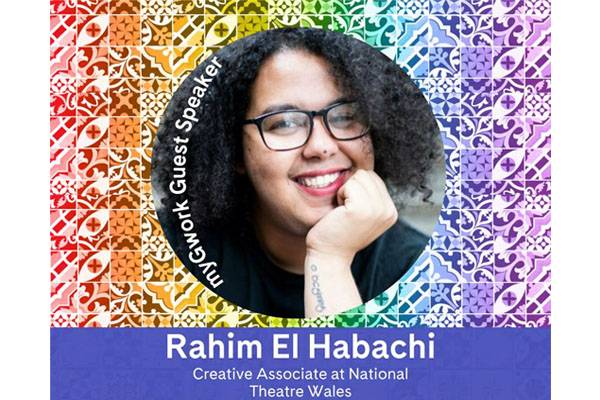
The event highlighted stories of pain, resilience, and strength, thanks to Ejel Khan, Coordinator at the Muslim LGBT Network, Alia Ramna, the Welsh Ballroom Queen, Laila El-Metoui, Equity Educator at LemEducation.com and founder of Queer Arabs, Rahim El Habachi, Creative Associate at National Theatre Wales, and Osman, who is Outreach at Hidayah. Hosted by myGwork’s head of social media, George Wright, the myGwork community heard intersectional stories of what it means to be both LGBTQ+ and Muslim.
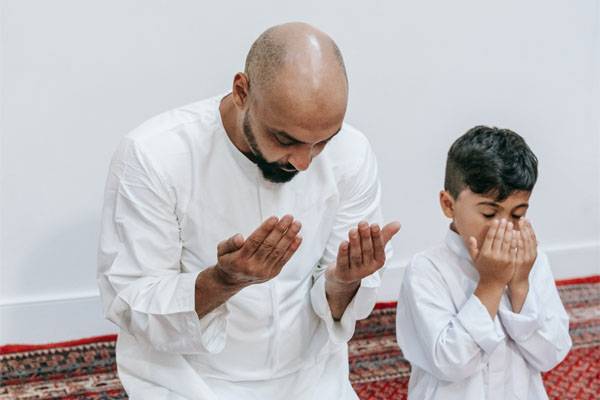
One of the themes tackled by the panel included just how diverse the Muslim world is and misrepresentation of the community. Like Christianity, there are many different variations, schools of thought and strands of Islam within the Muslim faith, from people of differing cultures from the Middle East and North Africa to South and East Asia. “If you think about the Arab world alone, we’re 26 countries with 411 million people, yet we're being marginalized despite being part of a global majority,” highlighted Laila. She also shared how the Muslim community is often misrepresented in the media.
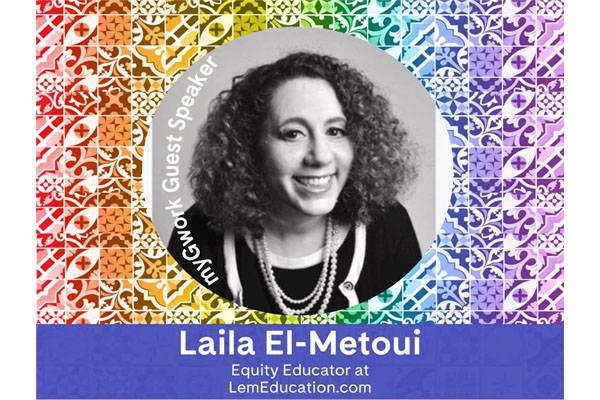
As well as the huge diversity of Islam, the panelists (representing both Arab and South Asian perspectives) shared why many LGBTQ+ Muslims are ostracized by their family members and people in their community, and the impact of this on their faith. For many on the panel, Islam is not just a religion but a way of life. “For me, as a Muslim, our gender and sexuality does not prevent us from living a Halal Muslim lifestyle,” explained Osman. “Rather, it's our culture around organized religion that poses a problem.”
Despite most of her family accepting and embracing her LGBTQ+ identity, Laila’s negative experience with Islam saw her leaving the faith: “I explored a range of other religions and found that Buddhism was better for me. If I had access to places like the Inclusive Mosque Initiative, which we have in London now, or places that respected women and queer LGBTQ+ people, maybe I wouldn't have left the faith.”
The panel also highlighted the additional violence and abuse that many in the Muslim LGBTQ+ community face as a result of their intersectional identity. Osman cited stark statistics from a recent UK Black Pride report, noting that “64% of LGBTQ+ Muslims said that they would not feel safe walking down a street holding their partner's hand. Another 70% said they avoid certain streets because of feeling unsafe and 55% adjust the way they dress in public. More specifically, 78% of Muslim Pakistani people said they would avoid certain streets because they did not feel safe.”
“This is really shocking because this report came out last year, not 20 years ago. This suggests that public Islamophobia and hostility remains high for people perceived to be Muslim,” said Osman. This led to a conversation about the horrific violence that Muslim LGBTQ+ people often face not only from the community they lived in, but within the walls of their own homes, often at the hands of close family members; and the desperate need for safe spaces.
Both Ejel and Alia courageously shared their painful stories of growing up as South Asian and Muslim LGBTQ+ people in the UK. Ejel, who’s from a Bangladeshi background, spoke about how he grew up in abject poverty in Luton, the impact of that, and how he got beaten up both by children at school – as well as at home – simply for being different: “I've been attacked on a number of occasions and once was beaten up so severely that I nearly died.”
Alia also talked about the violence she suffered, and how she was almost killed by her own father – twice – because he did not want to be publicly disgraced for having a gay and trans child. She shared her harrowing childhood and teenage experiences of wanting to transition and the violence she suffered at the hands of her family, along with painful conversion therapy, which saw her taken away from her family and friends and put into foster care, far away from everything and everyone she knew. Alia shared how she continued to face abuse while she was in care in Wales by people around her and her family who tracked her down.
She highlighted the pain, suffering, violence, and honor-based killings that many young people in her community endure simply for wanting to transition. “Thousands and thousands of honor-based violence killings happen every month. In fact, over 5,000 happen every single year in the UK alone. So I don't even want to think about what happens in Pakistan, and other countries,” she highlighted in tears. Her traumatic experience, which resulted in emotional and physical scars, left most of the panel and many in the audience in tears.
Osman also shared how stories like Alia’s are not uncommon in the UK. “These stories are real… these things are happening. So if you know someone who is struggling, please get in touch with organizations like Hidhaya, because there are people out there that can support you.”
Despite the tears and sadness shared during the event, Rahim pointed out that the Muslim community is a happy and joyful one. “We preach joy before we talk about sadness. We share our stories, not because we are victims, but because we want to remind you how resilient and how strong we are, so that others can learn from our experiences and we can make it better for future generations.”
To continue to listen to the conversation, watch the video above.