
The Pandemic and Music: Will the Industry Be Changed Forever?
May 21, 2021
The current Covid-19 pandemic has dramatically impacted the creative industries, music included. We have seen some major 2020 album releases being cancelled or pushed - Lady Gaga’s Chromatica being the bigger example. This was the outcome of a lot of confusion regarding the future at the start of last year. It has now been over a year since the first lockdown; how has Covid-19 impacted the music industry and what can we predict about the long-term mark it will leave to artists and listeners?
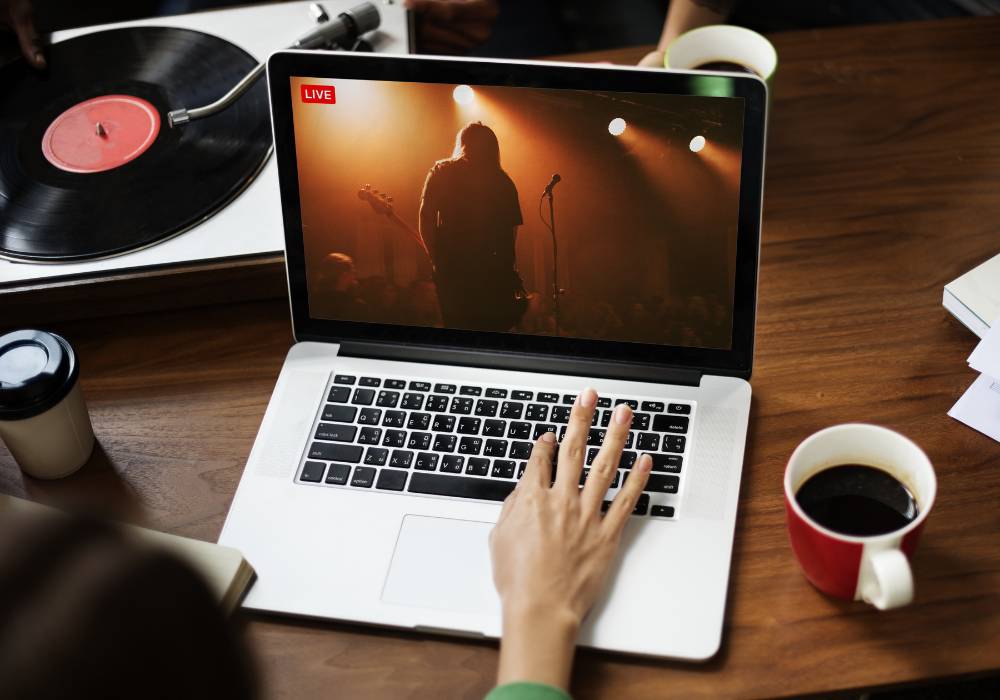
Over the past year, the way we consume music has experienced a huge shift. Live music having been paused since March 2020, the public has had to replace their habits. A lot of artists tried to be creative about their way to keep their fans entertained. The first major trend was the rise of live streaming showcases from home. That format was formerly free and on Instagram lives, leading to artists gradually upgrading their setup to be able to charge money for their performance. A few big names used live streams as a way to keep on delivering quality content, reaching a big and international audience. Ashnikko, for instance, organised a highly produced staged performance for the release of her mixtape DEMIDEVIL at the end of April 2021. This is because the bigger the artist is, the longer they’ll have to wait to be able to perform due to the social distancing and nationwide rules regarding indoor public events. Large-scale tours also require a substantial amount of planning and big venues are often booked about a year in advance. Big 2020 concerts had no choice but to be pushed to 2021. And now it’s likely most of them will take place in 2022, if not 2023. However, live streaming, on top of lacking the effervescence and energy of real-life concerts, requires access to technology and a good internet connection. This contributed to the decrease of those bedroom showcases, leaving the public to actively wait for smaller gigs to start again.
The pandemic also had an impact on music recording. A lot of sources of income were suspended: live music – which, according to UK Music has made a profit of £1.1 billion in 2018 - being the first one, but record shops were also closed for a long period and merchandising wasn’t being sold at gigs. The funds for new recordings consequently dropped last year, making it harder to support the recording and release of new music. Recording also involves all musicians being together, surrounded by their production team. The Covid-19 restrictions have stopped everyone from getting together, especially in the case of international teams – is that why Lorde took so long to bring her producer Jack Antonoff to New Zealand for her third album?
For those whose music has been able to be recorded, the situation has made it a lot more difficult to define strategies in terms of releasing music. Without festivals, discovering new and upcoming artists has been a lot more different. There is no “small exciting band on the side stage” situation anymore – at least not until the end of June – and artists have to find ways to break through while music consumption has faced a massive change. Marketing has had to almost completely set aside the physical aspect of it with no record stores, and fewer people in the streets. Streaming, while already prominent before the pandemic is now almost exclusively the only way people consume new music. Social media is then the best tool for small artists to get discovered. With the rise of TikTok during the pandemic, viral songs on the app have essentially been covering the top of the charts for the past few months. This is encouraging artists to released singles, making the death of album culture even quicker than pre-pandemic. On the bright side, social media – especially TikTok - has been an excellent platform for LGBTQI+ artists to connect with the community and gain exposure for their art, helping queer music to breakthrough during the pandemic.
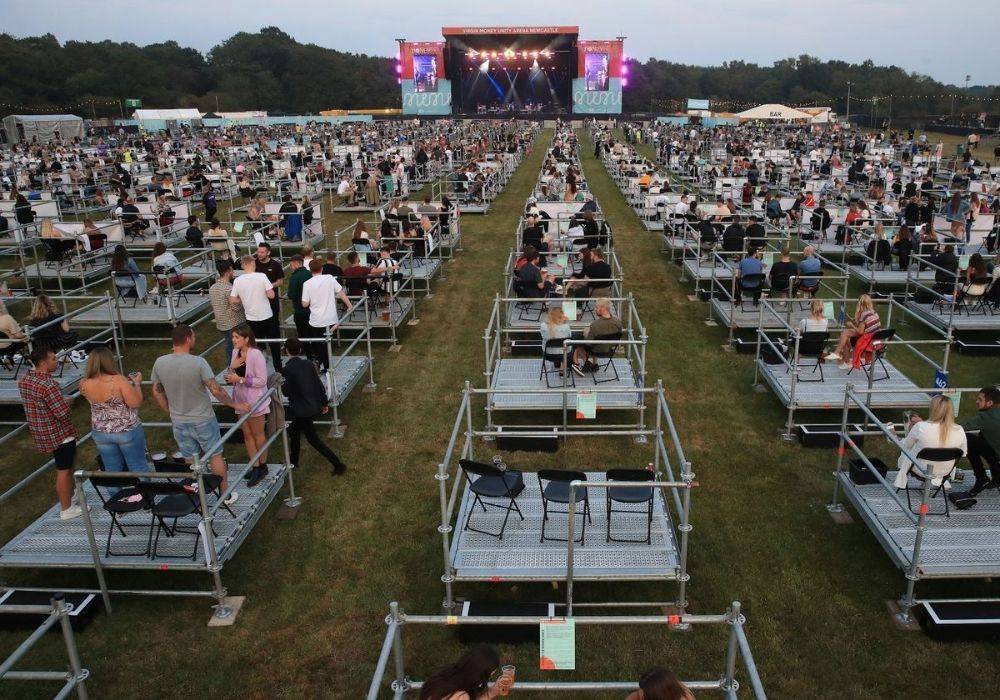
Virgin Money's Socially Distanced Show, Newcastle England, August 2020
The music industry might have seen itself stopped in some ways, but artists have been as innovative as ever, adapting quickly and changing the shape of their sector. The future of music is still uncertain. While social distanced gigs in pubs have been back for a couple of days, will they get the success they were expected to get, bringing the music industry back to its original state, or have people been used to the new ways of music consumption at home? With nearly the entirety of this summer’s UK festivals being sold out – if the restrictions don’t change until then - it seems like the excitement and the need to make up for a year’s worth of live music will lift music back to where it was left at the start of 2020.