
The rising importance of intersectionality in Employee Resource Groups
February 6, 2026In recent years, Employee Resource Groups (ERGs) have become vital platforms for advancing diversity, equity, and inclusion. As workplaces grow more diverse, understanding and applying intersectionality has become crucial for ERGs to effectively serve all members.
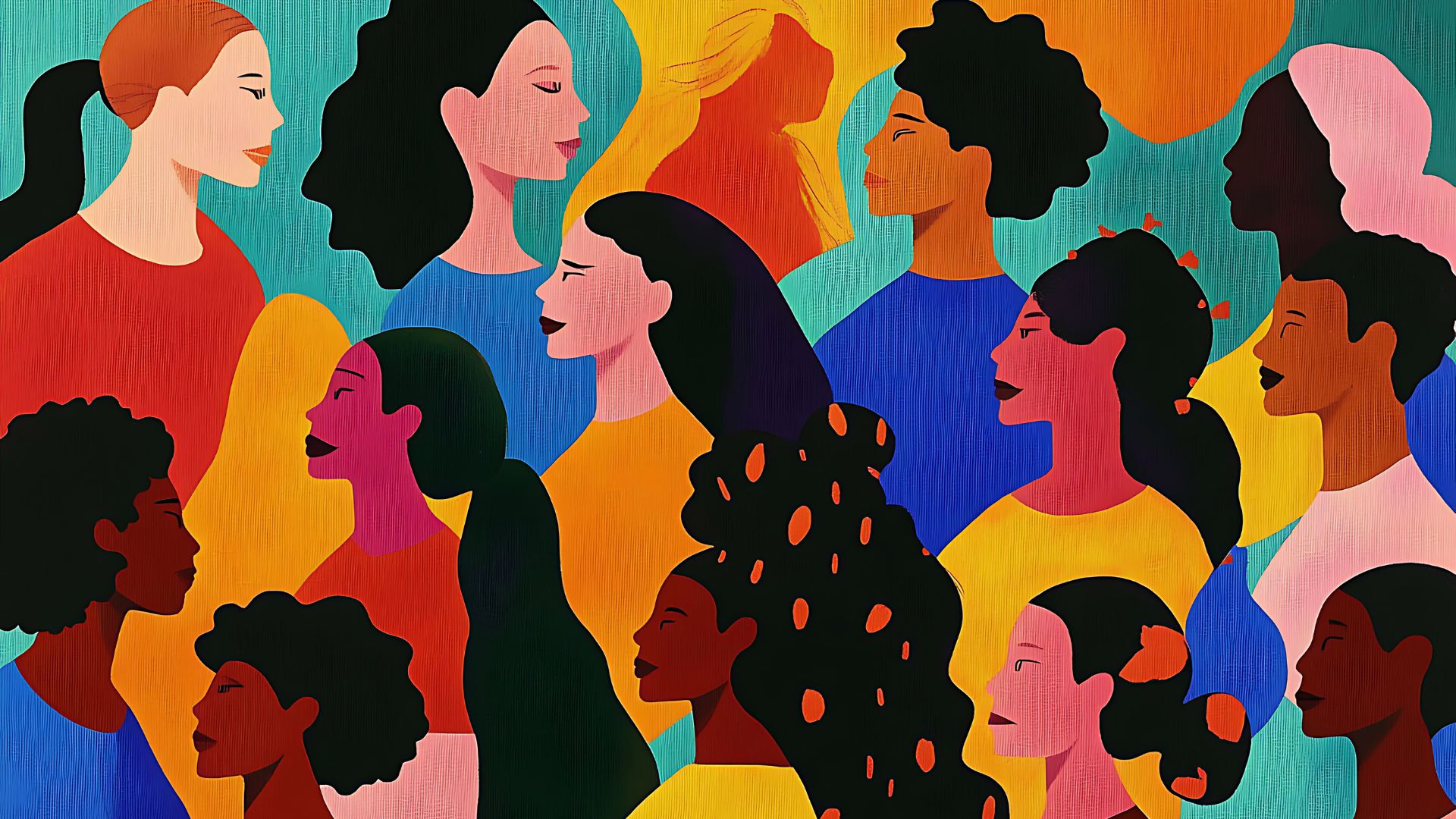
Intersectionality, introduced by Kimberlé Crenshaw, emphasizes that people often hold multiple social identities - such as race, gender, sexuality, and disability - that intersect to create unique experiences of privilege and discrimination. Within ERGs, this approach helps recognize that members’ experiences are complex and layered. For example, Black women or LGBTQ+ members with disabilities face challenges that are different from those of single-identity groups, requiring tailored programs to address these nuanced issues.
According to Race Equality Matters, data reveals that 44% of people say their company’s hiring practices do not reflect an understanding of intersectionality. This indicates that the journey to normalizing truly intersectional workplace cultures is ongoing. Here are some tips to help you along that journey.
Why Intersectionality Matters in ERGs
Organizations are increasingly realizing that siloed DEI efforts are insufficient. embracing intersectionality promotes a deeper understanding among ERG members and allies, leading to more impactful advocacy. When they recognize the complexity of identities, ERGs can develop holistic policies, awareness campaigns, and mentorship programs that are better equipped to meet diverse needs. This approach ensures that no group’s experience is overlooked, creating a more inclusive environment.
Encouraging Collaboration Among ERGs
Effective collaboration among ERGs is vital because identities often overlap across different groups. Designing cross-ERG teams and joint initiatives - such as panels, workshops, or community projects - helps build understanding and solidarity. Sharing goals and resources also increases impact, while regular communication channels allow ongoing dialogue around common challenges and opportunities.
Leadership support that includes diverse participation further strengthens these collaborations. Additionally, sharing data about member experiences can reveal intersectional challenges, enabling ERGs to develop more targeted and innovative solutions.
Benefits of Intersectional Collaboration
When ERGs work together with an intersectional perspective, they build an inclusive culture that actively addresses layered discrimination. This collective effort increases their influence, leading to more creative and effective DEI initiatives, which ultimately creates a workplace where all employees feel valued and empowered.
As the understanding of identity’s complexity deepens, integrating intersectionality into ERG efforts becomes essential. Cross-group initiatives that acknowledge intersecting identities drive more meaningful inclusivity—moving organizations toward work environments where everyone’s unique background is appreciated and embraced.
Support from myGwork
Learn how myGwork can support your ERG development, DEI strategies, employer branding, and more, by downloading the brochure below.