
The Sam Smith Backlash: Why We Must Discuss Body Shaming in the LGBTQ+ Community
February 9, 2023By Dylan Mann-Hazell, Content Writer and Marketing Intern at myGwork
Various studies in recent decades have indicated an upsurge in body image insecurity across all ages and identities. The impact of the internet and social media, changes in representation in TV and film, and a notable shift in societal priorities are all major factors that can be attributed to this particular development. However, a closer look at these studies reveals a sinister detail that can no longer be ignored – that on top of insecurities about their identity, their place in society and their social confidence, gay and bisexual men are significantly more likely to have body image issues than straight men. It’s a conversation the community has been tiptoeing around for years, and it’s time to finally acknowledge it.
The 21st century has seen remarkable progress for the LGBTQ+ community so far. There’s still a long journey ahead for true equality, but between an increase in people openly identifying as queer and the consistent expansion of authentic representation in the TV, film and music industries, it could be argued that the LGBTQ+ community is in a better place now than it has ever been in recent history. With that in mind, it is deeply concerning that much of the self-doubt, isolation and feelings of inadequacy that still plague the community are primarily inflicted and perpetuated... by other members of the community. The question is, why?
British pop singer Sam Smith is out and proud in their queerness, identifying as non-binary and genderqueer. Inevitably, this means they face an unfortunately significant level of persecution from the more conservative side of the internet. Though disappointing, this is to be expected, especially considering how the internet provides anonymity and an opportunity to discriminate without disciplinary action. Perhaps even more disheartening, though, is the behavior and response of the gay community throughout their new era of music.
On a night that should have been celebrating a milestone moment for the LGBTQ+ community, with Sam Smith and Kim Petras being the first non-binary and trans musicians to achieve a Grammy award in their category, much of the response towards the 2023 Grammy Awards was instead focused on Smith's appearance. An event full of breakthrough queer moments was ignored in favor of cruel, vindictive and unnecessary comments regarding their size. Actress and activist Jameela Jamil took to Instagram to defend Sam Smith, expressing her disappointment in the community for perpetuating these negative stereotypes.
“People were OK with Sam Smith having curves when they were singing about being sad and lonely,” wrote Jameela. “But happy, confident and thriving Sam Smith is sending people over the edge. We have known for years that there are severe body image issues in the LGBTQ+ community. And yet in 2023, people from within that very community even, jump at the chance to shame anyone who challenges the status quo. What threatens you about proof that you can be loved and love yourself without a (slightly pointless) 8-pack?”
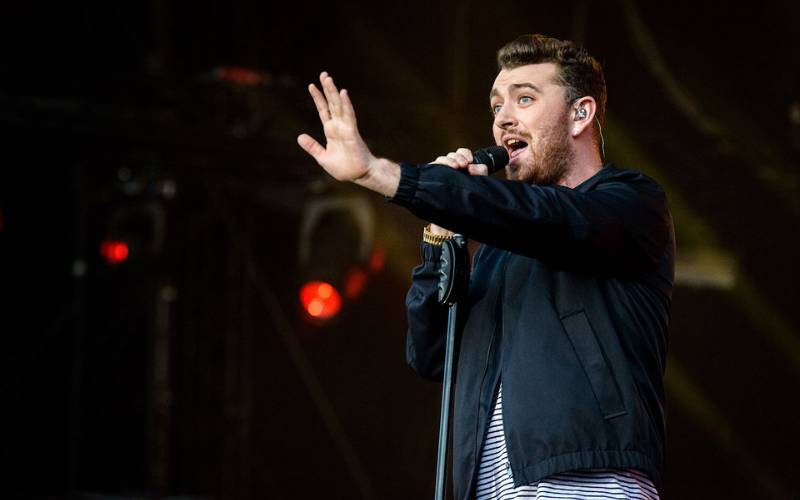
Sam Smith, 2015. Photo credit: © pitpony.photography / CC-BY-SA-3.0
Sam Smith themself opened up to The Sunday Times in an interview about their struggle with body dysmorphia and confidence issues, referencing the years of self-encouragement it took to get to where they are now. "Within my industry there is definitely that question of, 'What should a pop star look like?'' they said. "When I was 25, I came off tour exhausted. I looked to role models in the body world. Every time I went to the pool, I felt self-conscious, but I forced myself to take my top off." The singer went onto say that they feel the opposite of body dysmorphia now, confidently adding that they feel they look "fabulous".
Some theorize that this toxic frame of mind originates from the redirection of internalized insecurity and self-worth issues with regard to identifying as gay. There are various responses to the mental strain LGBTQ+ people are placed under as they come to understand their identity and realize they don’t fit in with the majority. Some deal with this development better than others, but most queer people seem to, even subconsciously, experience mental hurdles to overcome. If these internal struggles of self-worth are not acknowledged and understood, they can often manifest externally – namely, through the projection of body image insecurities.
This, combined with the impact of social media and limited visual representation, has resulted in a measure of worth being placed upon members of the gay community that almost entirely depends on physical attributes alone. Disturbingly, this attitude even extends to how some gay men view and talk about women and their bodies, often making derogatory and spiteful comments based on weight, makeup and age with the mindset that identifying as gay gives them a pass to do so.
Representation, in general, is an immense factor in how we’ve reached this level of insecurity. For many years, LGBTQ+ representation in TV and film was limited. On the rare occasion that the lives of gay men were portrayed in the 20th century, they were often stereotypical and fit into very specific categories: overly flamboyant and/or physically fit. As 21st-century media took over and more diverse identities were portrayed, it still felt as though the portrayal of gay men was not progressing past these binaries.
The “perfect” gym body is by far the most common portrayal of attractive male characters, so much so that it is difficult to picture a prominent gay fictional character that doesn’t conform to society’s standards of conventional beauty and fitness – unless they are a comedy character, created to laugh at instead of to desire. Until these standards can be changed and a more diverse range of body types and appearances can be portrayed as desirable by the community, then it is unlikely that much progress will be achieved in the years to come.
Though it may seem like a 'normal' experience that many suffer from, body image issues can still be one of the most debilitating and isolating experiences to go through. Many of the mental health concerns that impact queer people, including depression, anxiety and loneliness, are directly linked to body confidence, too. By adapting the way we approach body positivity and representation, we stand a chance of also reflecting upon confidence issues and having a better understanding of other areas of mental illness in the LGBTQ+ community – it's a win-win situation.
Prominent role models like Sam Smith are more essential than ever before. Not only do they provide authentic representation of a body type that is rarely seen positively in the media, but equally important is the confidence, happiness and self-love with which they do it. Though the press, internet trolls and even members of their own community have tried to demean them in any way, including ludicrous allegations of satanism and being a dangerous influence on young viewers, they keep their heads held high and continue to spread assertive and optimistic messages of self-respect and worth. The tidal waves of controversy and intense discussion currently surrounding their performance and persona are indicative of a society willing to talk. And a society willing to talk is a society willing to change. The path ahead is not smooth sailing - it will be difficult and hurtful for many. But there is hope for a better future, as long as there are brave figures who are willing to confront the damaging stereotypes that have plagued this community for far too long and inspire real change.
Read related articles here:
We Need To Talk About Queerbaiting
Nathaniel Hall on Battling HIV Stigma, and the Success of It's a Sin
Gay Men Discriminate Against Feminine Gay Men, New Study Finds
Keep up to date with the latest myGnews