
Thea Bardot: Shaking up recruitment and championing trans inclusion at work
April 4, 2025Award-winning LGBTQ+ advocate and rainbow role model Thea Bardot talks to myGwork’s Pepi Sappal about the inspiration behind founding the bold and disruptive Lightning Travel Recruitment brand, and how their career journey led them to be their authentic selves, while touching on the importance on topics such as trans visibility and inclusion in the workplace.
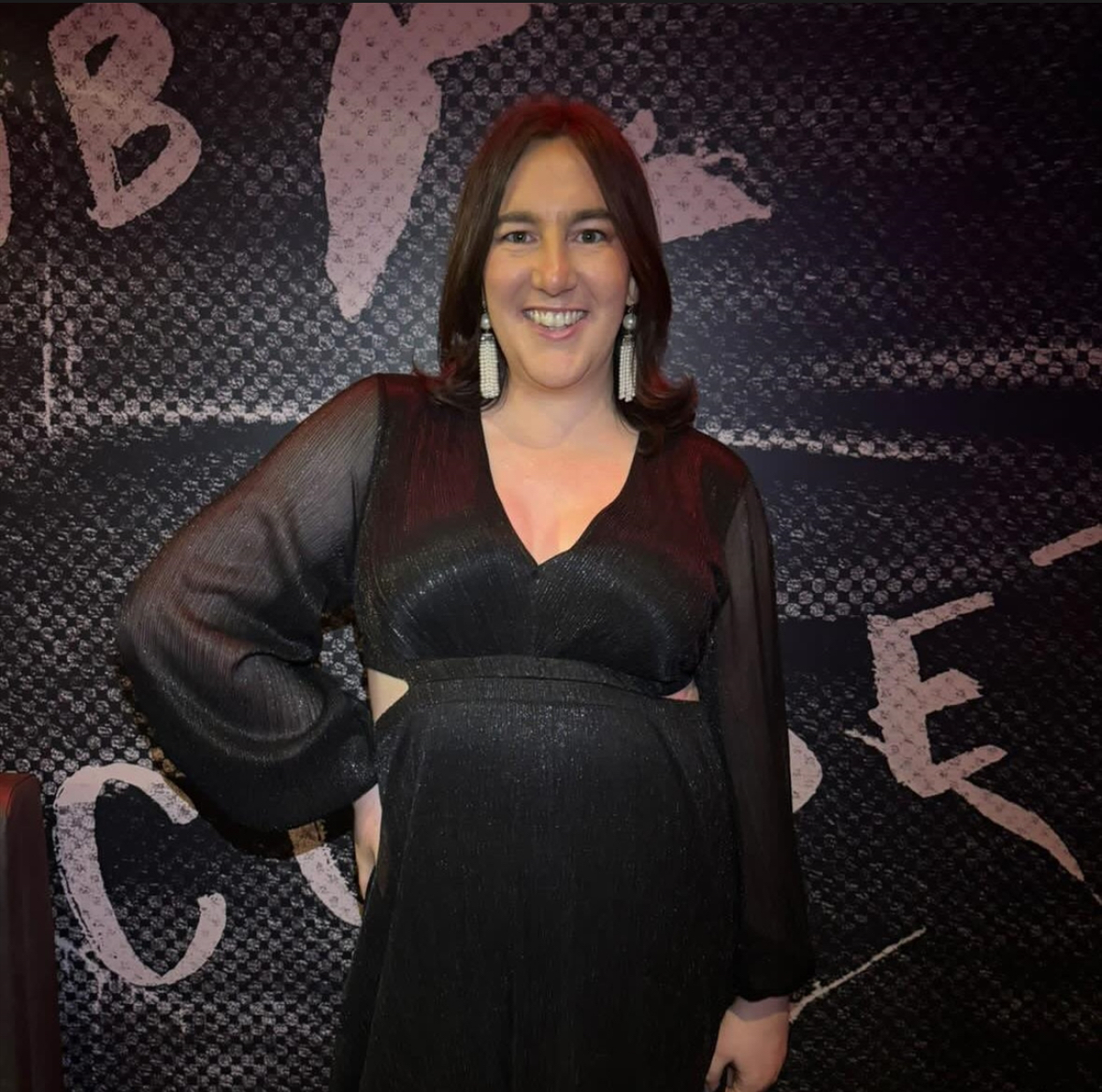
Thea Bardot, CEO and founder of Lightening Travel Recruitment Image: Provided by Thea Bardot
Could you share your professional career journey with us?
Thea: My career has evolved alongside my personal journey. As I’ve grown older, I’ve come to understand that I’m neurodiverse – I’m autistic, have ADHD, and I’m trans. Each career step taught me something new about myself, though, unfortunately, many of these lessons came through toxic work environments and burnout. I won’t glamorize or gloss over that, but those experiences led me to create Lightning five years ago because I couldn’t find a workplace where I could truly be myself.
Before founding Lightning, I worked in travel and events. I originally launched Lightning as a recruitment agency, but not just for myself but for so many others who, like me, felt unseen and unsupported, not just by the industry but also by recruitment professionals. When I first started the business, I identified as a cis gay man. Five years later, I now embrace my identity as a trans, non-binary person. And today, I can confidently say I’m the happiest I’ve ever been. I finally see a future for myself. The challenges I faced in various workplaces – both the bad experiences and the good – ultimately led me to becoming my authentic self. That’s the short version of my career journey!
Could you share why you set up your own business Lightning Travel Recruitment?
Thea: I saw a gap in the market for authenticity, inclusivity, and representation—so I went all in. After years of hiding in traditional workplaces, I wanted to build something bold, unapologetic, and disruptive. At first, that approach ruffled feathers, but I learned that storytelling and authenticity create lasting impact.
Both the travel and recruitment industries have serious issues, and instead of just critiquing them, I built a solution: a safe space that fosters education and representation. I launched Lightning from a spare bedroom, while recovering from four surgeries, with nothing but my belief that I could make a difference.
Five years later, I know I have – by starting conversations that weren’t happening before. Now, as a trans person, visibility means everything. My dream is for other trans people to have safe workplaces, to see people like me thriving, and to be valued beyond just our trans identities.
Can you talk about the specific challenges that LGBTQ+ individuals – particularly trans and non-binary people – face in both the travel and recruitment sectors, whether as employees or customers?
Thea: First, people need to understand that trans individuals exist in a world that constantly tells us we shouldn’t. That’s the baseline reality. When we apply for jobs, there are barriers before we even reach the application stage. Things like gendered language in job descriptions, the lack of visible trans people in company policies and employer branding, and the fear of not knowing whether we’ll be safe being ourselves in an interview – it’s exhausting.
Imagine the courage it takes for a trans person to apply for a job, knowing full well that they’ll likely be misgendered, that the workplace might be unwelcoming, and that they’re voluntarily stepping into a potentially harmful environment. And yet, we have to do it because we live in a capitalist society that demands we work. People underestimate just how real the struggle is. The trans unemployment rate is more than double the UK average. That’s a serious issue. Workplaces should not be this difficult for trans people to navigate, yet they are.
How can organizations become more trans inclusive?
Thea: One of the biggest challenges with trans inclusivity is that businesses often rely on trans people to step forward and advocate for themselves. Many companies only create policies when they have visible trans employees, but that’s incredibly short-sighted.
What I want to see is businesses making trans-inclusive policies before they have openly trans employees. Because the reality is, they do have trans employees – just not all of them feel safe being visible yet. If companies truly want to foster inclusivity, they need to be proactive, not reactive. That’s how we create real change.
What can workplaces do to reduce discrimination and create more inclusive, supportive, and safe spaces for trans and non-binary employees?
Thea: The obvious one is always pronouns. It can’t be overstated how much safer it makes a trans person feel when they’re emailing a company and see someone – including cis people – using their pronouns. If you’re someone who resists adding pronouns to your email signature or doesn’t see the point, just remember: it’s notabout you. It’s about creating a safe space for the trans person on the other end of that email.
Beyond that, adding pronouns to job application forms is such a simple but impactful step toward inclusivity. It signals to trans candidates that they are seen and considered from the very start of the hiring process.
Another thing that workplaces don’t always think about is remote working. The ability to work from home can be a game-changer for trans people. My relationship with gender dysphoria has actually gotten worse as I’ve gotten closer to being the final version of myself. There are days when I look in the mirror, and that’s it – I’m done. I have to go back to bed. I can’t be visible on video calls, but I can still do my job. If I were required to go into an office on those days, I just wouldn’t be able to function.
So, it’s not about rigid, one-size-fits-all policies. It’s about making accommodations for trans people, disabled people, and any marginalized communities. Those are two really easy, practical wins that any workplace can implement.
Can you share your personal transitioning journey with us?
It was Bimini Bon-Boulash made me realize I was trans. For those who don’t know, Bimini was a contestant on RuPaul’s Drag Race UK during the pandemic. At that time, I was a problematic cis gay man, undiagnosed with ADHD and autism, and at a really bad point in my life, deep in drugs, deep in rebellion, but not knowing who or what I was rebelling against. I was just angry.
When I came out as gay in my teens, I never felt that huge weight-off-my-shoulders moment that everyone else described. I always felt like I was still holding onto a secret. I just didn’t know what the secret was.
Then, I saw Bimini. And for the first time, I heard the words non-binary, and it hit me – that’s me. I immediately went onto a shopping website, ordered a dress – it’s still in my closet to this day and when it arrived, I put it on and went out to see my friends. I expected some huge reaction, but no one batted an eyelid. I was like, Surprise! I’m non-binary! And everyone just went, Girl, we knew. But kudos for getting there. I felt so seen and safe in that moment.
That moment of feeling seen was life-changing. My journey has been unique, like every trans journey. There have been incredible highs – walking freely as my true self, advocating for trans kids, and offering support to parents. But also deep lows – physical and verbal attacks, online abuse, and moments of doubt.
Five years in, I’ve been on HRT for 18 months and had transitioning surgery in January. Some say my transition was fast, and I acknowledge my privilege in accessing care. But for me, it felt right. I chose happiness over safety because, for many trans people, that’s the choice we have to make.
What are some of the biggest obstacles for individuals transitioning or considering it in the UK?
Thea: Healthcare, without a doubt. I’m currently fundraising for my final surgeries because, in this country, accessing gender-affirming care feels like a pipe dream. The costs are staggering, and many trans people lose their lives waiting for treatment they desperately need. And it’s not just adults – trans kids are having their access to life-saving medications blocked by the government.
Another challenge? The lack of trans elders. We don’t have generations ahead of us to guide the way. We’re constantly fighting—for basic rights in healthcare, workplaces, and education. Policies echoing Section 28 are creeping back into schools, making it even harder for young trans people to grow up safely.
I transitioned later in life, at 32, and while that came with trauma, at least I had the chance. But trans kids today? They don’t. And not enough people are outraged about it. Many of us grow up believing we won’t reach adulthood. For most of my life, I couldn’t imagine a future where I looked in the mirror and felt peace. That’s still my goal. Now imagine being a trans child in a world that constantly tells you that you shouldn’t exist – that’s the reality.
For those who are thinking about transitioning or are currently in the process, what advice would you give them?
Thea: It’s never too late to choose you. There’s this image in the media of what “successful” trans people should look like – some perfect, polished version of trans beauty or achievement. But you don’t have to fit into that to be valid. You don’t have to prove your identity to anyone. You are already enough.
For me, the choice was simple. I knew the risks. I knew what I was up against. But the alternative – not being myself – was unbearable. The moment I saw a glimpse of who I could be, I grabbed onto it and never let go. That said, I also have to acknowledge my privilege. I’m in the UK, which – while incredibly problematic right now – is still safer than many other places in the world. So, my advice? Please, please consider your safety first. Look at where you are before taking any steps.
Don’t be afraid to ask for help. That was the hardest thing for me. I built so many walls, convinced myself I had to do everything alone. When I launched my GoFundMe, I had to book an emergency therapy session because I was having panic attacks – I couldn’t figure out why. And by the end of the session, it hit me: I had never actually asked for help before. I had spent my whole life being visible, but I had never made myself vulnerable. So if I could do it over, I’d have asked for help sooner.
What more can allies do to support trans and non-binary people?
Thea: Educate yourself, amplify trans voices, and put your money where your mouth is.If you’re in a workplace, review your policies. Look at your job descriptions – are they gendered? Are pronouns included? Hire trans people. Pay trans speakers. We have Trans Visibility and Awareness Weeks throughout the year – book a trans speaker and pay them.
And beyond the workplace, engage with trans content. Streaming platforms aren’t pushing trans stories, you have to go looking for them. But they’re out there. Disclosure with Laverne Cox, Butterflies, Will Ferrell’s new documentary – watch them, share them and support them.
What changes would you like to see in society regarding inclusivity and trans rights?
Thea: I just want trans people to be part of the conversation. We’re constantly being talked about, but we’re never actually heard. I want trans voices centered. I want trans stories told—by trans people. And, to be honest, I just want more kindness. More respect. More love.
We’re kicking the door down right now, just trying to be heard. But I don’t want to have to kick down the door – I want it open. I want a dressing room. And I want a bowl of blue peanut M&Ms waiting for me.
Looking ahead, what are your personal and professional goals?
Thea: My biggest goal for the future is to be mediocre. I’ve spent my whole life fighting constantly fighting. And I’m tired. I just want to take a step back, breathe, and actually live as the person I fought to become.
I’m currently raising money for my final facial feminization surgeries. I was incredibly lucky to self-fund some of my transition last year, but this last step is still out of reach. If you’d like to support, the link is in all my social media bios (Thea Bardot on LinkedIn). And if you do donate, don’t stop with me, pretty much every trans person is crowdfunding for gender-affirming care because we can’t access it through the system.
Thea Bardot is a proud member of myGwork. You can connect with Thea here.