
Thousands march at Argentina's LGBTQ+ Pride, denouncing government policies
November 3, 2025Thousands of LGBTQ+ people, allies, and advocates gathered in Buenos Aires on Saturday for the 34th annual Pride march, standing against what participants describe as government-fueled discrimination. The march, themed "Against hate and violence: more pride and unity," commenced at the Plaza de Mayo and culminated at the National Congress, symbolizing a call for legislative action and protection.
Participants voiced concerns over recent policy changes enacted by President Javier Milei's administration, including the elimination of the Ministry of Women, Gender and Diversity, and the dissolution of the National Institute Against Discrimination, Xenophobia, and Racism (INADI). Critics argue that these measures undermine crucial safeguards for LGBTQ+ people and contribute to a climate of intolerance.
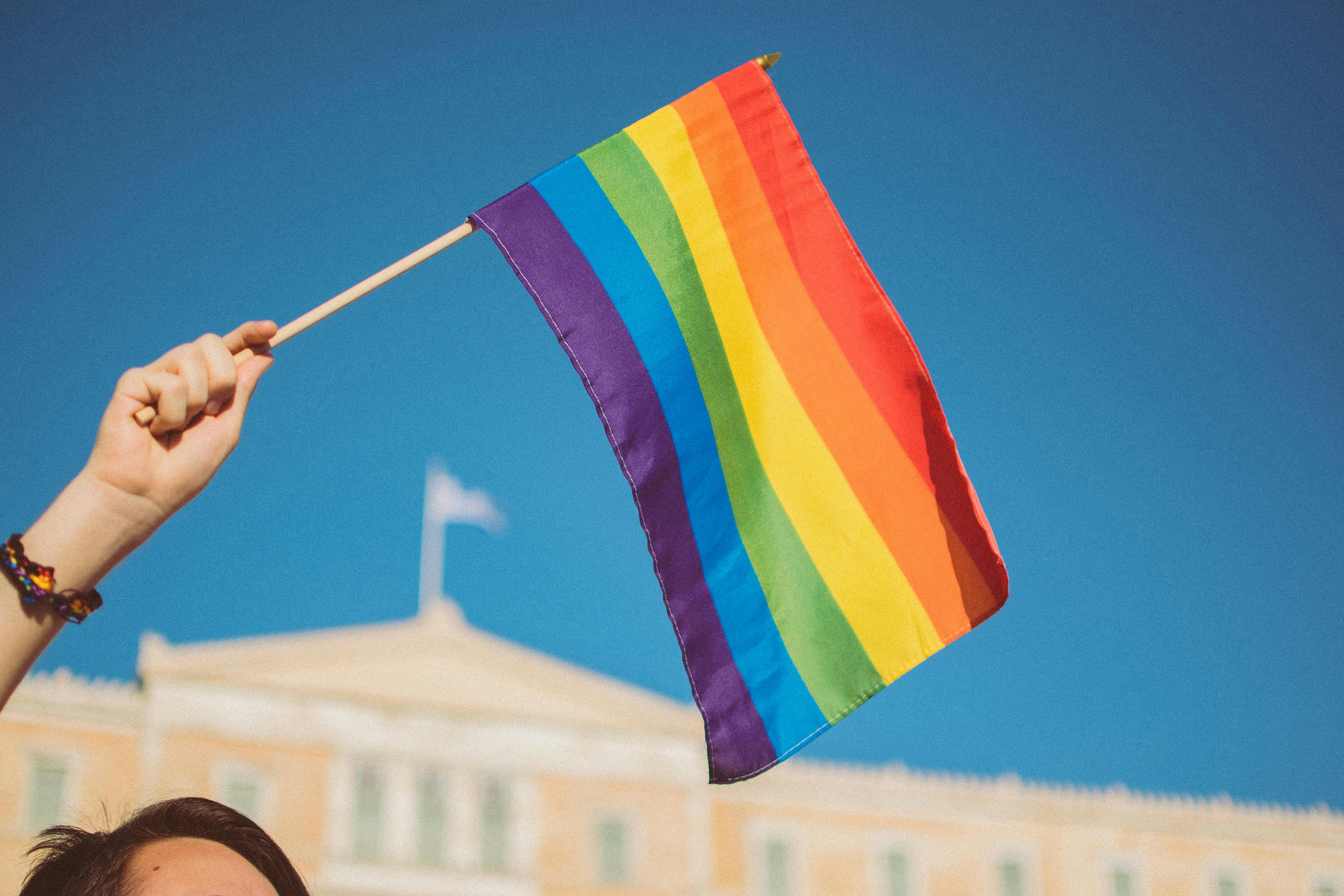
"The current administration has ushered in a worrying increase in hateful rhetoric, both on the streets and online," stated Nahuel Vassallo, a 22-year-old university student participating in the march. "It's more important than ever that we stand together to defend our rights and our identities."
As reported by France 24, the march featured a diverse array of participants, including families, activists, students, and tourists, all united in their support for LGBTQ+ equality. The event also featured messages of support from prominent figures, including British singer Dua Lipa, who will be performing in Buenos Aires soon.
Maria Paula Garcia, coordinator of Equality and Diversity at Amnesty International Argentina, emphasized the broader implications of the current political climate. "This dismantling of protective institutions is occurring amidst a surge in hateful and violent rhetoric, including from figures in positions of authority," Garcia said.
Reports from the National Observatory of LGBT+ Hate Crimes indicate a 70 percent increase in hate crimes targeting LGBTQ+ individuals in the first half of 2025, compared to the same period last year. The rise in violence has heightened concerns within the community.
"I feel like it's more dangerous for us now," said Karina Fernandez, a 22-year-old participant in Saturday's march, "The climate is more tense."