
Thriving with ADHD: A Conversation with Karen Lamb
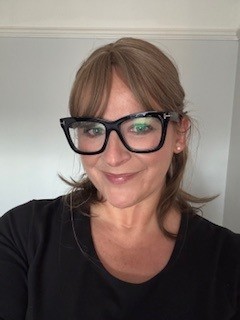
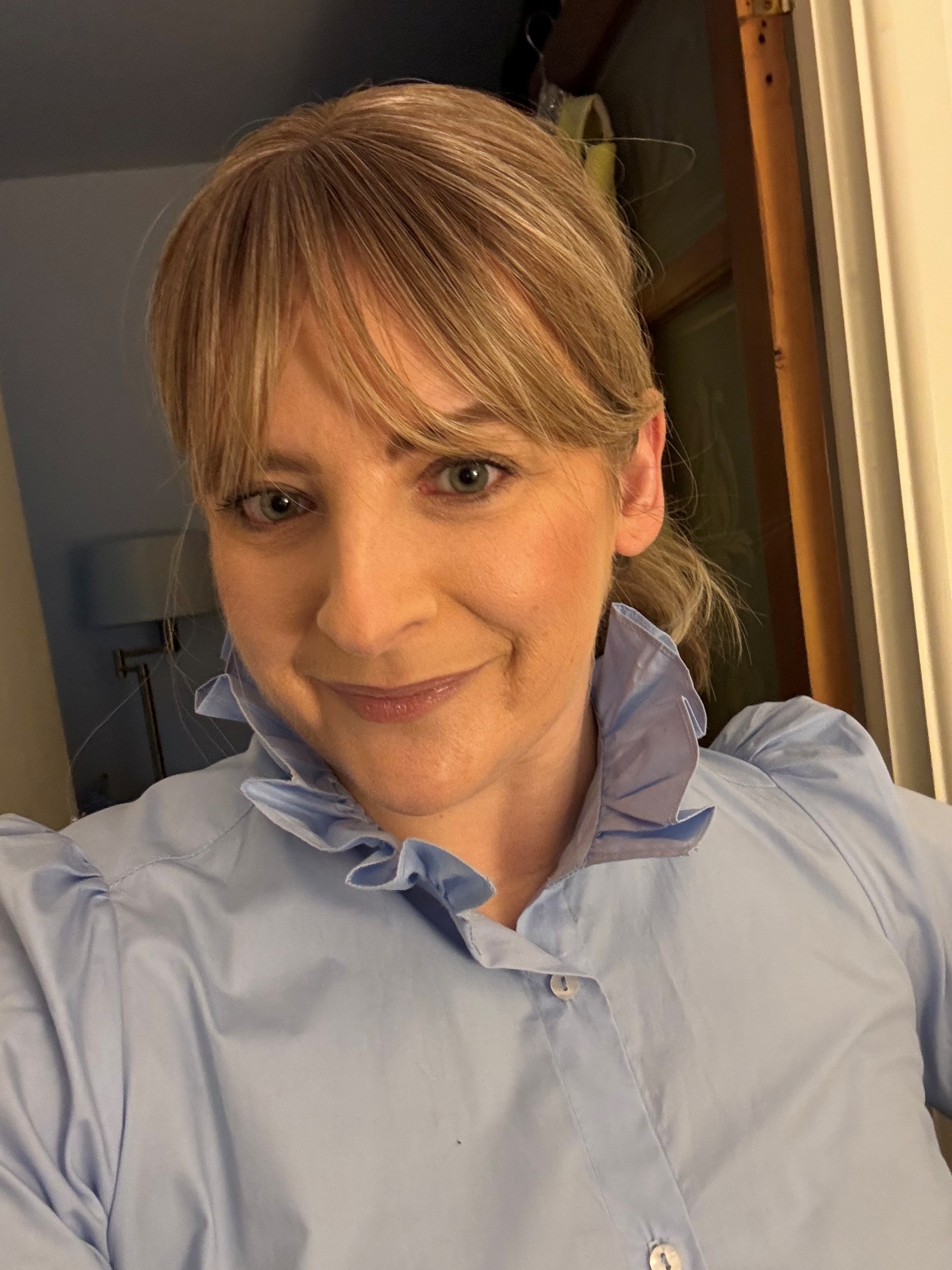
March 5, 2026We sat down with Karen Lamb, Senior Territory Manager for Cepheid, a Danaher company, to talk about her experience as a neurodiverse professional navigating the corporate world. Diagnosed with ADHD in 2024, Karen shares her journey from years of unrecognised challenges to three consecutive President’s Club awards — and why she’s now on a mission to raise awareness and empower others in the workplace.

Hi Karen! Please introduce yourself and describe your role at Danaher.
My name is Karen Lamb; I am a Senior Territory Manager for Cepheid, covering the North of England and Ireland. I am part of the commercial team that supports customers on all aspects of Rapid Clinical Molecular (PCR) testing, using our random‑access, on‑demand testing platform. As a former biomedical scientist in a microbiology laboratory who performed manual PCR testing, it is amazing to be able to support patients with such a vital testing platform as part of their healthcare experience!
Can you share your experiences as a neurodiverse person in the workplace, particularly any challenges you have faced and how you have overcome them?
I was diagnosed with ADHD in 2024, after suspecting this for a number of years. In work, I had always struggled with executive‑function tasks, and there was a constant challenge to keep on top of things — not let deadlines slip, etc. Once I was diagnosed, the executive dysfunction aspect of ADHD made so much sense: ‘So that is why I made so many lists and had so many notebooks!’
It is an ongoing process of evaluating what works for me, but having a simple, consistent routine forms the basis of my workday when I am functioning at my best. I know there are tools out there to help support ADHD in the workplace, especially with the implementation of AI in the corporate world, so I am confident this will help improve things further — all tips welcomed 😊
In what ways do you believe being neurodiverse impacts your experiences in the workplace, and how do you navigate any unique challenges that arise?
Being neurodiverse brings many benefits to a workplace and can enhance the performance and collaboration of teams in a positive way. My ADHD makes me very empathetic and keen to ensure individuals are included in conversations, that everyone is given a fair chance and the opportunity to contribute.
Another characteristic of my ADHD is my thought process; whilst one person may look at a situation and arrive at one outcome, I have gone through three or four different perspectives and potential outcomes — the personification of seeing the ‘bigger picture’! I am already solving the problem as soon as it arises.
I am never afraid to speak up and share my opinion, which can often be a unique perspective and, hopefully, adds value to conversations and discussions. One of the more challenging work situations is how I manage change, and this can be one of my biggest barriers in my daily work. Process changes will inevitably happen in a corporate environment to support development and improvement. With ADHD, I have the challenge of adapting to these changes and incorporating them into my daily routine quickly and successfully, without disrupting the quality of my work or minimising any impact this disruption may have on colleagues.
With the right tools, things such as this are so much simpler. Having clear guidelines and training materials for new processes is essential to make things easier to manage. This, in turn, helps achieve success for the individual, the wider business and, most importantly, the customers and patients — which, at the end of the day, is why we do this.
There are still obstacles that I am trying to navigate, and I know this will be an ongoing learning journey. I want to continue sharing my learnings to support others.
Share with us some personal successes or achievements you are proud of as a neurodiverse person in your professional life.
After struggling for several years to fit in with my team and find the right role for me, I am now in a much better place in terms of understanding why I find certain things challenging at work and how I can use this to positively impact my role. My diagnosis, subsequent treatment and awareness of ADHD have been truly life‑changing.
I have been immensely proud to have achieved the ‘President’s Club’ award for three consecutive years — something I previously thought was unobtainable and impossible! I now actually enjoy my job; no more ‘Sunday scaries’ for me! Part of that is due to my amazing teammates and their understanding of how I work, the collaborative way we operate, and the communication that makes this happen so successfully.
Two years ago, I was asked to present on the main stage at our annual Global Sales Meeting to talk about what makes me successful in my role. Having to talk about myself in a positive way to over 600 people was quite a daunting task, to say the least, but I leaned into why I had been given this opportunity and how I was worthy of taking my place up there. All my previous struggles had led me there.
Share with us a personal story or experience where you felt empowered and embraced as a neurodiverse person in the workplace, especially during the celebration of Neurodiversity Week.
During the presentation mentioned above, I used it as an opportunity to talk about my ADHD diagnosis and highlight that things are not always easy. I was subsequently approached by many people who were going through similar experiences and thanked me for talking about it.
I am truly passionate about ADHD awareness and practical tools for use in the corporate environment, as I feel there is so much more to be done to support this. I am always reading and researching to learn more about ADHD and neurodiversity, and how they impact individuals, their families, their support networks and colleagues.
Part of me is always wondering what could have been if I had this awareness 20 years ago, but the important thing to focus on is what I can do to help myself and others now, whilst also raising awareness of ADHD and neurodiversity in the workplace. Once I was diagnosed, it helped me accept who I am, why I am like this at work, and what I can do to help myself going forward. I then began to flourish, feeling so much better about myself, and I am passionate about sharing this knowledge with others so they, too, can feel empowered to succeed and thrive in the workplace.
Have you encountered any specific barriers as a neurodiverse person in the workplace? How have you navigated those, and what advice would you give to others facing similar challenges?
RSD (rejection sensitivity disorder) is a significant factor at work — thinking you are letting people down, that you are saying the wrong thing, that people do not like you. It can be so hard to fit in sometimes. It can also be hard to explain yourself and why you do things in certain ways. On more than one occasion, I have been told, ‘You don’t have ADHD?’ as people are surprised that the version of myself I present externally does not fit stereotypes. However, the masking that goes into coping with everyday life can be exhausting.
It sometimes feels like it takes me two or three times as long to accomplish things that my colleagues do so easily, and that is something I must factor in when planning my time at work. I talk about it regularly, as it is so important for colleagues to realise how it can impact my day‑to‑day working role.
As people with ADHD process things differently, this can sometimes be seen as being difficult, when in fact a major benefit is the drive to keep things as simple as possible — something that benefits everyone. My advice would be to have open and honest conversations with colleagues to raise awareness, or to reach out privately to support groups within the workplace; you will not be the only person going through these challenges.
Learn more about Danaher here.