
Top 3 ways to empower diverse intersectional identities in the workplace
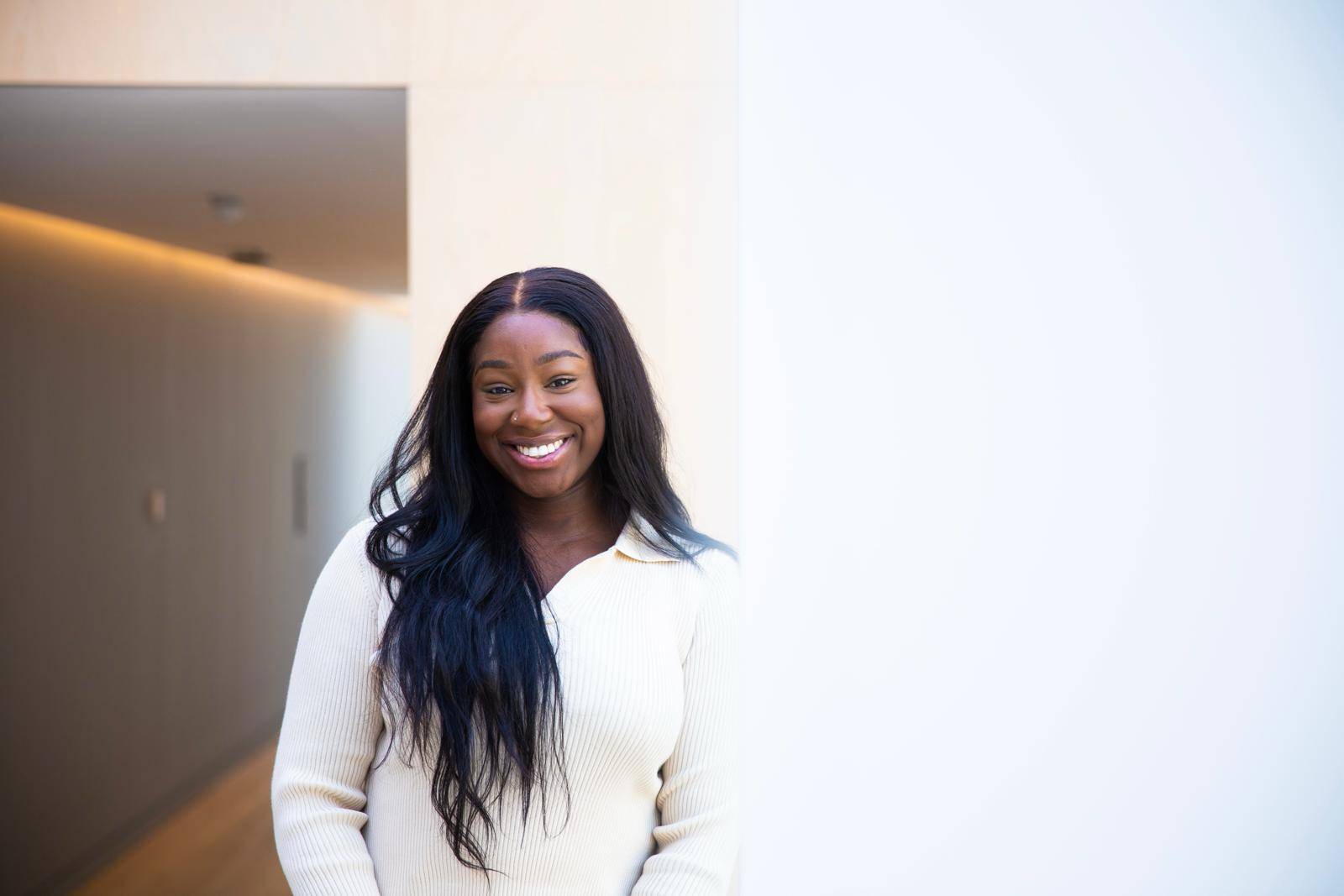
April 9, 2024I’m Eunice and I work as the Diversity, Inclusion and Belonging Advisor at London Business School. Beyond that, I'm a Black, Christian woman and proud ally of the LGBTQ+ community, but that's just a few of the many intersections that define me. Just like everyone else, my life is a mix of experiences and backgrounds that shape me into the unique individual that I am. Here are 3 ways we can support and empower individuals from diverse intersectional identities in the workplace and promote inclusivity.
1. Remain open and flexible in how you approach work.
It’s important to remember that not everything about a person and their identity is immediately obvious, this is especially true when considering intersectionality. Instead of imposing our own norms onto others, a supportive approach we can all adopt is to create space for people to share their perspectives and identity. By doing so, we cultivate an environment where individuals from diverse intersectional backgrounds feel empowered to express their needs and preferences without fear of judgment.
For instance, when collaborating with a new colleague, you could ask how they prefer to take meetings – whether it’s regarding time of day, duration, online or in person. This simple question can be helpful to everyone, including someone who is neurodiverse and might need to take breaks during longer face to face meetings or someone who is fasting due to religious reasons and may prefer to work earlier in the day or even different personality types.
2. Avoiding assumptions based on what you think you know.
Assuming we understand someone's whole experience based on just one aspect of who they are overlooks their full story, and disregards how our identities interact in complex ways to shape our lived experiences.
Let’s say you’ve worked closely with a colleague that openly identifies as LGBTQ+ who was happy to speak about this part of their life at work even for example spearheading the company’s Pride month activities. Assuming everyone is just as open, when a new member of your team shares they are LGBT+ with you, you nominate them for a similar campaign without asking them first. But what you might not know is that this new colleague comes from a deeply religious background and hasn't come out to their family or friends, therefore their experience as an LGBTQ+ person is quite different from your previous colleague.
It's important to understand that one person's needs and experiences don't represent everyone else in their community. What one LGBT+ colleague finds supportive might not be the same for another, as their mix of identities affects how they see things.
3. Embrace vulnerability and shared experiences.
It can be easy to look at someone and assume they have no difficulty in how they navigate the world, especially if you perceive them to be privileged. However, everyone has a unique history that has shaped their experiences and identities. Instead of focusing solely on our differences, intersectionality offers an opportunity to find common ground through the lens of shared experiences.
When we courageously open up and share vulnerable stories, we not only connect on a deeper level but also empower others who may have faced similar challenges irrespective of how they identify. This sharing allows for a greater understanding of the challenges individuals from intersectional backgrounds encounter, even if these similarities aren't immediately obvious.
By embracing vulnerability and fostering shared experiences through storytelling, we can use our shared humanity to strengthen a sense of belonging. This creates an inclusive environment where everyone's experiences are valued and respected no matter the intersection they belong to, leading to stronger bonds and a more supportive workplace.