
Top rated LGBTQ+ holiday destinations according to 2026 data
July 28, 2026LGBTQ+ travelers often look for destinations that combine culture, community, and safety. The Rainbow Map 2026 ranks European countries by how well their laws and policies protect LGBTQ+ people. Using those scores as a guide, here are seven standout places to visit in 2026 and what each can offer.
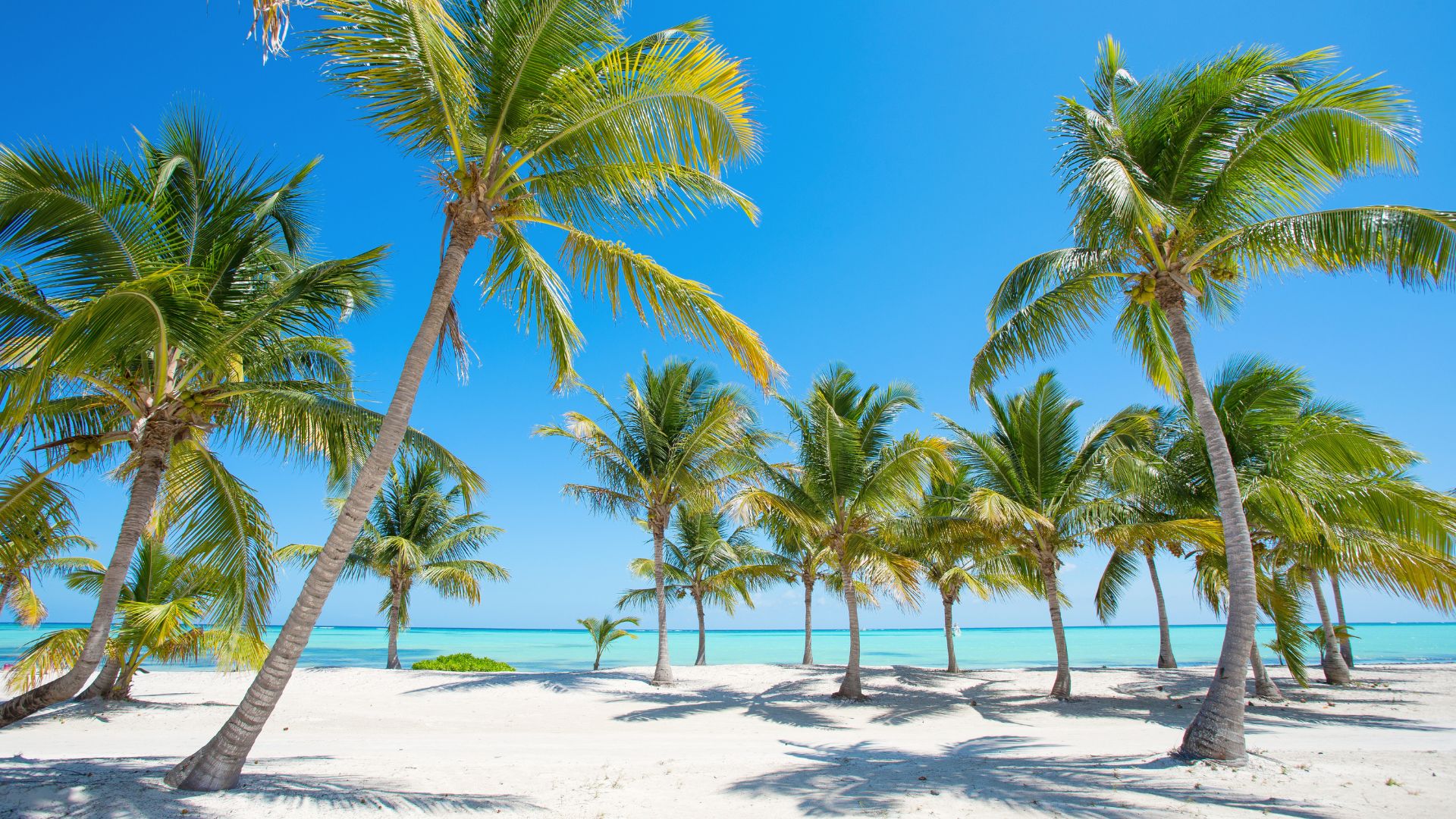
1. Spain
Spain holds the top score on the Rainbow Map 2026 with 89%. Strong protections sit alongside a visible, confident queer culture, especially in the big cities.
Madrid hosts one of Europe’s largest Prides in late June or early July. The Chueca neighborhood fills with stages, parties, and community events, while queer bars and clubs keep going into the early hours all year.
Barcelona mixes beaches, architecture, and nightlife. Eixample and Raval have many LGBTQ+ friendly venues, and the waterfront is a social hub in summer. Nearby Sitges offers a classic gay resort experience with dedicated gay beaches, terraces, and festivals that draw international crowds.
Travelers looking for a slightly slower pace can explore Valencia, Seville, or Bilbao, where local Prides and queer nights sit inside a strong food and arts scene.
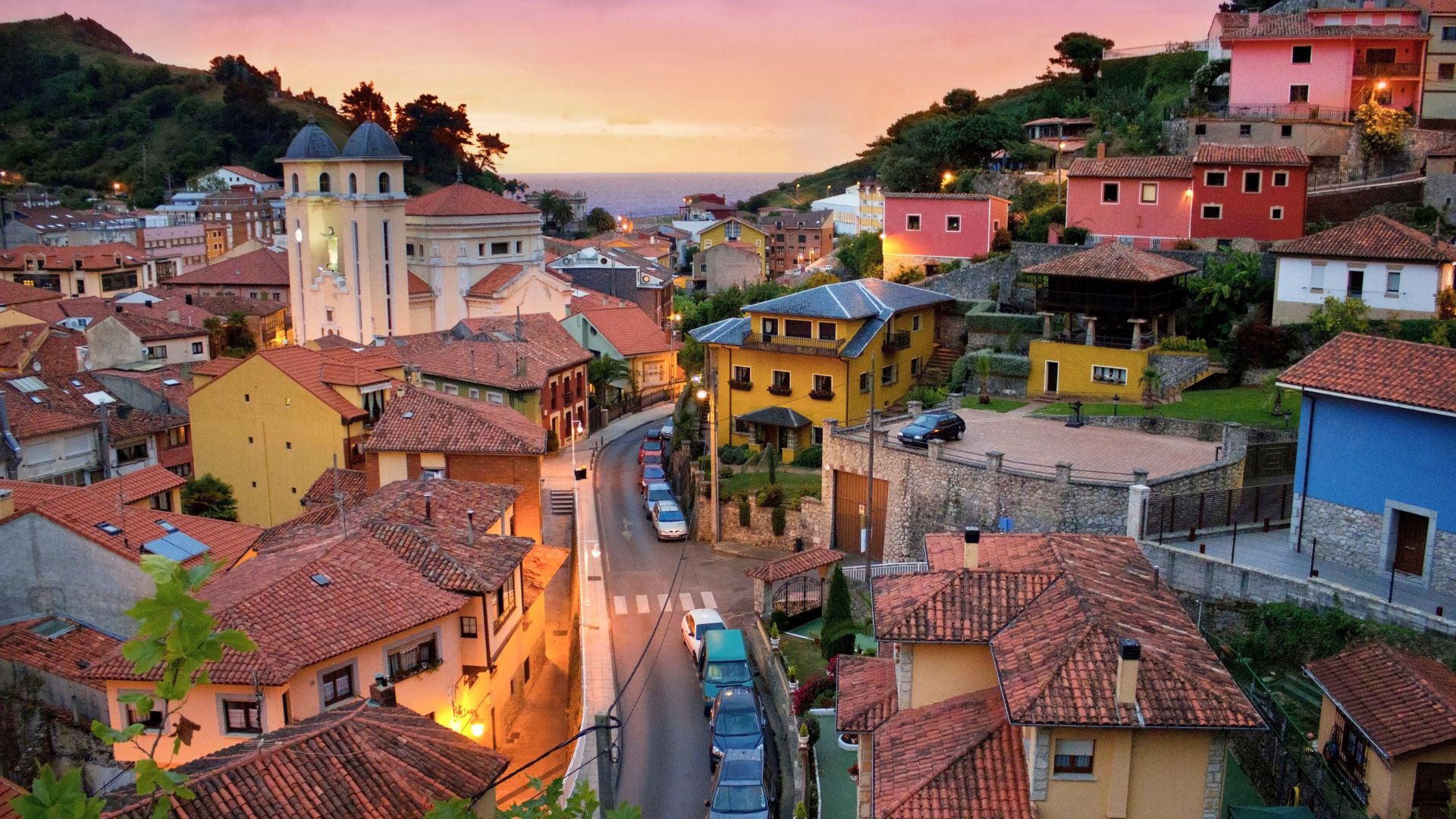
2. Malta
Malta ranks second with 88%. Its legal framework around equality, trans and intersex rights, and bans on conversion practices is among the strongest in Europe.
Valletta, together with the surrounding urban coast of Sliema and St Julian’s, offers harborside bars, cafés, and small but active LGBTQ+ spaces in a dense, walkable setting. English is widely spoken and public transport is simple, which suits first‑time visitors.
For a calmer stay, travelers head to Gozo and Comino. These smaller islands offer hiking, coastal scenery, and diving. The atmosphere suits couples or small groups who value low-key surroundings with legal protections in the background.
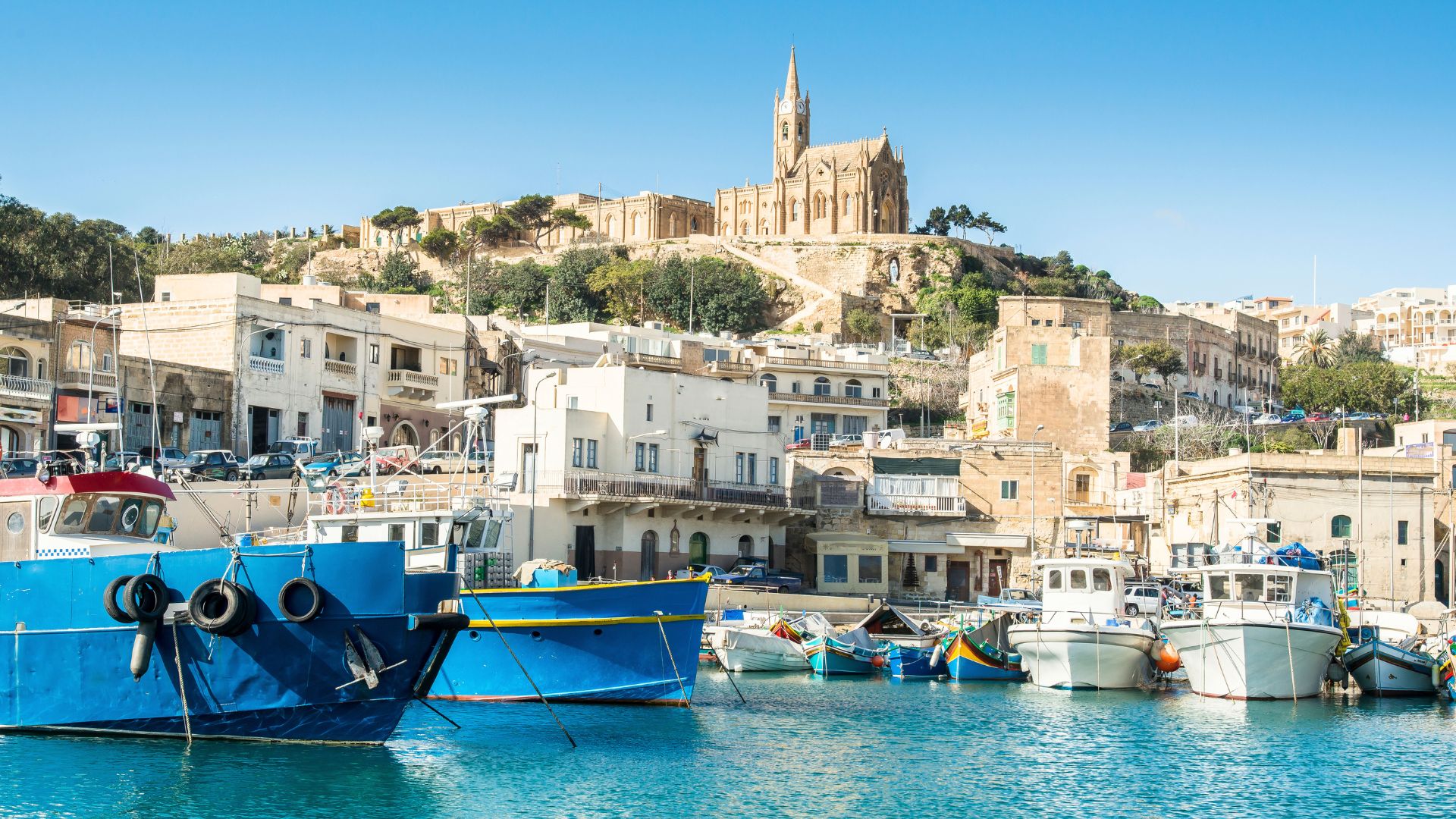
3. Iceland
Iceland scores 86% and offers a rare mix of strong rights and world‑class nature.
Reykjavík holds a central place in Icelandic queer life. Reykjavík Pride in August brings parades, performances, and community discussions. A handful of queer bars and many explicitly welcoming cafés create a small yet confident scene.
Beyond the capital, travelers focus on landscapes. The Golden Circle, South Coast, and sections of the Ring Road include waterfalls, glaciers, black‑sand beaches, and geothermal pools. LGBTQ+ visitors usually find that guesthouses and small-town services are relaxed about visible queerness, which supports solo travel and romantic trips.

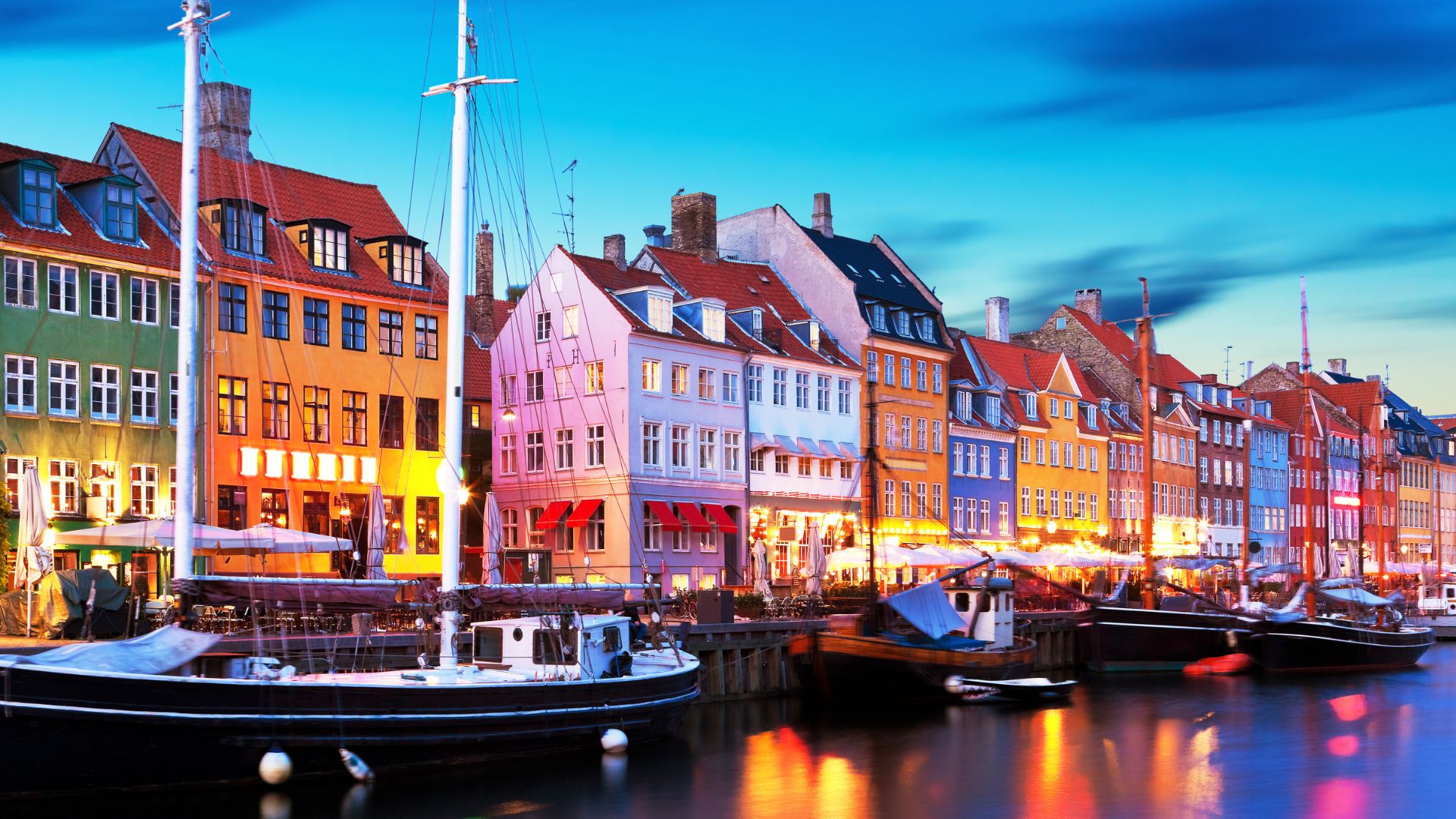
4. Denmark
At 85%, Denmark matches long-standing legal progress with a culture that sees LGBTQ+ lives as part of the everyday.
Copenhagen is the main draw. Copenhagen Pride in August fills the city with parades, concerts, talks, and street parties that emphasize both community and politics. Vesterbro and the city center have queer bars and clubs ranging from casual pubs to late‑night venues, while waterfront saunas and city parks act as informal meeting spaces.
Cities such as Aarhus and Odense add student energy and local Prides. Travelers who enjoy design, good food, and bike‑friendly streets tend to feel at home quickly.
5. Belgium
Belgium also scores 85%, combining strong protections with an active network of organizations and events.
In Brussels, Belgian Pride in May brings together activists, residents, and visitors around a central parade and street festival. The “Rainbow Village” near Grand Place concentrates LGBTQ+ bars and clubs in a compact area, which suits weekend trips. The presence of EU institutions and NGOs feeds a culture where political discussion is common in queer spaces.
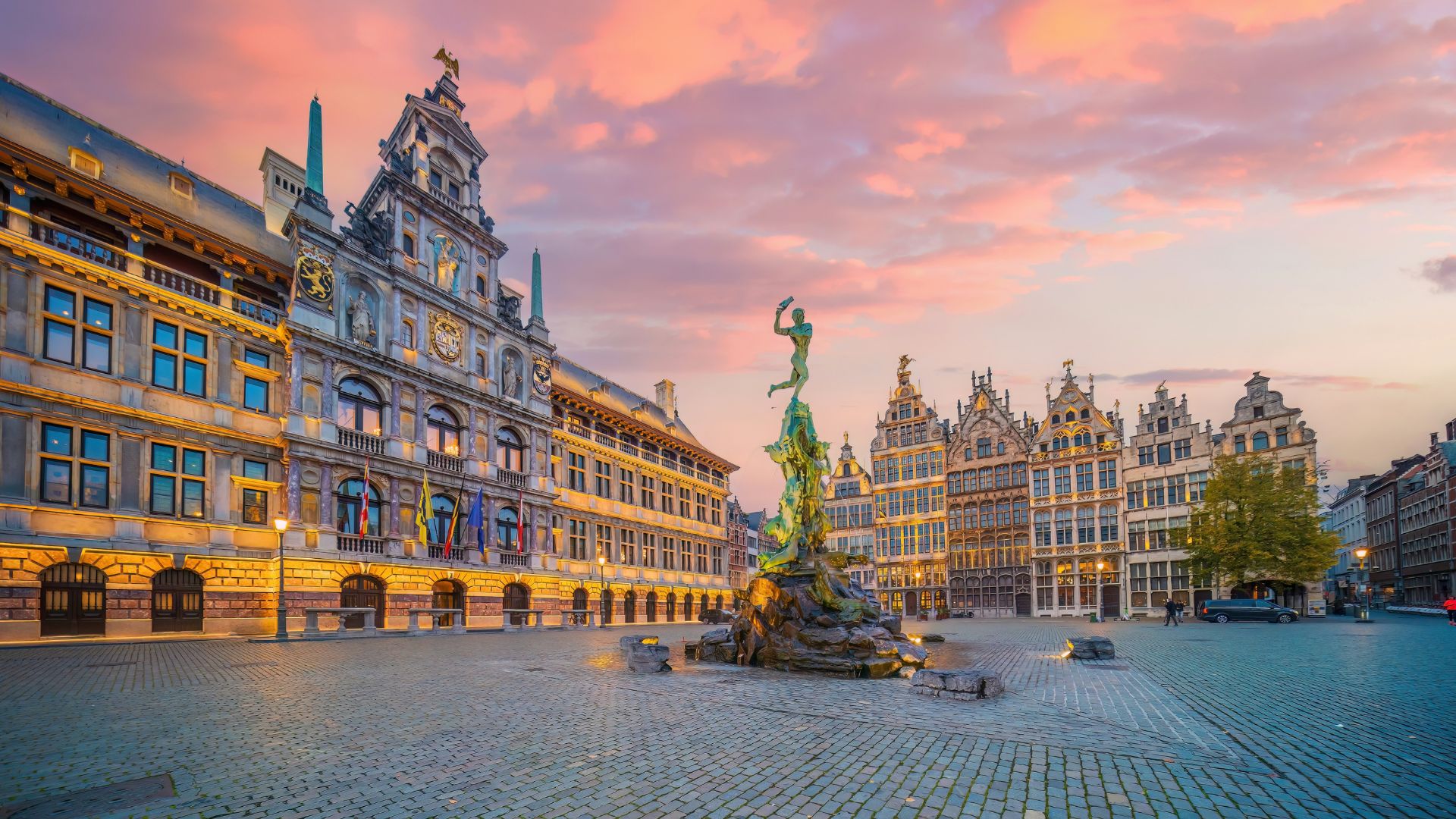
Antwerp often feels like Belgium’s LGBTQ+ capital. Fashion, art, and nightlife come together in a city that regularly hosts queer festivals and themed weekends. Ghent and Leuven offer smaller, student-heavy scenes with their own Pride events and inclusive bars.
6. Finland
Finland’s 70% score reflects significant legal protections and a growing sense of LGBTQ+ visibility, especially in urban centers.
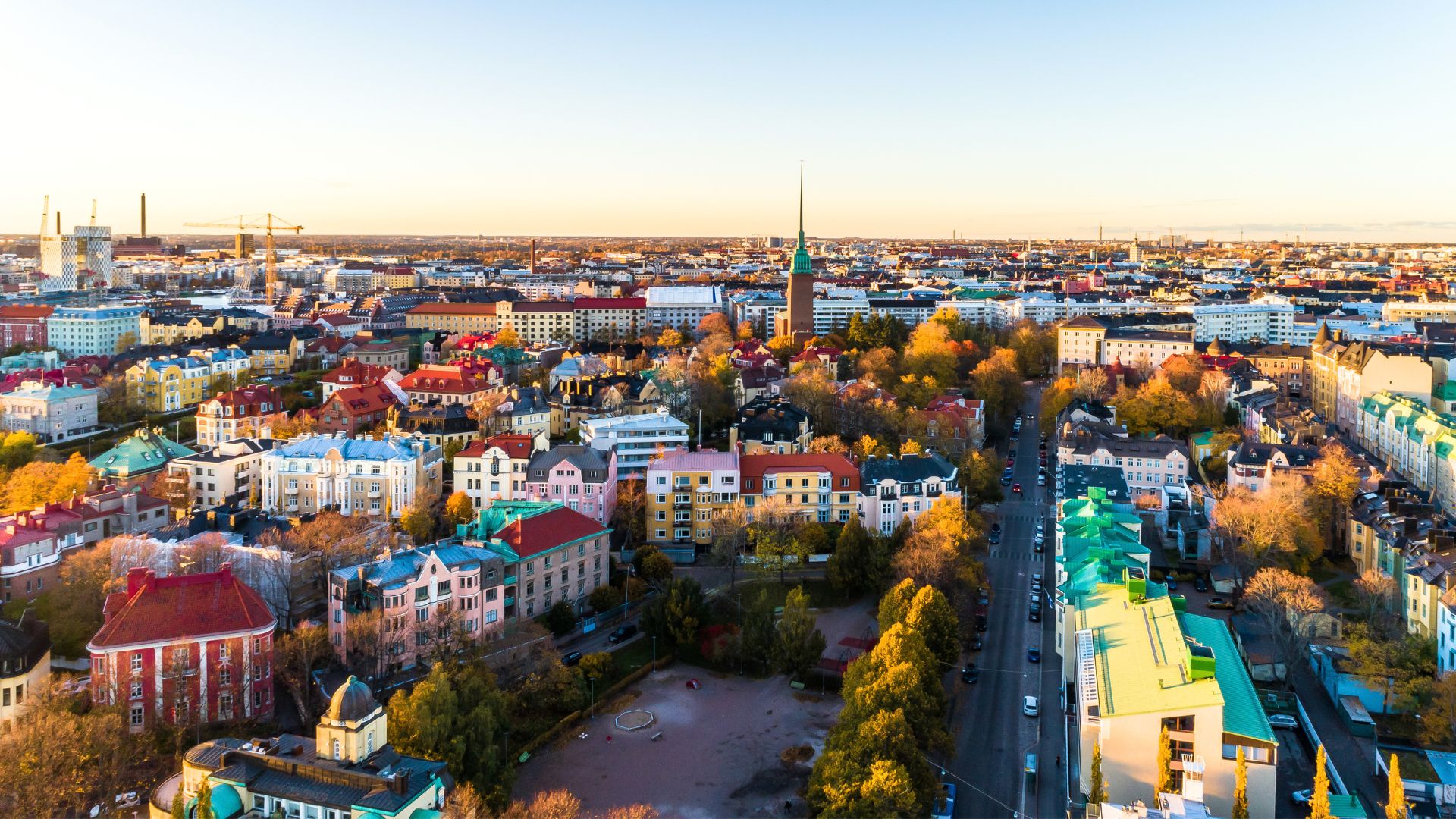
Helsinki hosts one of the country’s largest annual events through Helsinki Pride in late June. The week includes marches, talks, cultural programs, and parties that attract people from across Finland. Queer and queer‑friendly bars sit in the city center, and many mainstream venues proudly display support for LGBTQ+ guests.
Tampere and Turku contribute regional Prides, alternative music and arts scenes, and a strong youth presence. Forests, islands, and lakes are never far from the cities, which makes it easy to combine nightlife with nature.
7. Germany
Germany shares a 70% score and stands out for its variety of LGBTQ+ cities, each with a distinct character.
Berlin remains one of the world’s best-known queer destinations. CSD Berlin each summer fills central streets with floats, banners, and tens of thousands of participants. Schöneberg provides the historic gay district, while Kreuzberg and Neukölln host experimental art spaces, mixed queer bars, and underground parties. Visitors find everything from leather and fetish clubs to sober community meetups and trans‑led initiatives.
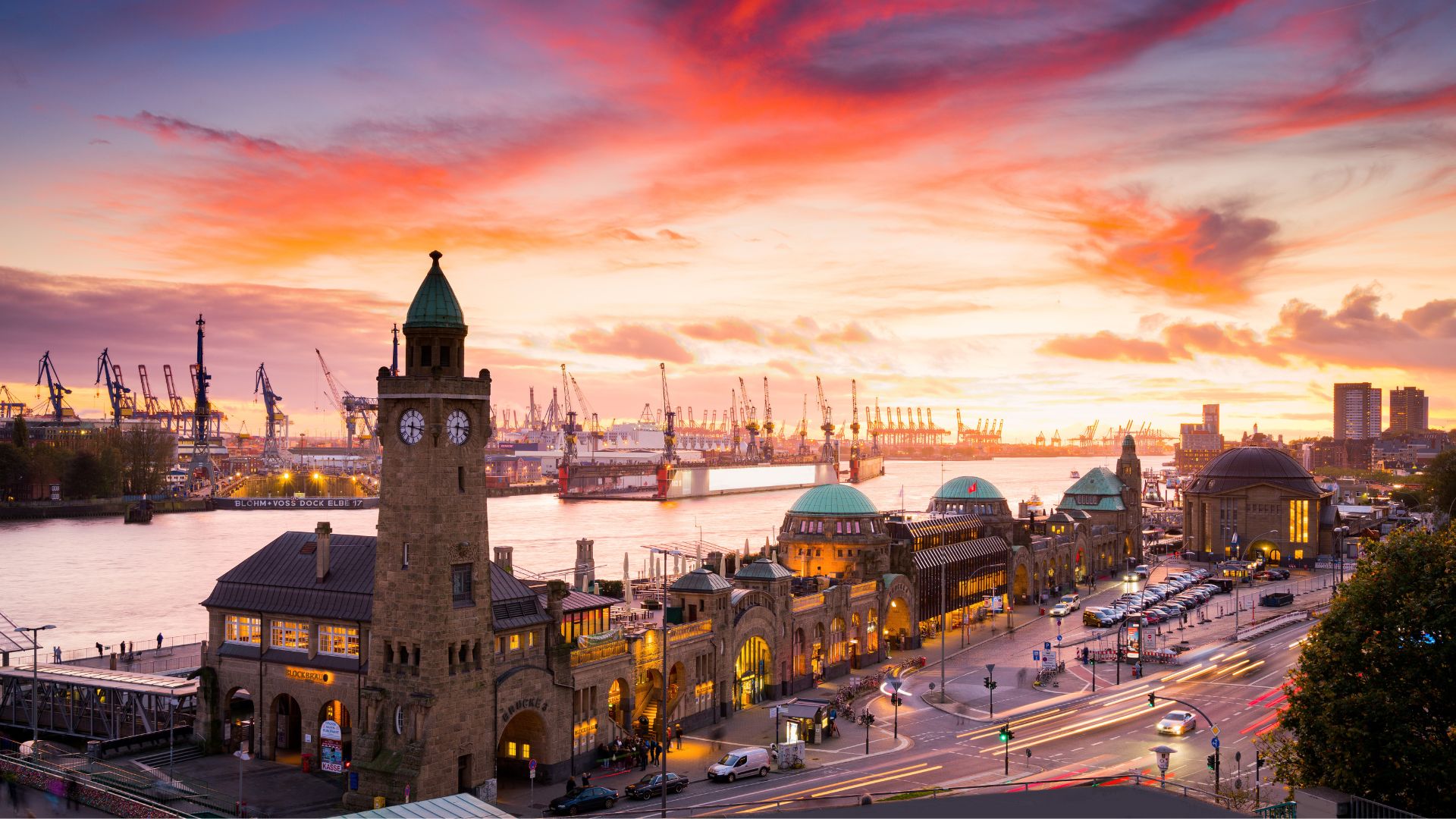
Cologne is famous for its welcoming atmosphere and huge CSD parade, with a dense bar scene around the old town. Hamburg, Munich, Frankfurt, and other cities run their own CSDs and maintain active LGBTQ+ nightlife and community centers, which supports rail‑based trips that hop from city to city.
Using the Rainbow Map for your 2026 travel plans
The Rainbow Map 2026 rankings highlight countries where legal and policy frameworks support LGBTI rights. Spain, Malta, Iceland, Denmark, Belgium, Finland, and Germany all sit in the top group, which gives LGBTQ+ travelers a valuable foundation when choosing where to spend their time and money.
Party‑focused visitors might gravitate toward Madrid, Barcelona, Sitges, Berlin, Cologne, Copenhagen, Brussels, or Antwerp. Travelers who prioritize nature may prefer Iceland’s wild landscapes, Finland’s lakes and forests, or the quieter sides of Malta and northern Spain. Culture lovers can build itineraries around museums, food, and history in Madrid, Seville, Brussels, Antwerp, Berlin, and Helsinki.
Travel also connects closely to work and community. Many people visit or even relocate to countries that feel safer for LGBTQ+ lives. If you are thinking about exploring these destinations in 2026 and want professional networks that align with inclusive values, you can deepen the journey by signing up to myGwork and connecting with LGBTQ+ friendly employers and communities in the same cities you plan to visit.