Top tips for building a more equitable workforce in 2026
December 11, 2025Building an equitable workforce is not just a matter of social responsibility, but a strategic imperative for organizations seeking long-term success. An equitable workforce, one where everyone has fair opportunities to succeed and grow, encourages innovation, improves employee engagement, and strengthens a company's reputation.
According to Addition Solutions, diverse companies are 33% more likely to outperform peers financially, and inclusive teams can make better business decisions twice as fast - so opening up your company to diverse perspectives can only be a positive thing! Here are some key tips to help you build a more equitable workforce in 2026.
1. Start with a Clear Understanding of Equity vs. Equality:
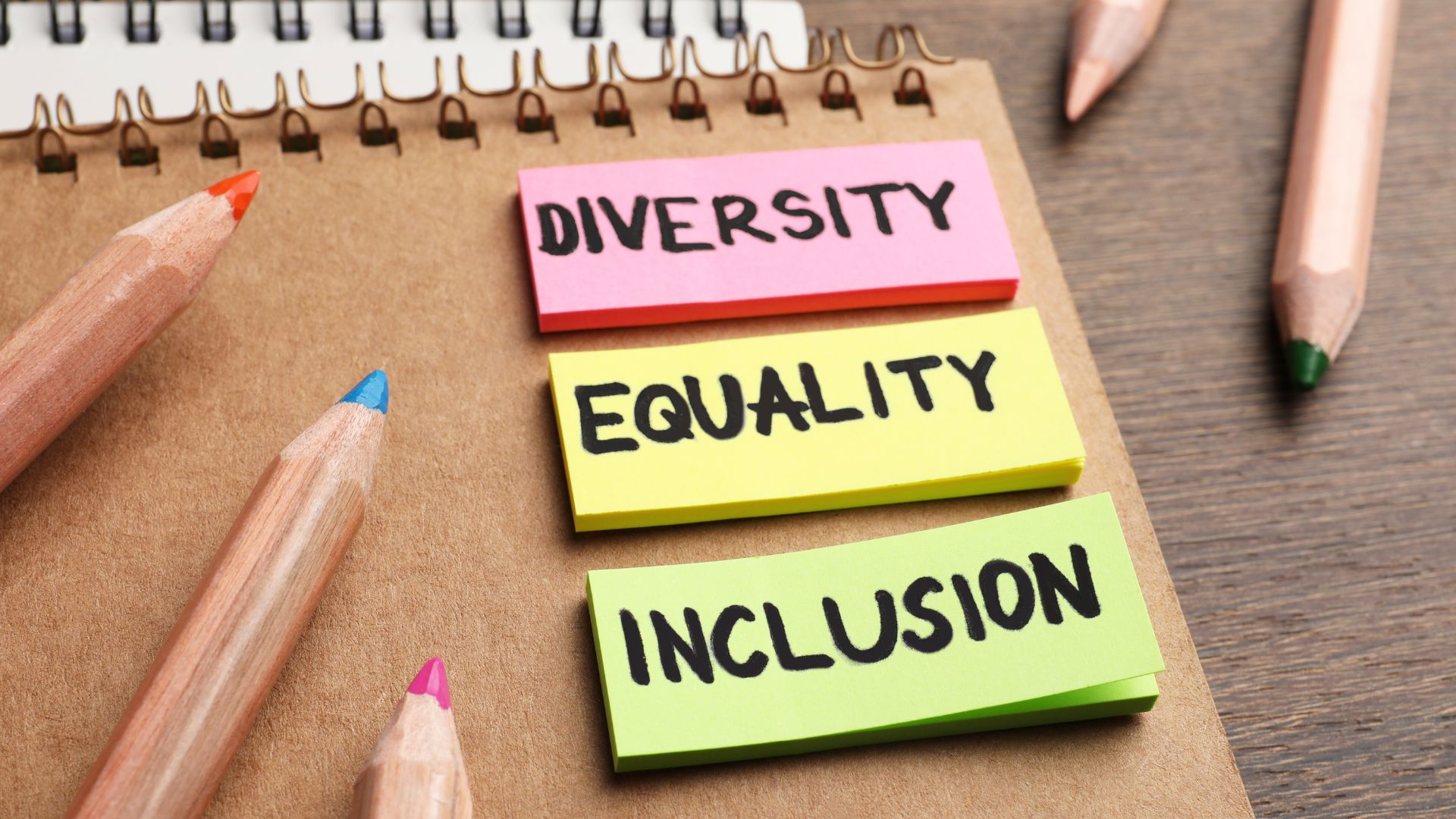
It's crucial to understand the difference between equity and equality. Equality means providing the same resources and opportunities to everyone, while equity recognizes that individuals have different circumstances and allocates resources and opportunities accordingly to achieve equal outcomes. A commitment to equity requires acknowledging historical and systemic disadvantages and actively working to level the playing field.
2. Revamp Hiring Practices to Minimize Bias:
Traditional hiring processes can often perpetuate existing inequalities. To create a more equitable hiring process:
- Use blind resume screening: Remove names, gender pronouns, and other identifying information from resumes during the initial screening process to reduce unconscious bias.
- Standardize interview questions: Use the same set of questions for all candidates for a particular role to ensure a fair comparison.
- Implement diverse interview panels: Ensure that interview panels include individuals from diverse backgrounds and perspectives.
- Focus on skills and potential: Emphasize skills-based assessments and consider candidates' potential for growth rather than solely relying on past experience.
3. Create Mentorship and Sponsorship Programs:
Mentorship and sponsorship programs can provide valuable support and guidance to employees from underrepresented groups, helping them to navigate career challenges and advance within the organization. Sponsorship, in particular, involves advocates actively promoting and championing the careers of their protégés.
4. Ensure Fair Compensation and Benefits:
Regularly review your compensation and benefits packages to ensure that they are equitable across all employee groups. Address any pay gaps identified in your DEI audit and provide benefits that meet the diverse needs of your workforce, such as flexible work arrangements, parental leave policies, and comprehensive healthcare coverage.
5. Set Measurable Goals and Track Progress:
Establish clear, measurable goals for your DEI initiatives and track your progress regularly. This will help you to identify what's working, what's not, and where you need to make adjustments. Be transparent about your progress and share your results with employees to build trust and accountability.
6. Embrace Continuous Learning and Improvement:
Building an equitable workforce is an ongoing journey, not a destination. Stay informed about the latest research and best practices in DEI, and be willing to adapt your strategies as needed. Encourage ongoing learning and development opportunities for all employees to deepen their understanding of DEI issues.
By implementing these tips, organizations can create a more equitable workforce that benefits both employees and the bottom line. An equitable workforce is a stronger, more innovative, and more resilient workforce, well-positioned to thrive in the challenges and opportunities of the future.
Support from myGwork
Learn how myGwork can help leaders to become more inclusive as well as provide support with recruitment, DEI strategies and training, employer branding, and more by downloading the brochure below.