
Trans Day of Remembrance Panel 2022: Recap and Highlights
November 17, 2022In honor of Trans Awareness Week, we recently hosted a panel reflecting on the importance of celebrating and remembering the lives lost in the fight for trans equality and freedom. Speakers from various organizations joined to offer their individual experiences, discussing what Trans Remembrance Day means to them, the challenges they have overcome, and what advice they have for members and allies of the trans community.
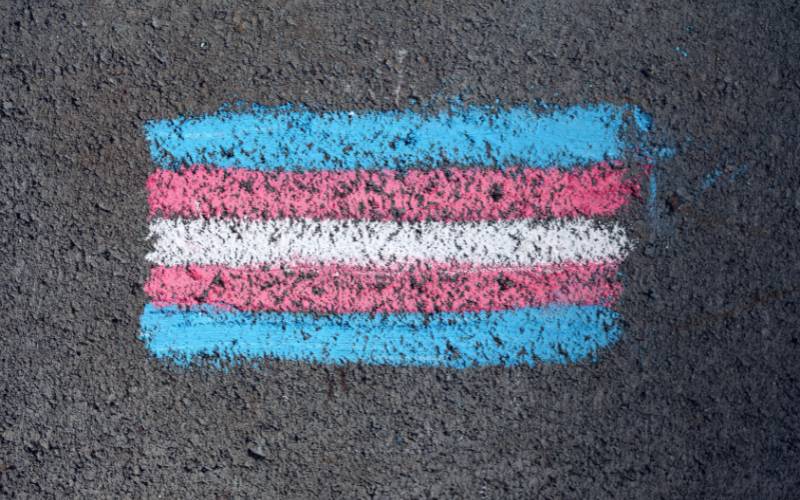
Image Credit: Canva
Trans ally Kevin Lyons (Senior Humans Resources Manager at Pearson) led the discussion, asking the panelists about their experiences and the significance of this commemorative day. Answering his questions were Georgina Partington (Software Developer at Valtech), Alexandra Austin (Diversity Inclusion and Wellbeing Partner at Brewin Dolphin), Brae DeRocher (Senior Project Manager at FIS), Megan Steven (Human Rights Defender at None), and Liam Paschall (Associate Director at Parexel International).
Everyone involved was kind enough to share their transitioning story, each with a completely different journey to the next. It was as empowering as it was disheartening to hear about the perseverance and strength required for our panelists to simply live as their true, authentic selves. Megan Steven provided a perspective from Malaysia, discussing how difficult it is to access adequate healthcare as a trans woman there.
“To meet a psychiatrist is not easy because it costs a lot,” she explains. “Most trans people could not afford it. Even if you can speak to a psychiatrist, they will advise you to have conversion therapy. They brainwash you.”
The panel discussed the importance of celebrating Trans Day of Remembrance and what the occasion means to them. Many spoke out about the sheer loss of life occurring in the trans community, whether it's through thoughtless violence or being driven to suicide, and see the day as an opportunity to reflect upon these losses. Liam Paschall notes that the day should be used as a reminder to keep on fighting for equality and justice.
“On Trans Day of Remembrance, we’ve got to honor those we’ve lost, but also honor the fact that our community is not going away,” Liam discussed. “We’re proud of who we are, we’re going to stick together and we’re going to fight it out.”
Brae DeRocher added his own thoughts, recognizing that it’s important to take a stand where others may not be able to. “Everybody is different no matter where we are within the world,” he said. “Families differ, culture differs. It’s important we recognize that we’re here to fight the fight that other people cannot. Oftentimes we just go on about our day and don’t recognize when people are struggling or what they might be going through. It’s important to stay vigilant.”
An important topic discussed in the panel was considering what workplaces could do to improve conditions for transgender employees. Alexandra Austin gave her own view that companies that have the means to provide private healthcare should make sure that the healthcare involves trans inclusive benefits. “The NHS is utterly failing trans people. If you’re a company that has private health insurance, one thing you can absolutely consider that will have the most tangible benefit to any trans or potentially gender questioning employee will be trans inclusive healthcare benefits.”
Georgina Partington discussed the importance of solidarity and the significance of using prominent platforms for good, stating that “The biggest thing a company can do is put out an explicit public statement in support of trans people and make it absolutely clear that trans people will be welcomed at the company.”
The panel were all in agreement when it came to the topic of the impact of the manufactured panic and damaging rhetoric aimed towards the trans community through the media and social circles. The misconceptions largely outweigh any genuine cause for concern, with social media playing a huge role in perpetuating negative stereotypes around the community.
“There are way more misconceptions than society believes there to be,” voiced Brae DeRocher. “One of our largest downfalls is social media. It has a tendency to spread fear in people, and that leads to misconceptions and misinformation in people who have already been engrained with ideologies around gender and transitioning.”
Alexandra Austin echoes these sentiments, describing the demonization of the community and the toxic perpetuation that the trans community present a danger to society. “The most insidious and difficult part is the creation of a category of an inherently dangerous person,” she said. “You see this being applied to transgender women more than transgender men. That your existence as a trans person is inherently dangerous to other people, and that is something incredibly difficult to counter. That worms its way into your head.”
The panel closed with the participants sharing advice for young trans people, with many of them sharing the same sentiments: keep fighting, find your community and don’t give up.
“Do not let what fears you have right now set your path for tomorrow,” Liam Paschall stated. “Never give up, keep moving forward. Remember you’ve got a whole army of people who are fighting and rooting for you, even if it feels like you’re alone in the moment.”
You can connect with all of the participants from the Trans Day of Remembrance panel via their myGwork page.
Keep up to date with the latest myGnews
Sign up to myGwork
________
LGBTQ+ professionals, LGBTQ+ Graduates, LGBTQ+ professional network, LGBTQ+ professional events, LGBTQ+ networking events, LGBTQ+ Recruitment, LGBTQ+ Friendly organizations, LGBTQ+ Friendly companies, LGBTQ+ jobs