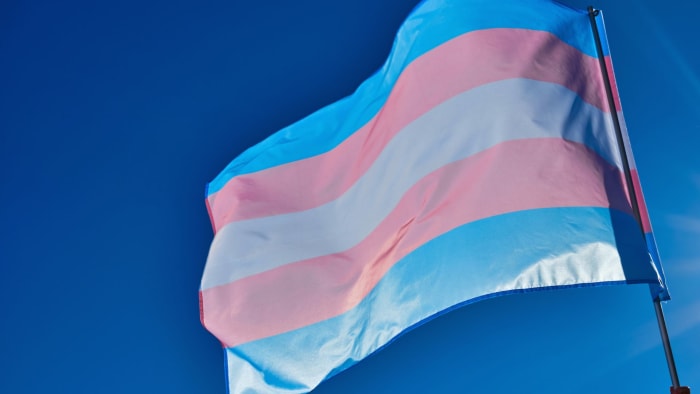
Trans youth athletes pledge to compete on after US Supreme Court upholds state bans
July 1, 2026Transgender student athletes across the United States are vowing to remain in sport and continue pressing for equal access after the US supreme court upheld restrictions on their participation in school teams.
On Tuesday, the court’s conservative majority allowed laws in West Virginia and Idaho to stand, concluding that state bans on trans girls’ participation in girls’ and women’s sports are constitutional. The decision strengthens efforts by anti-LGBTQ+ activists who have sought to roll back transgender rights in education, employment, healthcare and the military, The Guardian reports.
The ruling bolsters similar laws in 25 states that limit or bar trans youth from playing on teams aligned with their gender. LGBTQ+ legal organizations emphasize that the decision does not create a nationwide prohibition and that more than 20 states continue to maintain inclusive policies permitting trans students to join teams that reflect their gender identity.
For many young athletes, the ruling lands in the middle of their school careers.
“Sports have meant a lot in terms of finding community, finding friends, making connections,” said Lina, a trans student who transitioned at age four and has played basketball, tennis, water polo and lacrosse. “The inclusion of trans people in sports creates a domino effect, and if we relent in this battle, we risk giving up the rights of trans people in other areas. We need to stay strong and continue fighting.”
Lina plans to continue competing in the fall. “It’s really special to have a dedicated team outside of academics. It’s scary to think that could be taken away from me, yet I love the joy of competing, sometimes winning and sometimes losing, crying over the losses or celebrating the victories,” she said.
Online abuse has followed her success. After winning a race against her sister in the spring, she faced a wave of vitriol from strangers.
“There were times I considered quitting,” she said. “It’s really daunting to have nameless, faceless adults on the internet commenting horrible things, not only about the fairness of my participation, but about my appearance, my identity, my character. At times when I was really struggling, I always reminded myself there’s a joy and beauty about sports and benefits every kid should be able to access.”
Her mother, Catalina Haaga, said the national political debate frequently erases the very young people most affected.
Haaga described how Lina’s teammates celebrated her win, even as national commentators insisted her participation was unfair. “We’re prioritizing competition over inclusion, tolerance, belonging. We need to zoom out as a nation and ask, what is the greater value at stake? In our home, the answer is belonging is more important than a trophy,” she said.
Anti-trans advocacy groups claim that bans on trans girls and women are necessary to protect women’s sports. LGBTQ+ organizations and many women’s sports advocates point to the absence of credible evidence that inclusive participation policies harm cisgender girls or undermine competition.
Available data shows that openly trans athletes remain extremely rare. The president of the National Collegiate Athletic Association (NCAA) said in 2024 that there were fewer than 10 trans athletes in college sports nationwide. State lawmakers have often struggled, during hearings and litigation, to identify any out trans K-12 athletes in their jurisdictions.
Advocates stress that the impact of the new ruling extends far beyond the small number of publicly known athletes. An estimated 110,000 trans youth aged 13 to 17 live in states with sports bans and face the consequences of exclusionary laws.
In California’s Central Coast region, 17-year-old track athlete Lily Norcross said she will keep running during her final year of high school, though she worries about the wider effect of the court’s decision.
Any time a presidential administration advances anti-trans policies, “we see a noticeable uptick in hate crimes,” she said. “It’s a very real possibility that threats made to me become increasingly more violent to the point where I no longer feel safe to participate.”
Her father, Trevor Norcross, described the emotional burden on families: “It’s devastating as a parent to hear your child have to talk that way and deal with these issues. That’s the goal of the other side. This has never had anything to do with sports or fairness or bathrooms. The agenda is eradication of transgender people.”
Lily said she intends to stay visible. “I will not back down from this fight. I know I’m in a horrible position, and there are so many people out there in Nebraska, Idaho, Texas or Florida who are in so much worse positions than me,” she said.
She also raised practical concerns: “Will there be video surveillance in locker rooms?” she asked, echoing civil rights groups that warn bans can prompt invasive sex-testing regimes. Such systems can subject all girls, including cisgender athletes, to scrutiny about their bodies, medical histories and appearances based on stereotypes.
The New York Civil Liberties Union stated that the ruling does not alter existing civil rights protections for trans youth in New York. The group warned, however, that it will embolden efforts to remove trans children from public life. New York’s attorney general, Letitia James, pledged to continue using state law to challenge discriminatory policies.
Democratic officials across several states condemned the decision. The attorney general of Washington state, the lieutenant governor of Virginia, members of Congress including Senator Ed Markey of Massachusetts and Representative Pramila Jayapal of Washington, and Minnesota governor Tim Walz each reiterated commitments to trans equality in education, healthcare and public spaces.
Abigail Jones, a trans athlete and recent high school graduate from Riverside, California, urged allies to stay engaged. “For trans people, sports can be extremely important and even life-saving for some,” she said. “It does usually grant people subject to a lot of discrimination and hatred a team and community and friendships and bonding.”