
U.S.A.: Consumers increasingly support companies that keep their DEI commitments
February 5, 2025While many large companies have recently succumbed to right-wing pressure to abandon their diversity, equity, and inclusion (DEI) initiatives, new data indicates that fewer consumers are in favour of such decisions. In fact, the data suggests that companies maintaining their DEI commitments could see financial gains.
A recent poll by Morning Consult, a business research firm, found a decline in public support for companies reducing their DEI influence, with a six-point drop for those cutting DEI efforts, a four-point drop for those ending DEI programs entirely, and a five-point drop for decreased DEI funding between July and late November 2024.
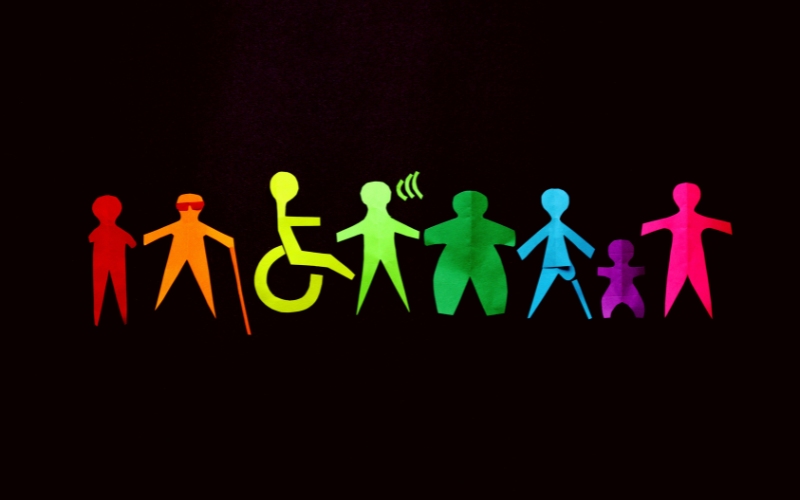
“Market research about DEI paints a clear picture: Regardless of which political party wins in any given election, the American population is becoming more diverse and wants corporate America to reflect this diversity,” wrote Hunter Johnson, CEO of Xpedition, an entertainment and marketing agency affiliated with the National Gay & Lesbian Chamber of Commerce, which has a 30% LGBTQ+ workforce.
According to ‘LGBTQ Nation’, in a recent AdAge publication, Johnson cited data from the Unstereotype Alliance, showing that 75% of U.S.A. consumers believe it’s important to buy from brands that support diversity and inclusion. The alliance’s research also demonstrated that inclusive advertising results in 15% higher customer loyalty, 16% higher long-term sales, and a 62% greater chance of being a consumer’s first choice.
“The election [of Trump] makes it easy to assume that America is becoming more conservative on the whole, and many companies feel compelled to follow suit,” Johnson wrote. “But market research about DEI paints a clear picture: Regardless of which political party wins in any given election, the American population is becoming more diverse and wants corporate America to reflect this diversity.”
Johnson highlighted that, according to Deloitte Insights, 94% of Gen Zers expect companies to take a stand on important social issues, with 26% identifying as “something other than straight.” Moreover, despite Trump’s win, progressive ballot measures passed even in red states, indicating progressive attitudes.
“The notion that brands that ‘go woke, go broke’ should be dismissed as fiction,” Johnson wrote. “Inclusive campaigns boost sales and brand value. Consumers can distinguish between a fair-weather advocate and a company truly rooted in diversity and inclusion. If you're not championing diversity, you will lose customers and market share.”
Companies such as Amazon, McDonald's, Walmart, Stanley Black & Decker, Molson Coors, Jack Daniels, Ford, John Deere, Lowe’s, Target, and Harley-Davidson have recently scaled back on DEI initiatives due to threats from right-wing activists like Robby Starbuck and groups like the National Center for Public Policy Research.
Conversely, companies like Apple, Cisco, Delta, e.l.f. Beauty, Goldman Sachs, JPMorgan Chase, Microsoft, Pinterest, and Salesforce have discreetly maintained their DEI initiatives, as reported by Forbes.
Recent studies indicate an increase in the number of companies committed to LGBTQ+ inclusion, with many advertising executives supporting LGBTQ+ representation.
According to new data from the Human Rights Campaign, 80.1% of LGBTQ+ adults would boycott a company that rolled back DEI measures, with 75.7% developing an unfavourable view of such a company. Additionally, over half (52.5%) would encourage others to join the boycott, with 51.7% removing any profiles, credit cards, or apps associated with the company. Nearly 28% mentioned they would participate in protests or sign petitions against the company.