
U.S.A Supreme Court weighs Colorado's ban on 'conversion therapy'
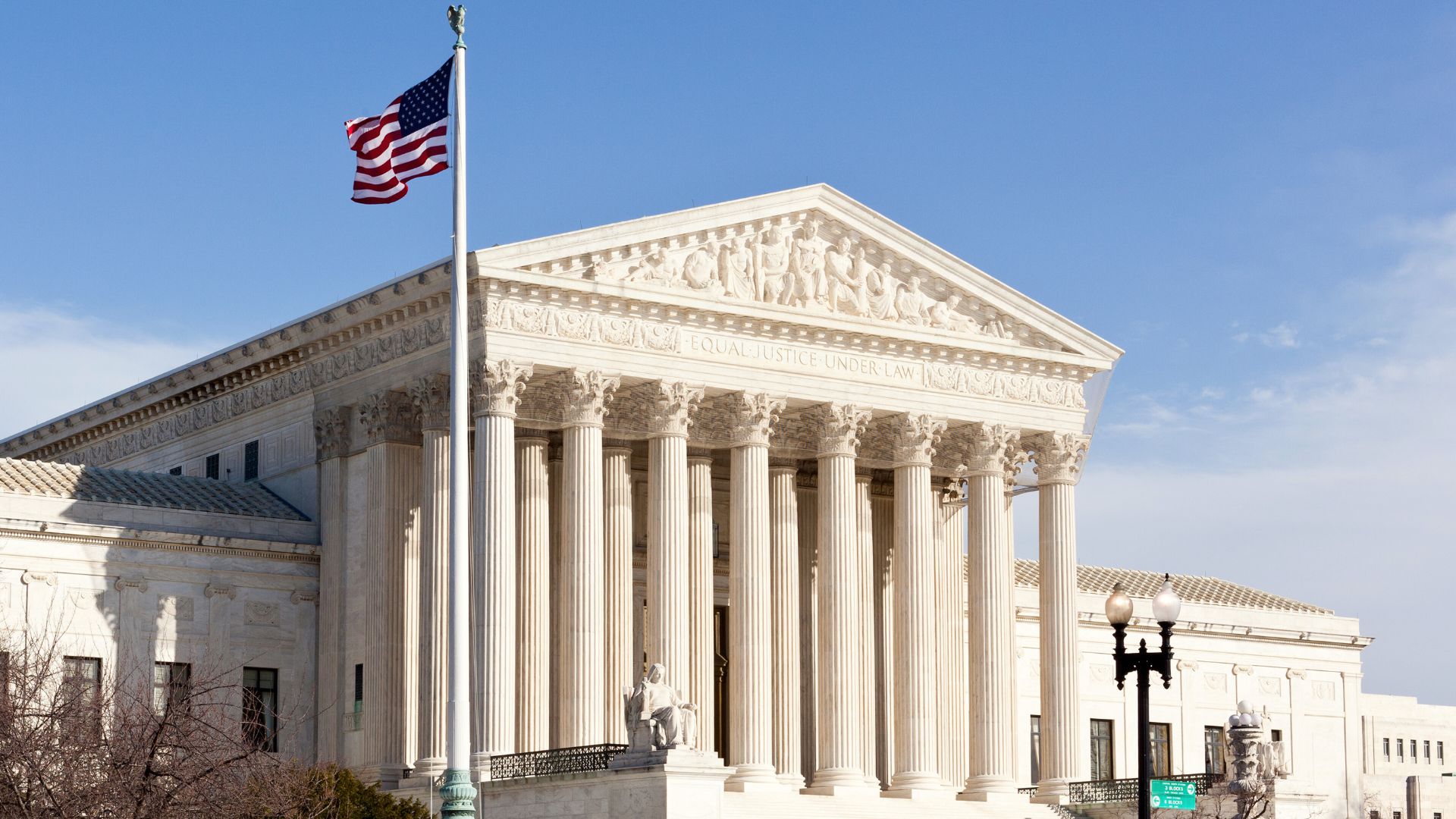
October 8, 2025The United States Supreme Court convened Tuesday to deliberate on a legal challenge to a Colorado statute prohibiting licensed psychotherapists from administering so-called "conversion therapy" aimed at altering the sexual orientation or gender identity of minors.
The case brings into focus the balance between a state's prerogative to safeguard its youth from practices deemed harmful and ineffective by medical consensus, and assertions of free speech rights by a licensed counselor, Kaley Chiles. Chiles alleges the Colorado law infringes upon her First Amendment rights to freedom of speech.
The legal challenge arises from the 2019 statute, enacted by Democratic Colorado Governor Jared Polis, the first openly gay individual to serve as a U.S. state governor. As Reuters reports, Governor Polis has been a vocal critic of conversion therapy and signed the measure into law to protect LGBTQ+ youth from the practice's documented harms. Chiles appealed to the Supreme Court after a lower court rejected her argument that the law unconstitutionally restricts her communication with clients, while the state maintains it regulates professional conduct, not protected speech.
Legal and medical experts emphasize that conversion therapy lacks scientific validity and poses significant risks to the well-being of LGBTQ+ youth. Studies cited by organizations like the American Psychological Association demonstrate a correlation between conversion therapy and increased rates of depression, anxiety, substance abuse, and suicide attempts among minors.
Chiles contends that the Colorado law is intended to "silence and marginalize views it dislikes," asserting her belief that individuals should "live consistently with God's design, including their biological sex." Colorado's statute prohibits licensed mental healthcare providers from attempting to change a minor's sexual orientation or gender identity in alignment with a predetermined outcome, with violations subject to fines of up to $5,000. The law explicitly excludes treatments providing support for individuals undergoing gender transition, or therapies centered on acceptance, exploration, and understanding of identity.
Chiles initiated legal proceedings in 2022, arguing the law unlawfully discriminates against her speech based on its content. A U.S. District Judge, appointed by former Democratic President Joe Biden, ruled against Chiles, affirming that Colorado's ban constitutes a permissible regulation of professional conduct, not speech, and that conversion therapy is demonstrably harmful to LGBTQ+ minors. This ruling was subsequently upheld by the 10th U.S. Circuit Court of Appeals, leading to Chiles' appeal to the Supreme Court.
Colorado has urged the Supreme Court to uphold its law, emphasizing the state's compelling interest in safeguarding the mental health and well-being of its youth. The state argues that it routinely regulates healthcare practices, including talk therapy, to prevent substandard care and protect vulnerable populations.
Chiles is represented by the Alliance Defending Freedom, a conservative religious rights organization. The Supreme Court's decision, expected by the end of June, will have significant implications for LGBTQ+ rights and the regulation of healthcare practices. The court is concurrently considering other cases pertaining to LGBTQ+ rights, including challenges to state laws banning transgender athletes from participating in women's sports teams. Recent decisions by the court have raised concerns among LGBTQ+ advocates, including upholding a ban on gender-affirming care for transgender minors and allowing the exclusion of LGBT-inclusive books from school curricula.