
Understanding the lexicon of Gender, Sex, and Sexuality
March 4, 2025Navigating the terms related to gender, sex, and sexuality can sometimes feel like trying to solve a puzzle with missing pieces. Each of these concepts plays its own unique role in our understanding of human identity and experience. Let’s break them down in a way that’s clear and approachable for everybody.
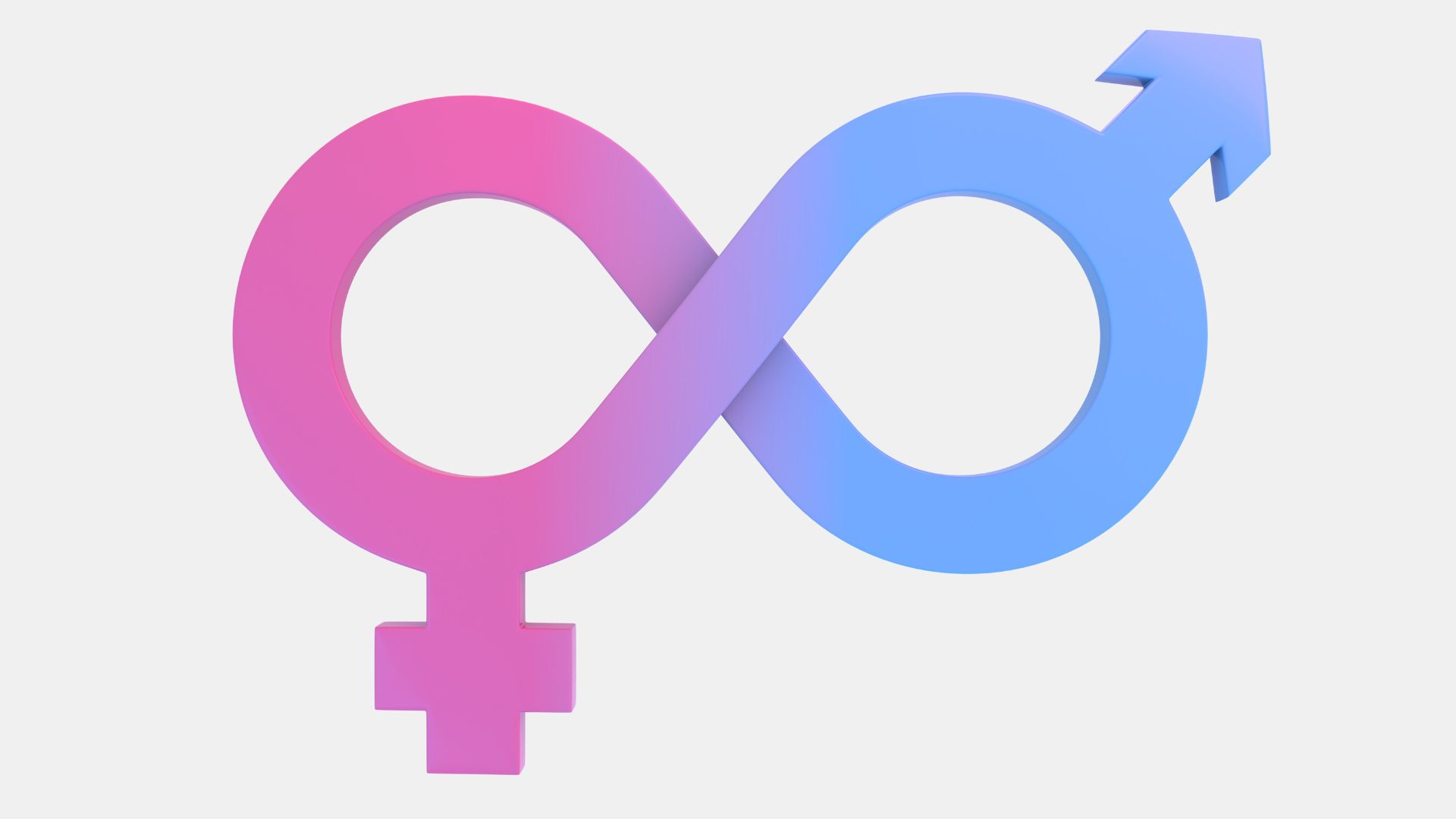
Sex:
At its core, sex refers to the biological characteristics that differentiate humans as male or female. This includes physical attributes such as chromosomes, hormone levels, and reproductive organs. Typically, people are assigned male or female at birth based on these physical traits.
However, it’s important to recognize that not everyone fits neatly into this binary. Intersex people, for example, may possess a combination of male and female physical characteristics, leading to a broader understanding of what sex means in a biological context.
Gender:
Gender goes beyond biological differences and delves into the societal roles and expectations associated with being male or female. It's about how we identify ourselves and how society perceives us.
Gender can be thought of as a spectrum, with traditional labels like male and female on opposite ends, but many identify as non-binary, genderqueer, or transgender. Non-binary people may feel that their gender identity doesn’t align strictly with being male or female, while transgender people have a gender identity that differs from the sex they were assigned at birth.
The gender spectrum acknowledges that gender is not binary, and it’s shaped by culture, personal experiences, and, importantly, individual choice. The language we use around gender is evolving, and many people appreciate being referred to by their chosen pronouns, such as he, she, or they.
Sexuality:
Sexuality refers to the way individuals experience and express their sexual orientation or attraction to others. This encompasses a wide range of identities, including heterosexual (attracted to the opposite sex), homosexual (attracted to the same sex), bisexual (attracted to both sexes), and many others, including pansexual and asexual.
Sexuality is often viewed as fluid; many people may find their attractions change over time, and they may identify differently throughout their lives. The fluidity of sexuality reflects the diversity of human experiences and the importance of respecting everyone’s unique journey.
The Interconnection:
While sex, gender, and sexuality are distinct concepts, they are interconnected. For instance, someone assigned female at birth (sex) might identify as male (gender) and be attracted to women (sexuality). This complexity illustrates how layered human identity can be.
Understanding these differences helps encourage a more inclusive and accepting society. Recognizing that each person’s experience with sex, gender, and sexuality is valid and important contributes to greater empathy and connection among individuals.
The lexicon surrounding gender, sex, and sexuality is diverse and continually evolving. Embracing this complexity allows us to honor and celebrate the rich tapestry of human identity. When we take the time to learn about and respect these terms, we work towards to a world that values authenticity and individuality. Whether you’re part of the LGBTQ+ community or an ally, the journey towards understanding and acceptance starts with conversation and education. So let’s keep that dialogue going!