
United States isolated at UN over opposition to inclusive language affirming gender equality and LGBTQ+ rights
January 6, 2026The United States found itself diplomatically isolated at the United Nations this month, casting the sole dissenting votes against two significant resolutions concerning humanitarian assistance and the protection of aid workers. The Trump administration’s opposition centered on its rejection of language pertaining to gender equality, sexual and reproductive health, and other inclusive terms, which it broadly characterized as promoting "gender ideology." This stance marked a stark divergence from the international community, underscoring a contentious ideological battle on the global stage.
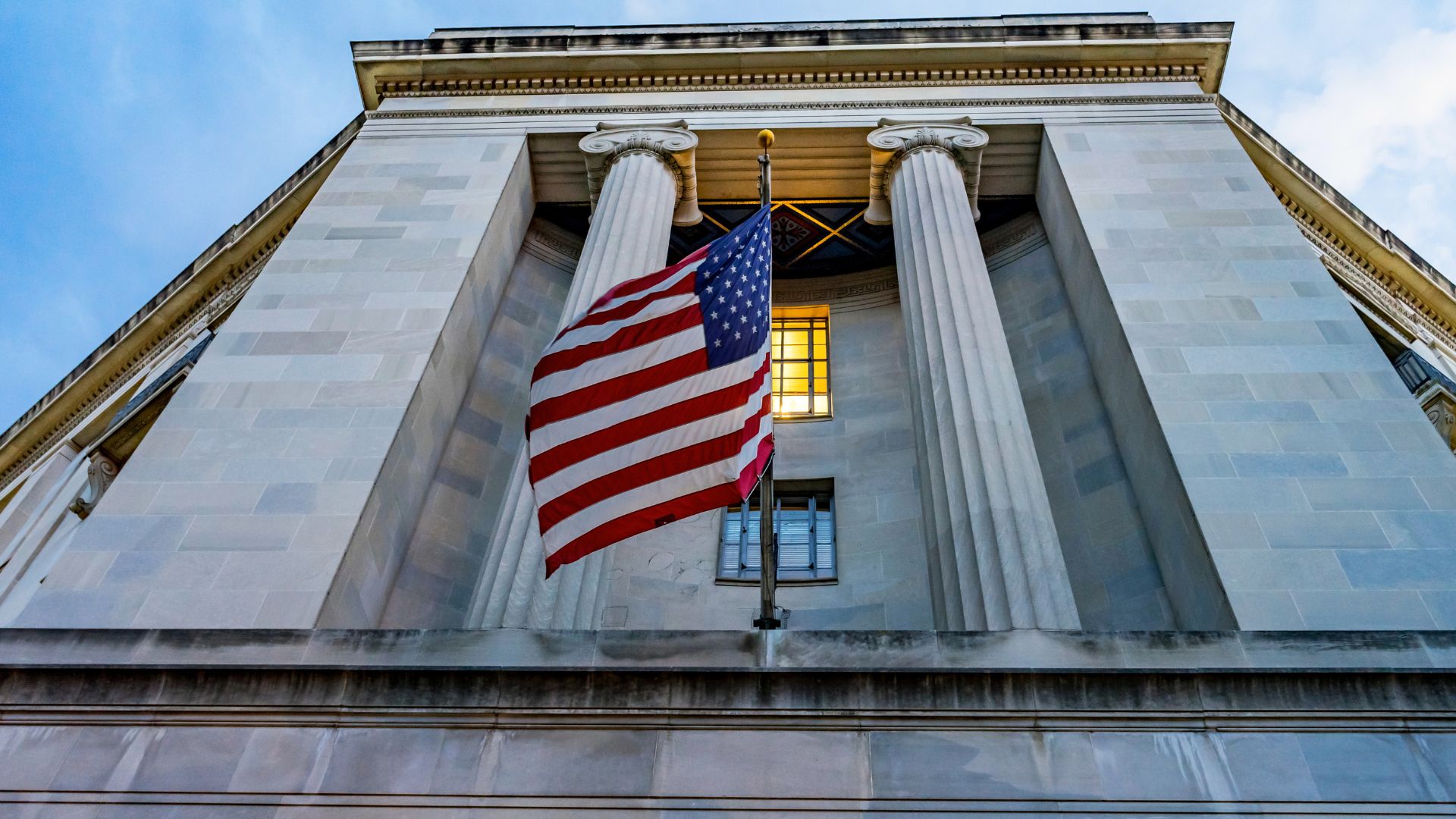
In preliminary discussions and subsequent votes, representatives from the United States voiced strong objections to the texts of resolutions that have historically garnered broad, often unanimous, support from member states. These resolutions, designed to facilitate crucial humanitarian efforts and disaster relief, became platforms for the administration’s broader critique of what it termed "woke" policies, LGBTQ+ Nation reports.
Jonathan Shrier, a deputy U.S. representative to the U.N., critically described the disaster assistance resolution as "nothing more than a globalist wish list of divisive cultural causes including climate, sexual and reproductive health, gender, and the perverse donor-recipient industrial complex." He further characterized it as "another example in a growing list of performative resolutions that detract from the United Nations’ core mandate of maintaining international peace and security."
Earlier in the drafting process, another U.S. representative had already challenged terminology surrounding "sexual and reproductive healthcare," asserting that such language carried "highly controversial meanings conflating this term with notions of abortion, LGBTQ and other sexual rights." The administration also dismissed emphasis on climate change as "wildly off-track."
Despite widespread expectations for consensus, the United States demanded formal votes on both documents, publicly denouncing the measures. Shrier articulated specific concerns regarding the "myriad controversial new meanings that ‘sexual and reproductive health’ terminology has acquired," explicitly mentioning "abortion rights, transgender ideology, and sexual autonomy for children." He emphasized that the U.S. would not endorse "a blanket endorsement of those new meanings."
"Many colleagues across the UN system, including the sponsors of this resolution, have become obsessed with the green new scam, gender insanity, and other terrible ideas," Shrier added, signaling a demand for the complete removal of such language from UN documents.
Regarding the resolution for the protection of humanitarian workers, the U.S. representative stated, "The Trump Administration has been clear that efforts to advance radical gender ideology in the UN will not be supported, and, in fact, distract from and directly undermine the real work to protect and promote the rights of women and girls around the world." However, the specific reference to gender in that document was limited to: "We recognize gender equality as fundamental to equitable and gender-responsive humanitarian assistance, and therefore, we commit to ensure the full, equal, safe and meaningful participation of female humanitarian personnel."
When the votes were tallied, the resolutions passed overwhelmingly with 161-1 and 153-1, respectively. In both instances, the United States stood as the solitary dissenting voice among the world's nations.