
Unprecedented LGBTQ+ representation set for 2026 Milan Winter Olympics
February 3, 2026The upcoming 2026 Winter Olympic Games in Milan are poised to host a record-breaking contingent of openly LGBTQ+ athletes. With at least 44 publicly identified gay, lesbian, bisexual, transgender, and queer competitors confirmed, the Milan Games will feature the largest "Team LGBTQ+" in Winter Olympics history, a number that is anticipated to grow as the February 6 commencement approaches.
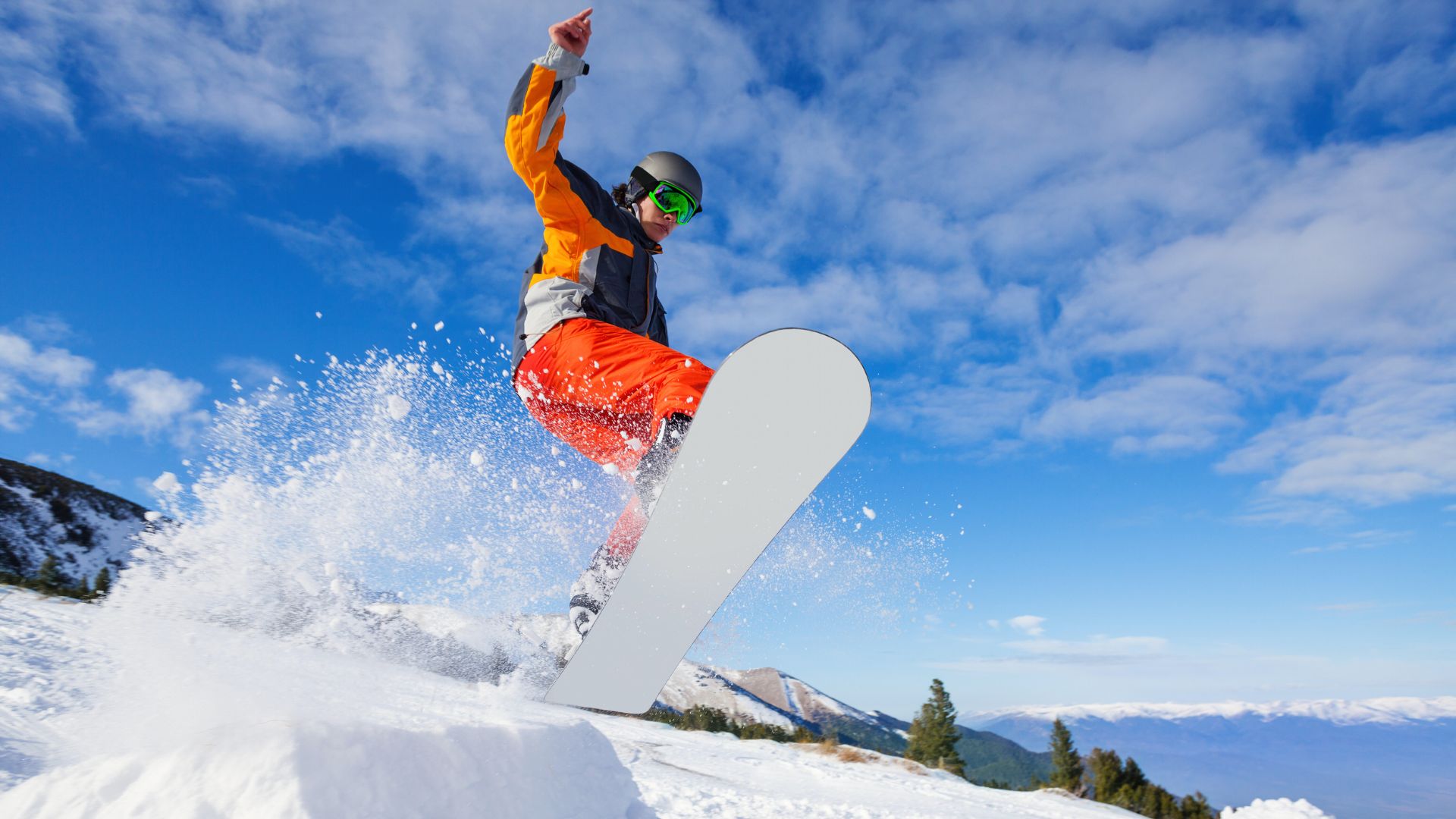
This diverse group includes eight American athletes, constituting approximately three percent of Team USA, with representation from seven women and one man, speedskater Conor McDermott-Mostowy. Notably, Amber Glenn, a prominent American figure skating medal contender, will make history as the first openly LGBTQ+ woman figure skater to compete at the Olympic level. OUTsports reports that the Games will also mark another significant milestone with Elis Lundholm of Sweden, a moguls skier, becoming the first publicly identified transgender athlete in Winter Olympics history.
The demographic breakdown reveals 34 openly queer women and 10 openly queer men, a ratio of roughly 7-2. This differs from the Summer Games' approximately 9-1 ratio, largely due to the prevalence of team sports in winter disciplines where openly queer women are more common. Ice hockey stands out with 22 openly LGBTQ+ players, all women, making it the sport with the highest concentration of queer athletes. In contrast, figure skating shows a reverse trend with at least six openly gay male skaters and one woman. Other sports featuring openly LGBTQ+ athletes include skiing (alpine and freestyle) with six, speed skating with four, skeleton with two, and one athlete each from snowboarding, curling, and biathlon. This remarkable cohort represents at least 13 nations globally.
The escalating presence of openly LGBTQ+ athletes at the Olympics mirrors a consistent trend observed in recent Games. The 2022 Winter Games featured 36 openly queer Olympians, a substantial increase from 15 in 2018 and seven in 2014, marking a sixfold rise in twelve years. Similarly, the 2024 Paris Summer Games showcased a record 199 openly LGBTQ+ competitors.
Many openly queer Olympians emphasize that public visibility and the freedom to authentically express themselves are crucial motivations for their decision to come out. Amber Glenn, reflecting on her journey, shared with Outsports, "I’ve always been physically capable. That was never a question. It was always a mental and competence problem. It was internal battles for so long: when to lean into my strengths and when to work on my weaknesses, when to finally let myself portray the way I am off the ice on the ice. That really started when I came out publicly.”
U.S. speedskater Conor McDermott-Mostowy, who publicly came out in 2021, noted his previous reluctance to openly discuss his sexuality, in part to challenge stereotypes. “I think I’ve kind of always had that at the back of my mind,” he stated when first coming out. “I don’t want to talk about being gay, because there’s a stereotype that gay guys aren’t athletic, and I don’t want that to be held against me or used to justify a bad result. I’ve been uncomfortable with that. But I feel like at this point, no one can say anything.” After overcoming an illness that prevented his 2022 Olympic bid, McDermott-Mostowy excelled at this month's Olympic trials, securing his debut berth. Reflecting on the impact of his public identity, he added, “When I first came out, I had put a bandage on a wound. But now … talking about it publicly and freeing myself gave me the opportunity to remove that bandage and to let the wound breathe. And there’s no wound anymore. It was over. It made me feel good. And if it helped other people, it helps me feel better too.”
The final count of openly LGBTQ+ athletes for Milan is expected to increase beyond the initial 44. Historically, subsequent additions are common, as evidenced by three more athletes being identified within a day of the initial announcement for this Games. The process of compiling this data often involves reviewing social media profiles for indicators of LGBTQ+ identity and then seeking direct verification, acknowledging challenges such as language barriers and differing approaches to public identity among male and female athletes. For instance, French hockey player Lore Baudrit was confirmed after her social media indicated a partnership with retired French hockey player Marion Allemoz, which she subsequently verified.