
US Supreme Court Case To Expand Religious Exemptions Could Harm LGBTQ+ People
January 18, 2023The US Supreme Court will hear a religious expression case that could have serious negative outcomes for the LGBTQ+ community.
The case, Groff v. DeJoy, involves Gerald Groff, a former US Postal Service (USPS) worker who, due to his religious beliefs, wanted an exemption from working on Sundays, according to LGBTQ Nation.
“Observing the Sabbath day is critical to many faiths – a day ordained by God,” said Randall Wenger, chief counsel at the Independence Law Center, the religious conservative legal firm representing Groff. “No one should be forced to violate the Sabbath to hold a job.”
Employers are required to “reasonably accommodate” their workers’ religious practices in so as to inflict as little “undue hardship on the conduct of the employer’s business” as possible, Vox explains.
Religious conservatives have long wanted protections for forcing their beliefs on others. The Supreme Court’s current 6-to-3 conservative majority has already shown a willingness to blur the separation of church and state – just as it did in its 2022 ruling in favor of a football coach whose allegedly “private” and “quiet” prayers actually involved him regularly pressuring other team members to pray in the locker room and the 50-yard-line.
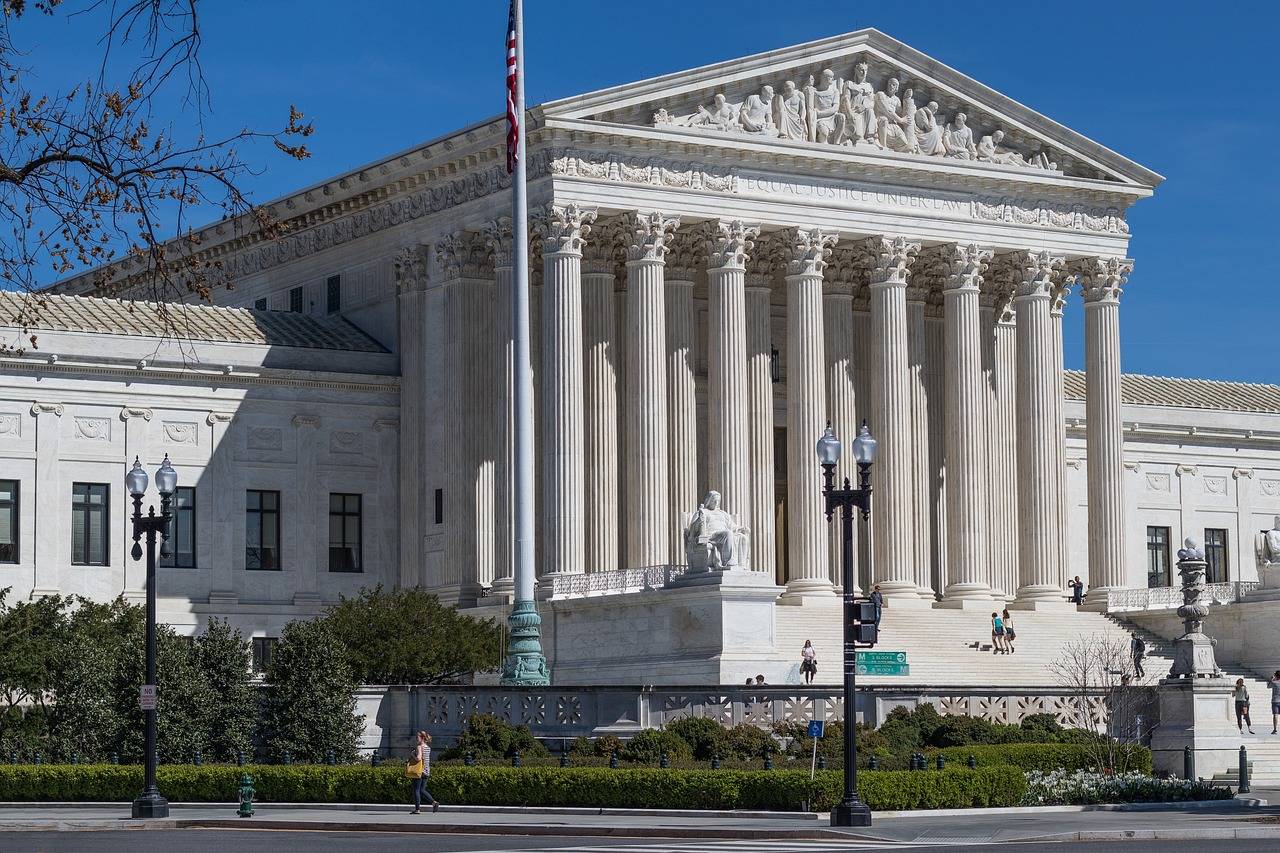 Image Credit: Pixabay
If the court rules in favor of Groff, it could open a Pandora’s Box of lawsuits, especially since individual judges would have to determine what reasonable religious accommodations look like on a case-by-case basis.
Employees could refuse to serve LGBTQ+ patrons, much like the web designer in the case of ‘303 Creative LLC v. Elenis’, another current Court case about whether Christians can defy anti-discrimination laws. Religious bosses could also refuse to hire any LGBTQ+ applicants.
Accommodating the requests of religious workers could burden other workers who have to pull up the resulting slack. Groff himself worked in a post office with just three employees. Because the USPS delivers Amazon packages on Sunday, Groff’s three co-workers were forced to cover for his absence.
The Court’s 2014 Hobby Lobby decision already allows non-publicly traded businesses with one or a few owners to deny federally protected legal rights to employees, based on owners’ religious beliefs. Hobby Lobby won the right to deny covering employees’ contraceptives and reproductive healthcare, arguing that such coverage went against the owner’s Christian beliefs about sex.
If the Groff case is decided in the Christian worker’s favor, individual supervisors working in large corporations could begin requesting the right to exempt employees from LGBTQ+-related healthcare and familial benefits or non-discrimination protections. If a company’s leadership refuses, they could find themselves dragged into court, and most US courts now have Republican-appointed judges who are likely to rule in favor of religious people.
Read related myGwork articles here:
Supreme Court Could Side With Anti-LGBTQ+ Web Designer In Civil Rights Case
US Supreme Court Allows Jewish University to Deny LGBTQ+ Group
Supreme Court To Hear Hate Group Lawsuit That Could Overturn LGBTQ+ Protections
Keep up to date with the latest myGnews
Sign up to myGwork
________
LGBTQ+ professionals, LGBTQ+ Graduates, LGBTQ+ professional network, LGBTQ+ professional events, LGBTQ+ networking events, LGBTQ+ Recruitment, LGBTQ+ Friendly organizations, LGBTQ+ Friendly companies, LGBTQ+ jobs