
US Supreme Court weakens privacy safeguards for transgender students in California
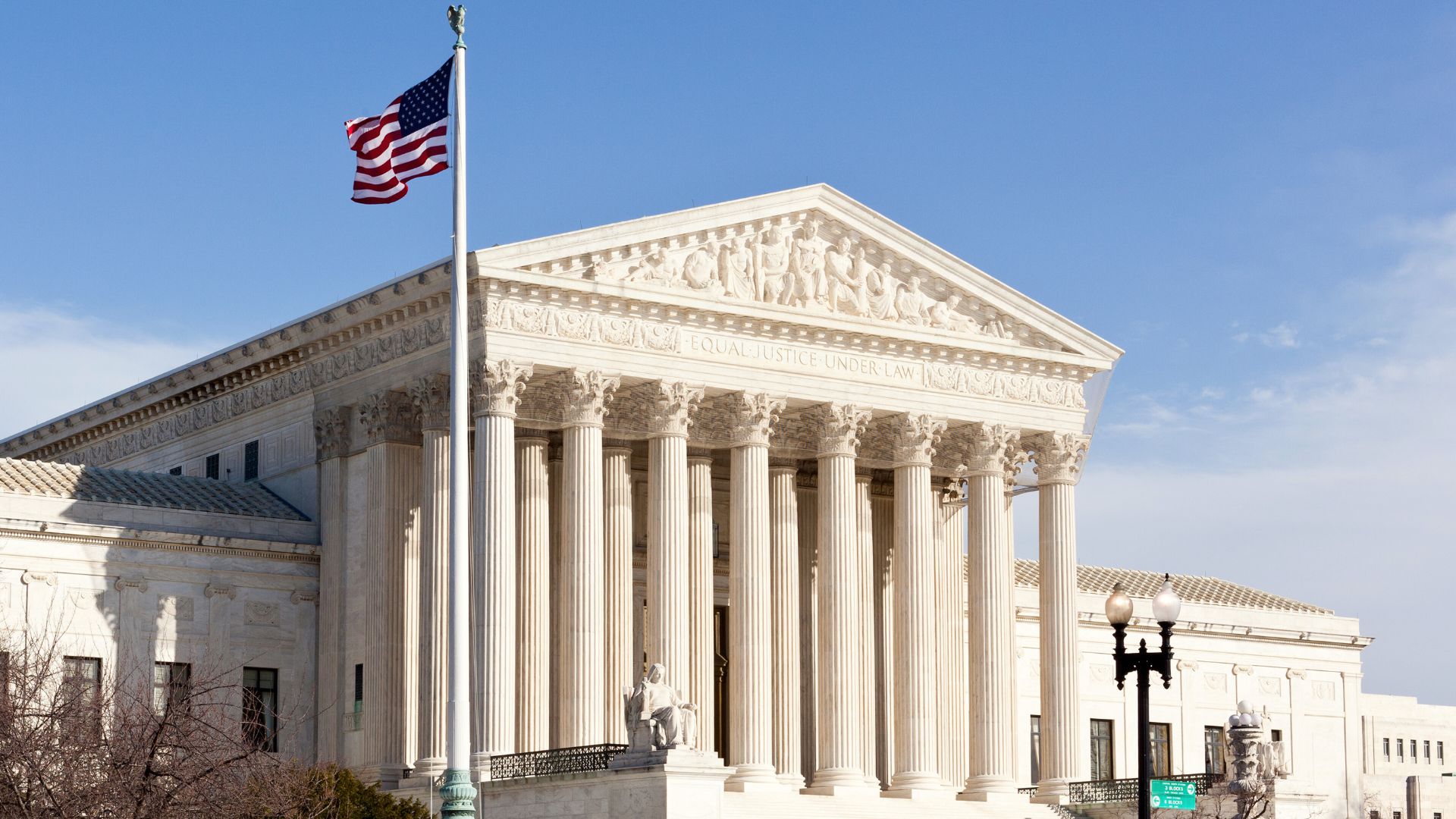
March 4, 2026The US supreme court has temporarily blocked the enforcement of California laws designed to protect the privacy of transgender students in public schools, siding with parents who argued that the measures infringed on their constitutional and religious rights.
In an emergency order issued on Monday, the court’s conservative majority granted a request to lift restrictions that had limited when and how schools could disclose a student’s gender identity to parents or guardians. The three liberal justices dissented, as the Guardian reports.
California’s legal framework, including its state constitutional right to privacy, has been interpreted to shield transgender students who object to their gender identity being shared at home—often out of concern about potential hostility, rejection or violence. Advocates say these protections are a critical safeguard for vulnerable young people, particularly those who may not be safe if forcibly outed.
The dispute stems from more than two years of litigation in state and federal courts. In 2023, two southern California teachers filed suit in federal district court against the Escondido Union School District, arguing that policies limiting parental notification violated what they described as a fundamental right of parents to direct the “care, custody, control, and medical care” of their children. The complaint claimed that restrictions on disclosure around a student’s gender identity could cause emotional and physical harm to families.
Two devoutly Catholic married couples later joined the case, asserting that their children had socially transitioned at school as transgender boys without their parents’ knowledge or consent. They alleged that this violated their religious freedom and their due process rights under the 14th amendment to direct the upbringing of their children.
In December, US district judge Roger Benitez ruled in favor of the plaintiffs and issued an order blocking the California measures. On 5 January, the ninth US circuit court of appeals stayed Benitez’s ruling, pointing to what it described as multiple errors in his legal analysis and allowing the protections to remain in force while the case proceeded.
The supreme court’s intervention has now lifted the appeals court’s stay, reinstating Benitez’s order and weakening privacy protections for transgender students while the broader legal battle continues. LGBTQ+ rights organizations warn that the ruling will place more young people at risk by forcing some into unsafe home environments and chilling their willingness to seek support at school.
The decision comes as the court weighs another high-stakes case affecting transgender youth. On 13 January, the justices heard arguments in a challenge brought by Lindsay Hecox, a college runner in Idaho, and Becky Pepper-Jackson, a 15-year-old high school student, to Republican-backed laws in Idaho and West Virginia that bar transgender girls from participating in girls’ sports. A majority of justices appeared inclined to uphold those bans, a move that could further narrow protections for transgender people and set a far-reaching precedent for LGBTQ+ rights across the United States.