
What a new survey on Dutch teen attitudes reveals about LGBTQ+ inclusion
September 29, 2026LGBTQ+ acceptance among school-age boys in the Netherlands has declined dramatically, raising alarms in a country long regarded as a leader on equality.
A new Europe-wide HBSC (Health Behaviour in School-Aged Children) survey shows that only 22% of Dutch boys aged 12 to 16 now say they have a positive view of homosexuality. In 2021, that figure stood at 40%. The data points to a steep erosion of support in just four years.
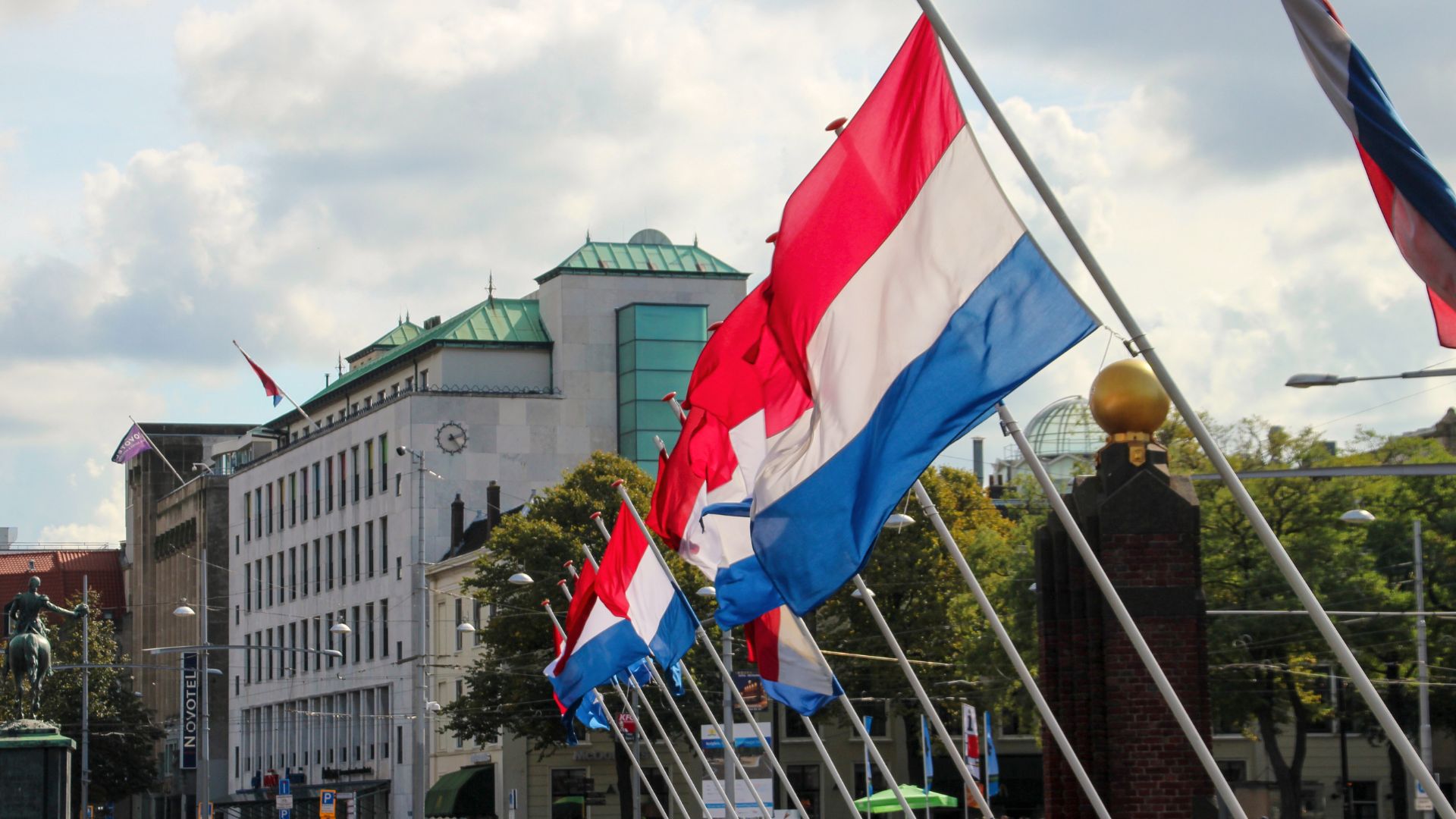
Professor Gonneke Stevens of Utrecht University, who led the Dutch segment of the research together with the Trimbos Institute, called the findings a serious reversal after decades of rising acceptance of same-sex relationships, Dutch News reports.
“Sexual diversity has increasingly come under pressure in recent years, including through statements by high-profile figures and politicians,” Stevens said. “We see that young people are taking these messages on board.”
Girls remain more supportive of homosexuality than boys, yet their acceptance has also fallen significantly. In 2021, 78% of girls in the same age group expressed a positive view; the latest survey shows that this has dropped to just over half, at 51%.
Influence of the ‘manosphere’ and online hate
Researchers see a strong connection between the decline in acceptance and the growth of misogynistic and anti-LGBTQ+ content on social media, often grouped under the label “manosphere”.
Stevens noted that teenagers are spending more time on platforms where aggressive and discriminatory narratives about women and LGBTQ+ people circulate widely. “During the same period in which these messages have become more prominent online, attitudes among young people towards homosexuality have grown more negative,” she said.
Dutch LGBTQI organization COC described the survey results as deeply concerning for the country’s democratic values and social cohesion. Director Marie Ricardo warned that the erosion of acceptance among younger generations threatens the foundations of an open society. “We need young people who stand for a free country, where everyone can live as themselves,” she said.
Government concern and potential regulation of platforms
Prime Minister Rob Jetten, who plans to marry his male partner Nicolás Keenan next year, called the findings “shocking” in an interview with RTL Nieuws. He emphasised the powerful role of digital platforms in shaping young people’s views.
Jetten said that the government will examine ways to put pressure on social media companies when large volumes of content appear that harm young people and contribute to discrimination. He signalled that stricter expectations, and potentially stronger regulatory approaches, may be on the table if platforms fail to act against hateful narratives.
Heated battles over education and culture
The decline in acceptance is occurring alongside a broader cultural clash in the Netherlands over sexuality education and LGBTQ+ inclusion in schools and children’s literature.
Hardline conservative groups have campaigned aggressively against teaching tolerance, spreading misleading claims that link homosexuality with paedophilia. These campaigns have targeted individual authors and organisations that work on inclusive education.
In 2023, children’s author Pim Lammers went into hiding after receiving death threats. His book “De Boer en de Dierenarts” (“The Farmer and the Vet”), which features a same-sex relationship, was attacked by the radical Catholic group Civitas Christiana after Lammers was asked to write a poem for children’s book week. The online harassment and threats highlighted the personal risks that LGBTQ+ creators and allies can face when they become symbols in broader ideological conflicts.
Sex education organisation Rutgers, which runs the annual “Week van de Lentekriebels” (“Spring Fever Week”) in schools, has also been a frequent target. Civitas Christiana produced a so-called “black book” accusing Rutgers and others of “sexualising” children.
Rutgers took the organisation to court and won a ruling banning Civitas Christiana from spreading false claims and distributing the black book. The Dutch Court of Appeal upheld that decision in May, affirming that misinformation about sexuality education and LGBTQ+ inclusion can have legal consequences.
Why this matters for the workplace
Attitudes formed in adolescence shape how tomorrow’s workforce treats LGBTQ+ colleagues, customers and business partners. A decline in acceptance among young people in a highly developed economy such as the Netherlands is a warning signal for employers everywhere.
Key implications for organisations include:
- Talent and retention: LGBTQ+ employees and allies increasingly prioritise safe, inclusive workplaces. Hostile cultural trends can lead to higher turnover, reduced engagement and reputational risk for companies perceived as indifferent to equality.
- Team performance and innovation: Diverse teams that operate in an environment of respect generally collaborate more effectively and perform better. When anti-LGBTQ+ narratives gain ground, psychological safety erodes, and with it the quality of decision-making and creativity.
- Brand and customer trust: Younger consumers and clients pay close attention to how companies respond to discrimination. Businesses that clearly support LGBTQ+ inclusion and challenge harmful narratives are better placed to secure loyalty and maintain global partnerships.
- Compliance and risk management: As courts and regulators respond to hate speech and misinformation, organisations must ensure their internal policies, training and digital communications align with equality laws and human rights standards.
Business leaders who want inclusive, future-ready organisations benefit from investing in LGBTQ+ education, allyship programmes and clear zero-tolerance policies on harassment, both offline and online.
For companies and professionals seeking practical tools and a global community that supports LGBTQ+ inclusion at work, joining myGwork offers access to resources, role models and inclusive employers committed to building workplaces where everyone can be themselves.
Interested in becoming a corporate member? Click here for more info.