What are "KPIs" and "OKRs" - and why use them?
January 28, 2024In the business world, buzzwords like KPIs and OKRs often get tossed around in meetings and strategy sessions. But what do these acronyms actually mean, and why are they important? If you’ve ever nodded along while secretly Googling these terms under the table, you’re not alone. Let’s break it down in simple terms.
KPIs: Key Performance Indicators
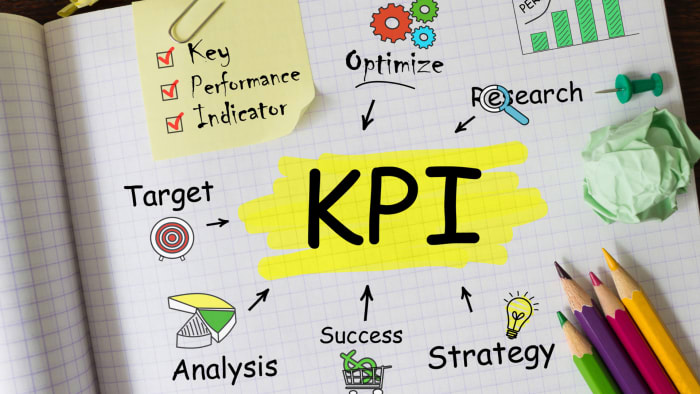
A KPI, or Key Performance Indicator, is exactly what it sounds like: a measurable value that shows how effectively a team, department, or organization is achieving its goals. Think of KPIs as your business’s scorecard.
For example:
- In sales, a KPI might be the number of new customers acquired in a quarter.
- For a customer support team, it could be the average time it takes to resolve an issue.
KPIs are specific, measurable, and tied to ongoing performance. They help you answer the question, “Are we on track?”
Why use KPIs?
Clarity: They provide a clear picture of success.
Focus: Teams know what to prioritize.
Accountability: Progress (or lack of it) is easy to track and adjust.
However, KPIs can sometimes become overly granular or misaligned with larger objectives, which is where OKRs come into play.
OKRs: Objectives and Key Results
An OKR, or Objective and Key Result, is a goal-setting framework that combines a broad objective with specific, measurable key results. OKRs are more dynamic than KPIs and are used to set ambitious goals that drive change or growth.
Here’s how they break down:
1. Objective: What you want to achieve. It’s aspirational, inspiring, and qualitative.
2. Key Results: How you measure success. These are specific, measurable outcomes tied to the objective.
Example:
Objective: Increase brand visibility.
Key Result 1: Gain 10,000 new social media followers.
Key Result 2: Publish 15 articles in top-tier industry publications.
Key Result 3: Improve website traffic by 30%.
OKRs encourage teams to think big while maintaining measurable accountability. Unlike KPIs, which are often tied to ongoing performance, OKRs focus on growth, innovation, and change.
Why use OKRs?
Alignment: They ensure that everyone is working toward the same goals.
Ambition: They encourage teams to aim higher.
Agility: OKRs can be updated or adjusted as priorities evolve.
KPIs vs. OKRs: What’s the Difference?
KPIs measure performance; OKRs drive growth. KPIs are about monitoring ongoing success, while OKRs are about pushing boundaries.
KPIs are steady; OKRs are dynamic. KPIs focus on consistency, while OKRs often shift with quarterly or yearly priorities.
KPIs are specific; OKRs start broad. KPIs are narrow metrics, while OKRs begin with ambitious objectives and narrow down to actionable results.
Why Use Them Together?
KPIs and OKRs aren’t mutually exclusive—they complement each other. KPIs help you track the steady progress of your operations, while OKRs keep you focused on bigger, transformative goals. Together, they create a balanced approach to performance management and strategic growth.
For example: A marketing team might use KPIs like website traffic and email open rates to monitor day-to-day performance while pursuing OKRs to launch a major rebranding initiative.
Final Thoughts
KPIs and OKRs are powerful tools that give organizations clarity, focus, and a way to measure success. Whether you’re tracking progress toward steady goals or setting ambitious new ones, understanding how to use these frameworks can keep your team aligned and motivated.
So next time these acronyms come up in a meeting, you’ll not only know what they mean—you’ll also know how to make them work for you.