
What Does LGBTQIA+ Mean: Workplace Inclusion Impact
December 31, 2025Over half of American LGBTQ+ employees have encountered workplace exclusion, yet many still struggle with the true meaning behind LGBTQ+ advocacy. For professionals striving for career growth and authentic inclusion, understanding this acronym is not just about identity—it is about making workplaces genuinely welcoming. This guide clarifies each identity, dispels myths, and offers practical strategies to help American professionals foster stronger, more inclusive environments.
Defining LGBTQIA+: Core Meaning and Common Misconceptions
The LGBTQIA+ acronym represents a vibrant, diverse community encompassing multiple sexual orientations, gender identities, and expressions. Foundational concepts reveal this acronym is more than just letters—it’s a powerful statement of human diversity and inclusivity.
Breaking down the acronym, each letter represents a unique identity: Lesbian (women attracted to women), Gay (individuals attracted to the same gender), Bisexual (attraction to multiple genders), Transgender (gender identity different from assigned sex), Queer (umbrella term for non-heteronormative identities), Intersex (variations in sex characteristics), Asexual (experiencing little or no sexual attraction), and Aromantic (experiencing little or no romantic attraction). The crucial + symbolizes additional identities not explicitly named, ensuring the community remains open and welcoming.
The evolution of the acronym reflects ongoing social understanding and recognition of diverse human experiences. Historically, terms like “queer” were considered derogatory, but many community members have reclaimed the word as an empowering self-identifier. This linguistic transformation demonstrates the community’s resilience and capacity for self-definition.
Common misconceptions often arise from limited understanding. Many people mistakenly assume the LGBTQIA+ community is monolithic, when in reality, it represents an incredibly diverse spectrum of human experiences, identities, and expressions. Each individual’s journey is unique, complex, and worthy of respect.
Pro Tip: When engaging with LGBTQIA+ professionals, approach conversations with genuine curiosity, respect, and a willingness to learn beyond surface-level assumptions.
Breaking Down Each LGBTQIA+ Identity
The complex landscape of LGBTQIA+ identities represents a rich tapestry of human experience, where each letter signifies a distinct yet interconnected way of understanding sexual orientation and gender identity. Understanding these nuances is crucial for creating inclusive workplace environments that respect individual experiences.
Let’s explore each identity with depth and respect. Lesbian describes women who are emotionally, romantically, and/or sexually attracted to other women. Gay typically refers to men attracted to other men, though some use it as a broader term for same-gender attraction. Bisexual individuals experience attraction to more than one gender, challenging binary conceptions of sexuality. Transgender people have a gender identity that differs from the sex they were assigned at birth, highlighting the difference between gender identity and biological sex.
The evolving terminology reflects growing social understanding, with Queer emerging as a powerful umbrella term that encompasses diverse sexual and gender identities. Intersex individuals are born with sex characteristics that don’t fit typical binary notions of male or female bodies. Asexual people experience little to no sexual attraction, while Aromantic individuals experience minimal or no romantic attraction—demonstrating the multifaceted nature of human connection beyond sexual and romantic frameworks.
These identities are not static labels but dynamic, personal experiences. Each representation matters, challenging historical marginalization and celebrating individual authenticity. Workplace cultures that understand and respect these nuances create environments where every professional can bring their full, authentic self to work.
Here’s a reference table summarizing each identity within the LGBTQIA+ acronym:
Pro Tip: Always ask and respect an individual’s preferred pronouns and method of self-identification, recognizing that personal identity is a deeply personal journey.
Intersectionality and Diversity Within LGBTQIA+ Communities
Research on intersectionality within LGBTQ+ populations reveals the complex layers of identity that shape individual experiences beyond simple categorization. Intersectionality acknowledges that sexual orientation, gender identity, race, ethnicity, disability, socioeconomic status, and other social dimensions interact simultaneously, creating unique lived experiences that cannot be understood through a single lens.
In professional contexts, understanding intersectionality means recognizing that LGBTQIA+ individuals are not a monolithic group. A queer person of color will navigate workplace challenges differently from a white transgender professional, and a disabled lesbian might encounter distinct barriers compared to an able-bodied gay man. Comprehensive counseling approaches emphasize the importance of acknowledging these nuanced, overlapping identities.
Workplace inclusion requires moving beyond surface-level diversity metrics. It demands creating environments that truly understand and celebrate the multidimensional nature of human identity. This means developing policies, training, and support systems that recognize the unique challenges faced by LGBTQIA+ professionals with multiple marginalized identities.
By embracing intersectionality, organizations can build more authentic, supportive environments where every individual feels valued, regardless of the complex tapestry of their identity. This approach transforms diversity from a checkbox exercise into a meaningful commitment to understanding and supporting human complexity.
For a quick overview, here’s how intersectionality shapes unique workplace experiences for LGBTQIA+ professionals:
Pro Tip: Develop inclusive workplace practices by actively listening to employees’ diverse experiences and creating space for multiple perspectives to be heard and respected.
Significance of LGBTQIA+ Inclusion at Work
Workplace policies for LGBTQIA+ employees are more than legal compliance—they are fundamental to creating environments where every professional can thrive authentically. Inclusion goes beyond mere tolerance, representing a strategic approach to organizational culture that recognizes the unique experiences and potential of LGBTQIA+ professionals.
The impact of workplace discrimination is profound and measurable. Empirical research demonstrates that LGBTQIA+ employees facing systemic barriers experience significantly higher rates of mental health challenges, reduced job satisfaction, and increased workplace stress. These challenges directly translate to lower productivity, higher turnover rates, and substantial economic costs for organizations that fail to create truly inclusive environments.
Effective LGBTQIA+ inclusion requires comprehensive strategies. This means developing non-discrimination policies, providing gender-neutral facilities, offering diversity training, creating employee resource groups, and establishing mentorship programs that actively support LGBTQIA+ career development. Such initiatives signal organizational commitment and create psychological safety for employees to bring their whole selves to work.
Beyond moral imperatives, LGBTQIA+ inclusion drives tangible business outcomes. Diverse, inclusive workplaces demonstrate higher innovation, improved employee engagement, and better talent attraction and retention. By valuing each individual’s unique perspective and experience, organizations unlock creativity, enhance problem-solving capabilities, and build more resilient, adaptive workplace cultures.
Pro Tip: Conduct regular anonymous surveys to understand LGBTQIA+ employees’ experiences and use their feedback to continuously improve workplace inclusion strategies.
Workplace Advocacy and Allyship Strategies
Best practices for LGBTQ workplace advocacy demand a comprehensive, multifaceted approach that goes beyond simple diversity statements. Effective allyship requires active commitment, continuous learning, and intentional organizational transformation.
The EThIC Model of Virtue-Based Allyship Development provides a robust framework for understanding meaningful workplace support. This model emphasizes critical virtues like intellectual humility, moral courage, and compassion as essential foundations for creating genuine, sustainable allyship. True allies actively listen, amplify marginalized voices, and challenge systemic inequities.
Practical advocacy strategies include establishing robust Employee Resource Groups (ERGs), implementing comprehensive diversity training, creating mentorship programs specifically designed for LGBTQIA+ professionals, and developing clear, enforceable non-discrimination policies. Organizations must also focus on intersectional approaches that recognize the diverse experiences within the LGBTQIA+ community, addressing unique challenges faced by individuals with multiple marginalized identities.
Successful workplace advocacy transforms organizational culture from passive tolerance to active celebration of diversity. This means moving beyond compliance to create environments where LGBTQIA+ professionals can fully express their authentic selves, contribute meaningfully, and advance their careers without fear of discrimination or marginalization.
Pro Tip: Regularly audit workplace policies and practices through the lens of LGBTQIA+ inclusion, seeking direct input from LGBTQIA+ employees to identify and address potential barriers.
Empower Your Career and Champion True Inclusion Today
Understanding the many dimensions of LGBTQIA+ identities and intersectionality is essential for creating workplaces where everyone feels valued and seen. This article highlights the challenges of discrimination and the importance of respectful allyship, yet many LGBTQ+ professionals still face barriers to finding inclusive employers and supportive communities that embrace their authentic selves.
mygwork.com is uniquely designed to connect you with companies committed to comprehensive workplace inclusion, authentic advocacy, and meaningful career advancement.
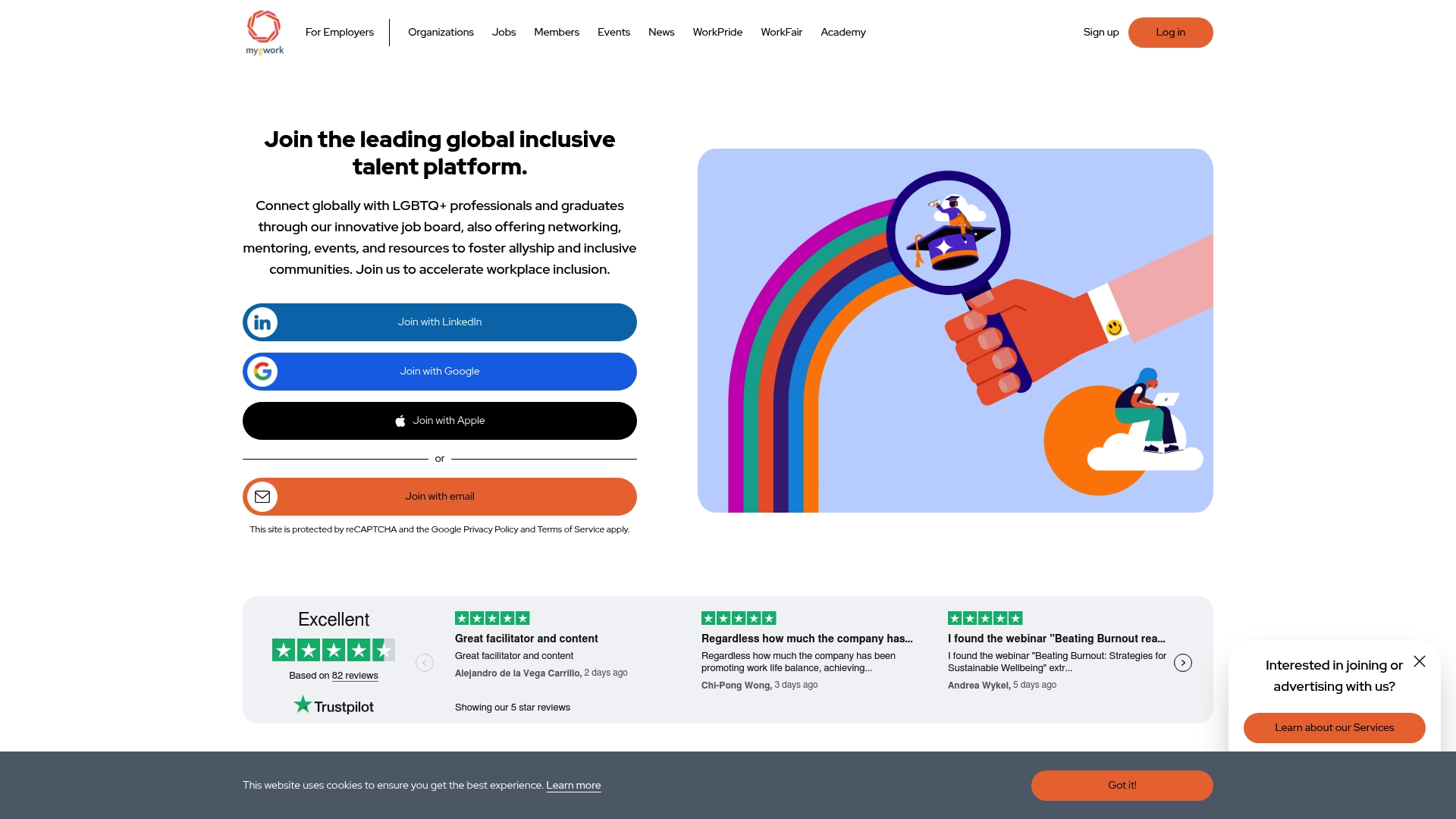
Take control of your professional journey by joining a vibrant platform that celebrates your full identity. Discover jobs, build relationships with allies and mentors, and access resources focused on empowering LGBTQ+ talent. Start now at mygwork.com and be part of a community where your diversity drives your success.
Explore how inclusive policies can transform your work experience and find strategic support tailored to your unique path. Visit mygwork.com and take the first step in unlocking your full potential in a truly inclusive workplace.
Frequently Asked Questions
What does LGBTQIA+ stand for?
LGBTQIA+ stands for Lesbian, Gay, Bisexual, Transgender, Queer, Intersex, Asexual, and Aromantic, with the ‘+’ symbol representing other identities.
Why is LGBTQIA+ inclusion important in the workplace?
LGBTQIA+ inclusion fosters a supportive environment, enhances employee engagement, drives innovation, and reduces turnover rates. It allows individuals to be their authentic selves, leading to improved productivity and job satisfaction.
How can organizations create an inclusive environment for LGBTQIA+ employees?
Organizations can promote inclusion by implementing non-discrimination policies, providing diversity training, creating employee resource groups, and supporting mentorship programs specifically for LGBTQIA+ professionals.
What are common misconceptions about the LGBTQIA+ community?
Many people mistakenly view the LGBTQIA+ community as a monolith rather than understanding its diverse spectrum of identities and experiences, leading to oversimplifications and misunderstandings.