
What if technology could make healthcare more human?
October 14, 2025At Elsevier, we believe there’s a better way forward—one where technology doesn’t widen the gap between healthcare professionals and patients but helps close it. When designed with trusted quality content and expert oversite and infused with empathy and intention, digital tools can empower those who deliver care and support the patients who depend on it.
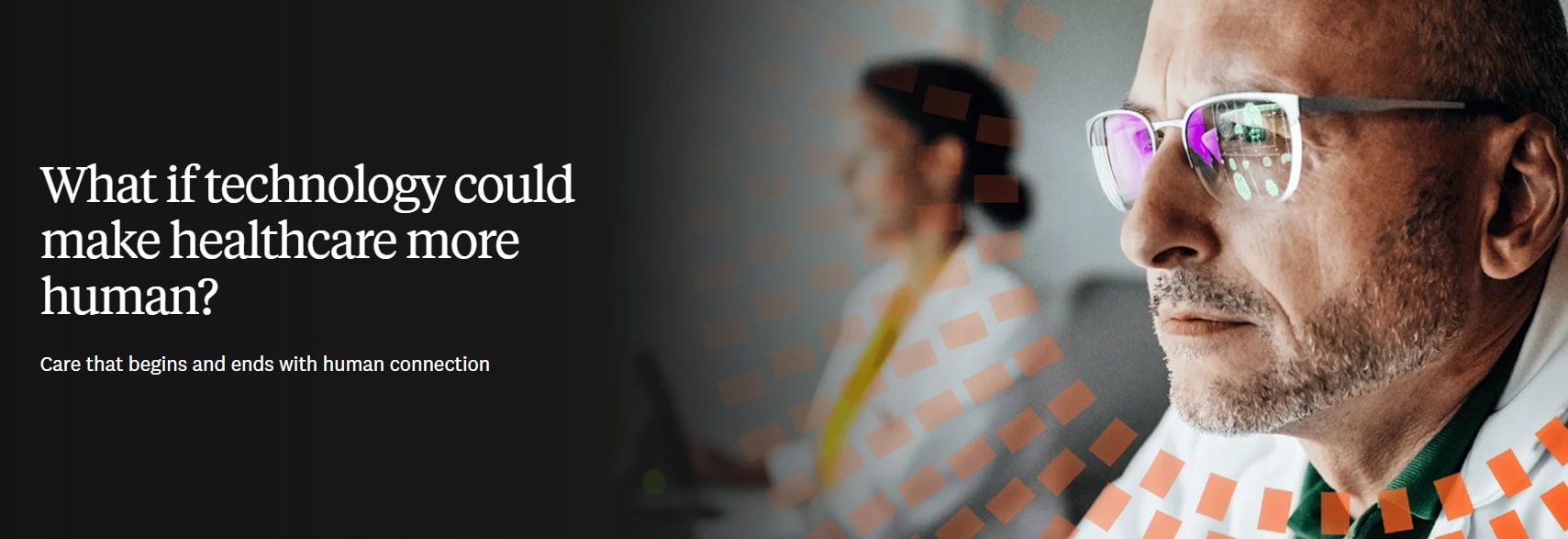
At the heart of this vision is a simple truth: healthcare is, and always will be, human. Every solution must begin with the people it’s meant to serve—clinicians, educators, learners, and patients alike.
But meaningful progress requires more than just good intentions. It demands collaboration, shared purpose, and a commitment to addressing the challenges that matter most. t if technology could make healthcare more human?
Healthcare should work for everyone
In today’s healthcare landscape, too many patients still face barriers rooted in bias, inequity, and underrepresentation. Too many clinicians are working within systems that weren’t built with their workflows in mind. Too many students enter the field feeling unprepared for the realities of practice. And too often, clinicians struggle to get to the root of what their patients truly need.
There is no doubt that digital health has shifted the paradigm of quality medical care. AI technologies are providing the potential to enhance the ability to diagnose diseases accurately, provide effective treatment, and improve healthcare delivery for individual patients while empowering patients to have greater control over their health. However, there is still anxiety about its use—fear of dehumanization, concerns about privacy and security, and worries about technological dependence. But what if we shift the mindset?
What if technology could not only enhance care but also strengthen trust and understanding between clinicians and patients? Consider this: 59% of clinicians report spending time correcting patient misinformation, a task that adds to their already heavy workloads.