
What is a diversity quota and why are they needed?
December 3, 2024Diversity quotas have been making waves in various sectors such as business, politics, and education lately. But what exactly are they?
Simply put, a diversity quota is a formal target or requirement designed to boost the representation of diverse groups within an organization, community, or institution. This could include people of different races, genders, ages, socioeconomic statuses, sexual orientations, or disabilities. The objective here is not just about checks and balances; it’s about genuinely creating an environment that reflects the rich tapestry of identities in our society.
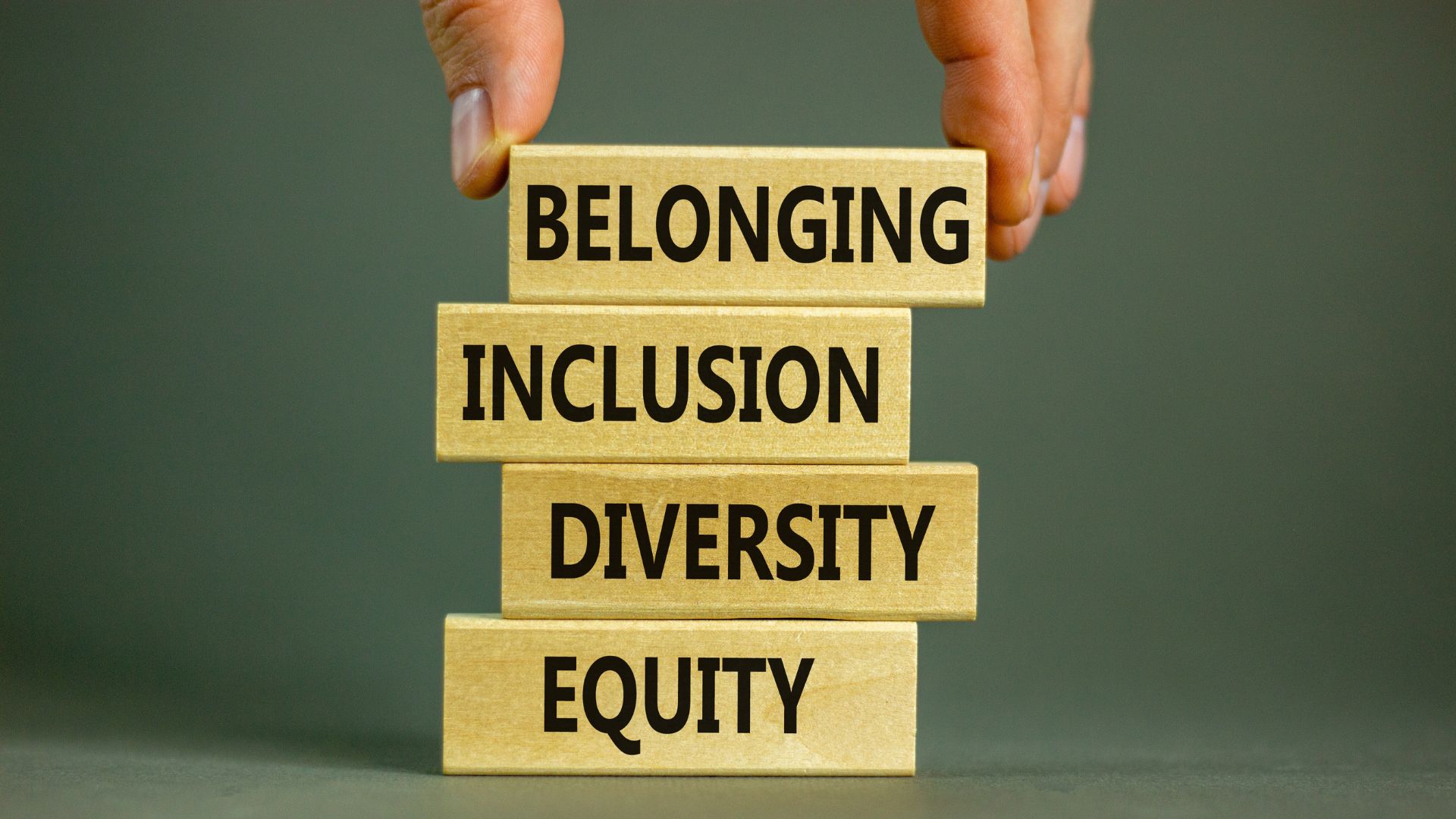
So why do we need diversity quotas? Let’s break it down a bit further:
- Promoting Equity and Inclusion: At the heart of diversity quotas is the need to combat historical inequalities. For years, certain demographics have dominated various fields, which has perpetuated systemic discrimination. By implementing quotas, organizations can actively work to dismantle these barriers. It’s about more than just numbers; it’s about making sure everyone has a seat at the table and that their voices are heard.
- Enhancing Creativity and Innovation: Imagine a brainstorming session where everyone thinks and behaves the same way—it could be pretty one-dimensional, right? Diversity brings a wealth of perspectives and ideas to the table, which can lead to more innovative solutions. Research actually shows that diverse teams are often more creative and effective because they leverage a variety of experiences and viewpoints. Quotas can help in bringing together such rich teams, boosting not just creativity but also productivity.
- Reflecting Society: We live in a beautifully diverse world, and organizations that reflect the demographics of their communities are typically better equipped to understand and meet those communities' needs. When the workforce is diverse, it fosters trust and engagement among various groups, leading to products and services that resonate more deeply with a broader audience. It’s a win-win!
- Legal and Regulatory Compliance: In some places, diversity quotas are even mandated by law to counteract systemic biases. Organizations may be required to follow these regulations to promote social justice and fair practices. While this may seem like a challenge for some, it’s an opportunity for growth and learning.
While diversity quotas are an important step in promoting equity, they should be viewed as a starting point rather than the end goal. It’s crucial that organizations not only focus on meeting numbers but also strive to create an inclusive culture where all individuals feel valued and empowered. This involves actively promoting diversity throughout the organization— from recruitment to leadership roles and beyond.
Encouraging open dialogue about diversity and inclusion can also help normalize these discussions within the workplace. Workshops, training sessions, and mentorship programs can further instill a sense of belonging for everyone, making them feel comfortable sharing their ideas and perspectives.
Understanding and embracing diversity has never been more critical, and diversity quotas act as a valuable tool for creating more equitable and inclusive environments. They address historical injustices and open doors for those who may have been overlooked in the past, making our organizations and society as a whole stronger and more vibrant.
As we move forward, let’s keep in mind that diversity is multifaceted; it goes beyond mere representation. It’s about creating an atmosphere where every voice is heard and respected. With the right approach, diversity quotas can help us pave the way toward a more equitable future—one where everyone has the opportunity to thrive.