
What Is DEI Strategy and Its Real Impact
January 15, 2026Nearly half of American LGBTQ+ professionals encounter workplace challenges due to a lack of effective Diversity, Equity, and Inclusion strategies. For those striving to progress in global corporate environments, the impact of genuine DEI can determine both career growth and personal well-being. This article breaks down myths, explains core principles, and highlights how strategic programs drive real change for LGBTQ+ talent across organizations.

Defining DEI Strategy and Addressing Myths
Diversity, Equity, and Inclusion (DEI) represents more than a corporate checkbox - it’s a comprehensive approach to creating workplace environments where every professional can thrive, regardless of their background. Institutional strategies around DEI aim to systematically address historical disadvantages and promote fair representation across organizational structures.
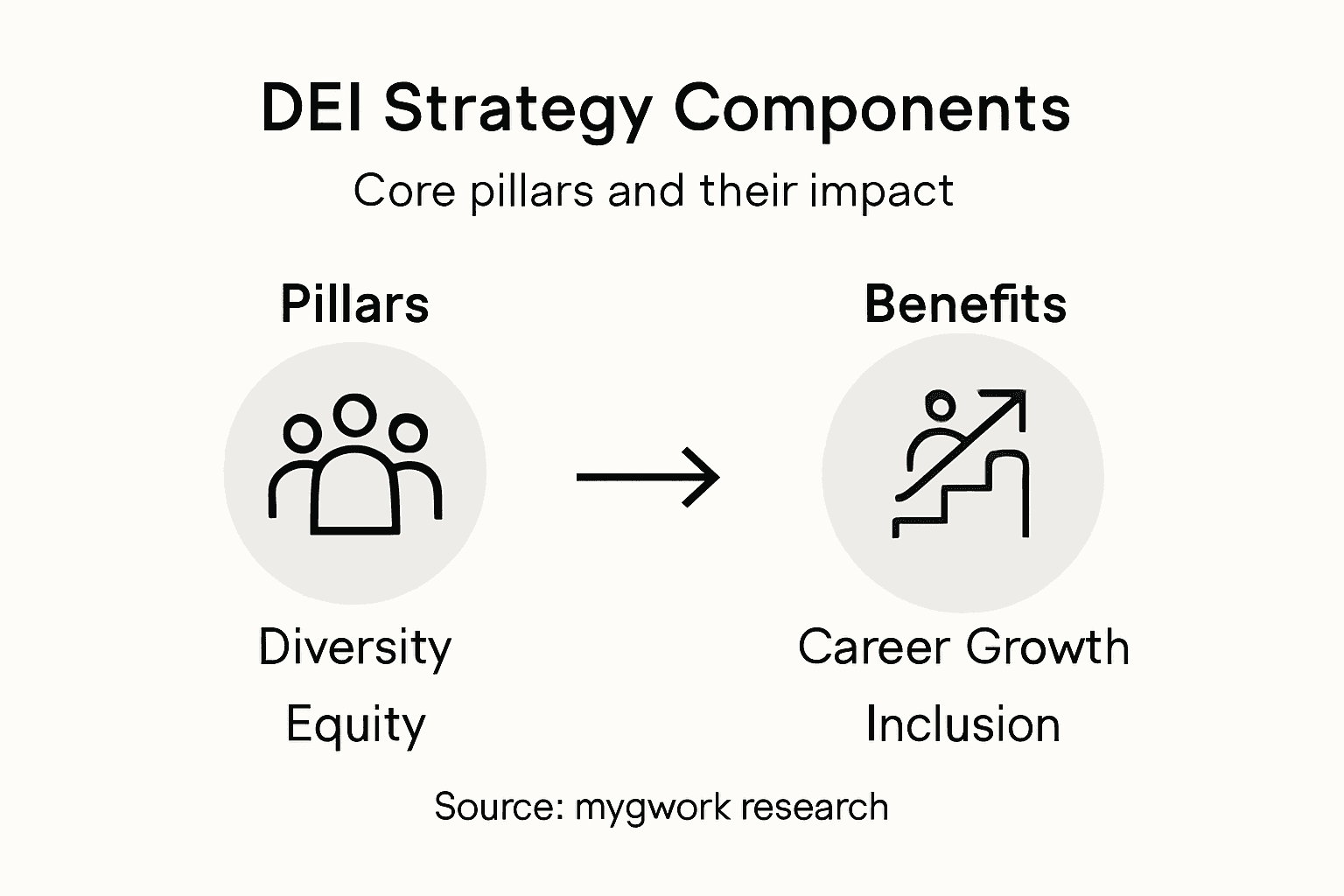
At its core, DEI encompasses three critical dimensions: diversity (representation of different identities), equity (ensuring fair opportunities), and inclusion (creating environments where everyone feels valued). DEI research highlights the complex intersectionality of these strategies, recognizing that differences span gender, race, social class, religion, and multiple other dimensions of human experience.
Common myths about DEI often mischaracterize these initiatives as quota systems or reverse discrimination. In reality, effective DEI strategies focus on removing systemic barriers, challenging unconscious biases, and creating merit-based environments where talent from all backgrounds can contribute meaningfully. These approaches require nuanced understanding, ongoing education, and genuine commitment to organizational transformation.
Pro tip: When evaluating DEI strategies, look beyond surface-level metrics and assess the genuine cultural shifts and structural changes being implemented within an organization.
Here’s a summary contrasting common DEI myths with the actual realities organizations face:
Key Components of Effective DEI Strategies
Building a comprehensive Diversity, Equity, and Inclusion (DEI) strategy requires a nuanced, multifaceted approach that goes beyond surface-level representation. Organizational DEI frameworks emphasize creating systemic changes that address deep-rooted workplace inequities and foster genuine cultural transformation.
The core components of an effective DEI strategy typically include four interconnected dimensions:
- Diversity: Ensuring demographic representation across all organizational levels
- Equity: Guaranteeing fair access to opportunities, development, and advancement
- Inclusion: Creating environments where all employees feel welcomed and empowered
- Belonging: Establishing psychological safety where individuals can authentically express their identity
Strategic DEI approaches require deliberate, cross-functional implementation that dismantles structural barriers and challenges unconscious biases. This means moving beyond annual training sessions to embedding inclusive practices into recruitment, performance management, leadership development, and organizational culture.

Pro tip: Conduct regular, anonymous organizational assessments to identify specific DEI gaps and track meaningful progress beyond demographic representation.
Below is a quick reference comparing four core DEI strategy dimensions:
Types of DEI Initiatives in Organizations
Diversity, Equity, and Inclusion (DEI) initiatives represent strategic approaches organizations implement to create more inclusive workplace environments. Comprehensive DEI strategies encompass a wide range of targeted programs designed to address systemic barriers and promote equitable opportunities across all organizational levels.
Key DEI initiatives typically include:
- Recruitment and Hiring Practices
- Implementing blind resume screening
- Establishing diverse candidate pipeline requirements
- Creating structured interview processes to minimize bias
- Employee Development and Support
- Mentorship programs targeting underrepresented groups
- Leadership development for diverse talent
- Employee resource groups (ERGs)
- Organizational Culture Interventions
- Unconscious bias training
- Cultural competency workshops
- Regular diversity and inclusion assessments
Organizational DEI initiatives go beyond symbolic gestures, focusing on embedding inclusive practices into core business operations. This means transforming workplace policies, compensation structures, and advancement pathways to ensure genuine equity and representation.
Pro tip: Develop measurable, transparent DEI goals with clear accountability metrics to track real progress and maintain organizational commitment.
How DEI Strategy Elevates LGBTQ+ Careers
DEI strategies represent transformative pathways for LGBTQ+ professionals to overcome systemic workplace barriers and unlock their full career potential. Diversity and inclusion research highlights the critical importance of targeted support mechanisms that address intersectional challenges faced by LGBTQ+ individuals in professional environments.
Key strategies for elevating LGBTQ+ careers through DEI initiatives include:
- Mentorship Programs
- Connecting LGBTQ+ professionals with experienced leaders
- Providing targeted career guidance and professional development
- Creating supportive networking opportunities
- Inclusive Leadership Development
- Identifying and nurturing LGBTQ+ talent
- Developing leadership skills in supportive environments
- Creating pathways to executive and management positions
- Workplace Culture Transformation
- Establishing strong anti-discrimination policies
- Creating safe spaces for authentic self-expression
- Implementing comprehensive diversity training
Successful DEI strategies go beyond symbolic representation, actively dismantling systemic barriers and creating environments where LGBTQ+ professionals can thrive authentically. This means challenging unconscious biases, providing equitable advancement opportunities, and fostering a culture of genuine inclusion and respect.
Pro tip: Proactively seek out organizations with demonstrable, measurable commitments to LGBTQ+ inclusion, not just surface-level diversity statements.
Common Challenges and Mistakes in DEI Implementation
Despite well-intentioned efforts, organizations frequently encounter significant obstacles when implementing Diversity, Equity, and Inclusion (DEI) strategies. DEI implementation challenges reveal systemic issues that can undermine the effectiveness of diversity initiatives and create unintended consequences for marginalized professionals.
Key challenges in DEI implementation include:
- Strategic Misalignment
- Treating DEI as a standalone initiative
- Disconnecting DEI from core business objectives
- Failing to integrate diversity goals with organizational strategy
- Superficial Engagement
- Conducting one-time diversity training
- Implementing performative representation
- Avoiding deep structural transformation
- Measurement and Accountability Gaps
- Lack of clear, measurable DEI objectives
- Insufficient tracking of meaningful progress
- Absence of consequences for non-compliance
Organizational DEI barriers often stem from a fundamental misunderstanding of what genuine inclusion requires. Successful implementation demands more than symbolic gestures - it necessitates a comprehensive, nuanced approach that addresses systemic inequities and creates meaningful opportunities for underrepresented professionals.
Pro tip: Develop robust, data-driven DEI metrics that go beyond demographic representation and measure actual inclusion and advancement outcomes.
Unlock True Inclusion and Career Growth with mygwork
The article highlights the critical challenge organizations face in moving beyond superficial DEI initiatives toward creating genuine equity and inclusion for LGBTQ+ professionals. Many struggle with strategic alignment, meaningful engagement, and accountability—issues that can stall authentic progress and limit career advancement for marginalized groups. If you are seeking a platform that champions real inclusion, promotes equitable opportunities, and fights systemic barriers for LGBTQ+ individuals, you are not alone.
Explore how mygwork.com connects LGBTQ+ professionals with employers who are committed to comprehensive DEI strategies that truly empower diverse talent. Join a thriving community where you can build your network, access tailored job opportunities, and engage with initiatives designed to foster belonging and professional growth. Don’t wait to experience a professional environment that values your authentic identity and supports your career journey. Take the first step toward impactful inclusion by visiting mygwork.com today.
Frequently Asked Questions
What are the main components of a DEI strategy?
A DEI strategy typically encompasses four key components: diversity (ensuring demographic representation), equity (guaranteeing fair access to opportunities), inclusion (creating welcoming environments), and belonging (fostering psychological safety for authentic self-expression).
How can organizations effectively implement DEI initiatives?
Organizations can effectively implement DEI initiatives by embedding inclusive practices into core business operations, establishing mentorship programs, conducting regular diversity training, and creating transparent accountability metrics to measure progress.
What common challenges do organizations face when implementing DEI strategies?
Common challenges include strategic misalignment, superficial engagement, and gaps in measurement and accountability, which can undermine the effectiveness of DEI initiatives.
How do DEI strategies specifically benefit LGBTQ+ professionals?
DEI strategies benefit LGBTQ+ professionals by providing mentorship opportunities, inclusive leadership development, and transforming workplace cultures to establish strong anti-discrimination policies and safe spaces for self-expression.