What is Remembrance Day, and why poppies?
November 9, 2024What is Remembrance Day, and Why Poppies?
Remembrance Day, also known as Armistice Day or Poppy Day, is observed on November 11 each year, commemorating the end of World War I in 1918 and honoring the sacrifices of armed forces members who have died in the line of duty during conflicts. This significant day is marked by ceremonies, moments of silence, and traditions that hold deep meaning for many people around the world.
Historical Background
The origins of Remembrance Day date back to November 11, 1918, when an armistice was signed between the Allies and Germany, officially ending the hostilities on the Western Front. The day was first observed in 1919, and over time, it evolved to honor all military personnel who lost their lives during both World Wars and subsequent conflicts.
In many Commonwealth countries, Remembrance Day includes a two-minute silence at 11 a.m., recognizing the moment the armistice took effect. Ceremonies are typically held at war memorials, including the Cenotaph in London and various local sites, where wreaths are laid, and names of the fallen are remembered.
The Symbol of the Poppy
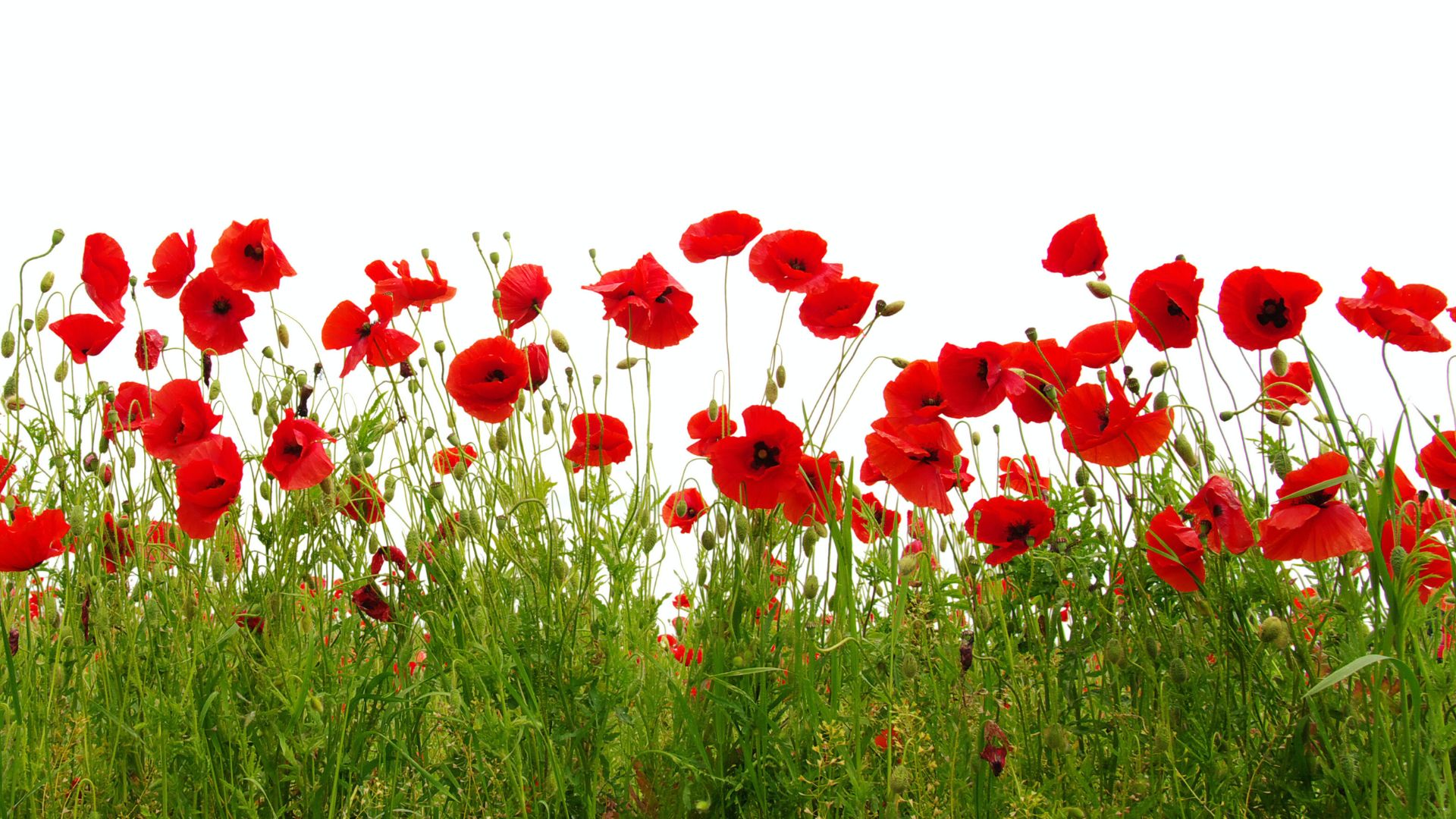
One of the most enduring symbols of Remembrance Day is the red poppy flower. The significance of the poppy as a memorial symbol stems from the famous poem "In Flanders Fields," written by Lieutenant Colonel John McCrae during World War I. The poem describes how poppies grew among the graves of soldiers in Flanders, a region in Belgium ravaged by war.
The Royal British Legion adopted the poppy as a symbol of remembrance in 1921, and since then, it has become a widely recognized emblem of sacrifice and loss in many countries. Poppies are worn on lapels or displayed in homes, with proceeds from poppy sales typically funding support services for veterans and their families.
Why Poppies Matter
Poppies serve not only as a reminder of those who have died but also symbolize peace and hope for a better future. Wearing a poppy is a way for individuals to express their gratitude and remembrance for the sacrifices made by service members, encouraging conversations about war, history, and the importance of peace.
Remembrance Day is a poignant occasion for reflection and recognition of the individuals who have served and lost their lives in military conflicts. The red poppy, with its deep-rooted symbolism, plays a crucial role in these commemorative practices, fostering a sense of collective memory and responsibility to honor past sacrifices while promoting peace in the present and future. Whether through attending ceremonies, wearing poppies, or simply taking a moment of silence, individuals worldwide participate in this solemn observance, ensuring that the bravery of those who serve is never forgotten.