
What Representation Feels Like for a Baby-Dyke Like Me
April 26, 2022By Mickey Few, Writer and Photographer
It was hard to navigate my sexuality having been born into a world that so often gave visibility to hyper-fem lesbians only - proliferated for the male gaze. Girls kissing girls were paraded in T.V shows and films as something for men to enjoy and for women to enjoy doing for men.
Madonna and Britney kissed live on the MTV awards stage, girl band T.A.T.U wore schoolgirl outfits and made out for a majority of their music video and then Katy Perry Kissed a girl but hoped her boyfriend didn’t mind it. All these representations created a picture to me as a young baby butch lesbian that lesbianism is only acceptable in hyper-fem forms.
So where did this leave a baby dyke like me? Well, I spent the early years of my ‘out and proud’ status being out but not so ‘proud.’ I made myself hyper-fem too. ‘Proud’ to be a lipstick lesbian. Internalizing dyke-phobia, I could be seen saying to my peers ‘yeah why would a pretty girl go for a butch girl?’ Laughing alongside them, so that I could fit in.
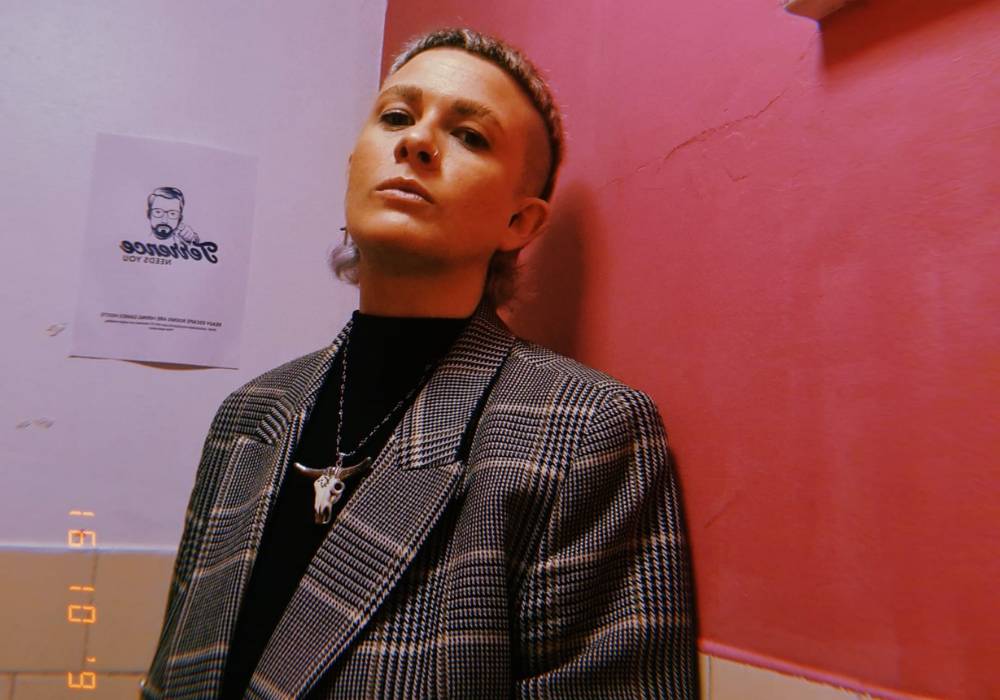
Coming out of the closet is something that takes many people a tremendous amount of courage and a significant amount of time. Sometimes, with all the will in the world, they never manage to. Is it any wonder that once out, I found myself pretending to be the formation of a lesbian that I believed was acceptable?
It was hard enough to come out as a lesbian at all, let alone to take the ‘next step’ into be my true baby-dyke self. The simple thing that could have solved this puzzle for me? Representation.
Representation gives somebody the ability to understand themselves. We are all pieces of the information we see around us; a top that we saw on somebody else; a pair of trousers we thought somebody else pulled off stylishly; a particular style that our favourite music artist wears. We are creatures of imitation, and the images that surround us help to navigate us to who we are.
So, what happens when you barely see yourself anywhere? For me, I continued my journey of being the ‘lipstick lesbian.’ The kind of lesbian that is accepted in most circles. The lesbian that isn’t ostracised because I hadn’t taken my lesbianism too far. During this time, I questioned everything – I got to the point where I questioned my gender.
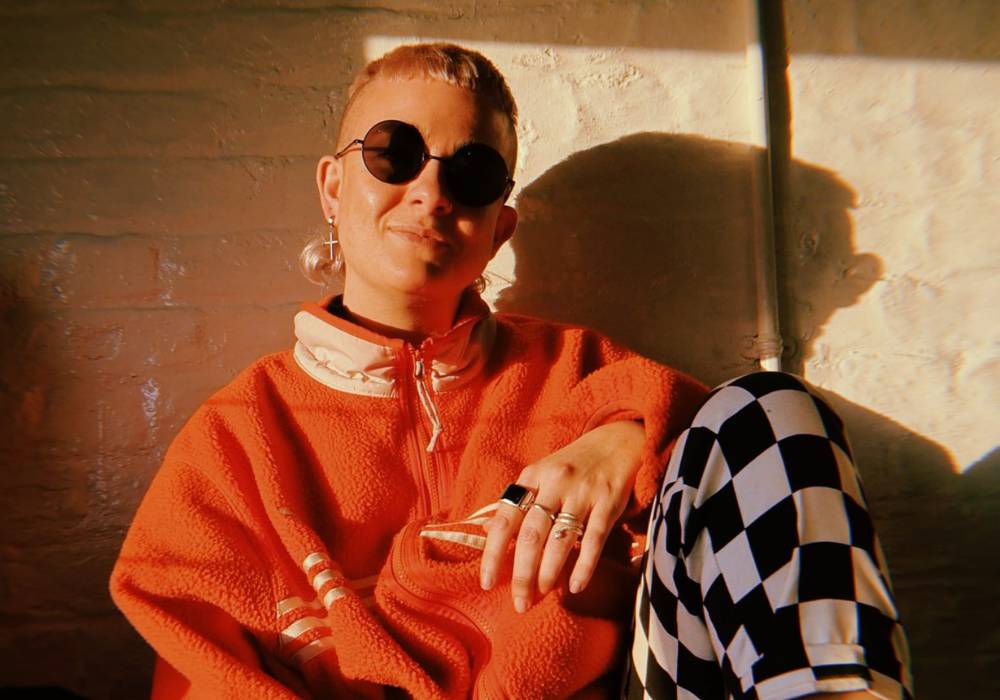
For myself, I do believe that my gender will remain fluid, however, when I was young I had a period of time when I felt really fearful that I maybe had just been born into the wrong body. I always wanted to play with ‘boys’ toys, play ‘boys’ games, do ‘boys’ things and this naturally led me to the question – am I boy? Is there a reason why inside I want my hair to be short, my clothes to be baggy and my attitude to be butch?
The reason I couldn’t distinguish between my gender identity and my simple need to be a woman wearing ‘men’s’ clothes was representation.
It would have been life changing had I woken up each morning to a dykey lesbian (in fact, just a lesbian) on morning T.V. Then, gone to school and had teachers that felt able to be out of the closet in front of me. Afterwards, come home to the daily news just being on in the background with a lesbian that looked how I felt inside on the screen. Simply, representation of a person like me would have saved me years of discomfort, unhappiness, and gender troubles.
Most people are able to name one or two famous lesbians – Ellen DeGeneres, Ruby Rose. (Ruby Rose who wasn’t around as I was growing up.) Then, if you’re lucky some people can name other lesbians (Sue Perkins maybe, ‘the one who’s married to Ellen DeGeneres’ you may hear). But let’s be honest, in mainstream T.V – how much of a normality is it to see a lesbian T.V host? God forbid they’re a bit butch.
It is imperative to have representation of lesbians – everywhere. We need lesbians on the T.V every day. We need butch lesbians to be visible daily. We need young girls to understand that just because they do not fit the stereotype of the male gaze – they are still important, desirable and can live their lives exactly how they want.
For me, I just needed and still need to see women who wear baggy clothes and have short hair, who play with toys gendered for boys and enjoy doing activities coined for men. This would not only impact baby-dykes like me, but this would impact all women in the world who don’t feel they fit into a heteronormative stereotype of how to be.
For me, representation is showing somebody that there is a pathway for them – one that’s a little easier to tread down than the person before, because the person before has already cut away some of the grass.
Join myGwork for our upcoming panel, Lesbian and Bisexual Lived Experiences on Wednesday 27th April 2022 at 4pm GMT. Sign up to the free virtual event here.