
WHO Advises LGBTQ+ Men To Limit Number Of Partners To Reduce Risk Of Monkeypox
July 28, 2022According to WHO data, more than 18,000 monkeypox cases have now been reported across 78 nations. About 10% of patients have been hospitalized to manage pain, and five deaths have been reported in Africa, confirmed WHO. In a briefing yesterday, WHO chief Tedros Adhanom Ghebreyesus said it is crucial for all health authorities in all countries to engage “communities of men who have sex with men to reduce the risk of infection and onward transmission, to provide care for those infected, and to safeguard human rights and dignity.”
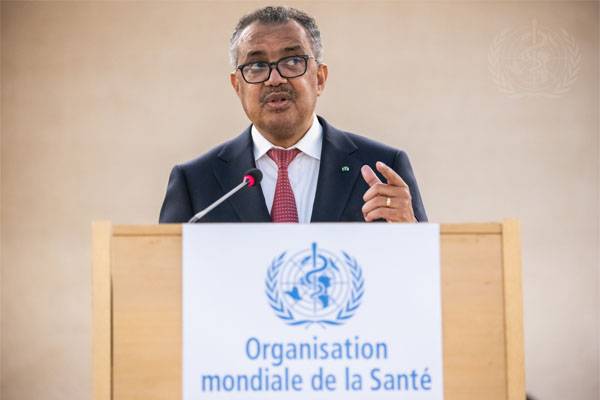
For men who have sex with men, this includes “reducing your number of sexual partners, reconsidering considering sex with new partners, and exchanging contact details with any new partners to enable follow up if needed,” stated Tedros. He also urged social media platforms and news organizations to counter harmful information: “The stigma and discrimination can be as dangerous as any virus and can fuel the outbreak. As we have seen with Covid-19 misinformation, and this information can spread rapidly online.”
WHO declared a global health emergency in response to the outbreak over the weekend, following a surge in Monkepox cases. The outbreak is spreading fast in Europe and North America, where the virus isn’t normally found. Europe is the currently the epicenter of the global outbreak, with more than 70% of monkeypox cases. Around 25% of monkeypox cases have been reported in the Americas, according to Centers for Disease Control and Prevention (CDC) and WHO. The US is reported to have the second-highest number of monkeypox cases in the world, after Spain, recording more than 3,500 cases across 46 states.
Monkeypox is primarily spread through skin-to-skin contact during sex. According to WHO’s monkeypox expert, Rosamund Lewis, “Men who have sex with men are the group at the highest risk of infection right now. About 99% of cases are among men, and at least 95% of those patients are men who have sex with men.”
“The critical piece is really focusing in on close, intimate personal contact, prolonged contact that happens during sex as the key mode of transmission,” added Andy Seale, another specialist health advisor to WHO, in an interview with CNBC.
Anyone can catch the virus through close physical contact. This includes hugging and kissing within a family, as well as using shared towels or bedding used by someone with the infection.
WHO is recommending targeted vaccination for people exposed to someone with monkeypox, and for those at high risk of exposure. It is also urging countries to take action to reduce the risk of transmission to other vulnerable groups, including children, pregnant women and those who are immunosuppressed.
Keep up to date with the latest myGnews