
Why Celebrate Pride Month? 25% Better Retention in 2026
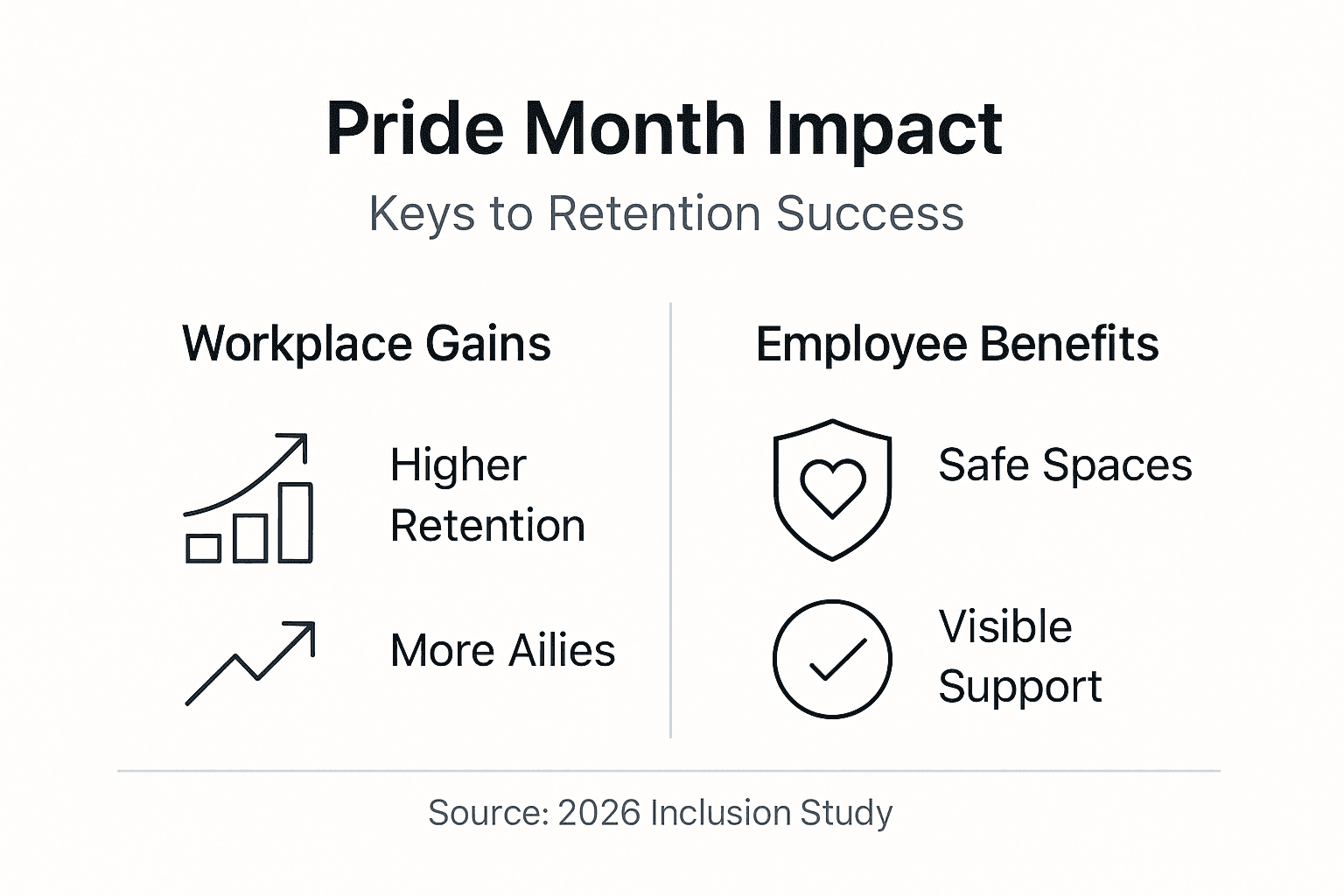
March 1, 2026Organizations celebrating Pride Month experience 25% higher retention among LGBTQ+ employees, yet many people still view Pride as merely a colorful parade. Pride Month serves as powerful advocacy commemorating decades of struggle while actively improving workplace culture. You’ll discover Pride’s historical roots, its measurable impact on inclusivity, common misconceptions that undermine its purpose, and practical ways LGBTQ+ professionals can leverage Pride initiatives to strengthen community and drive meaningful change in their workplaces.

Key Takeaways
Historical Origins and Significance of Pride Month
Pride Month traces its roots to a pivotal moment in LGBTQ+ history. The Stonewall riots in 1969 triggered annual Pride observances that began in the early 1970s as both remembrance and resistance. What started as a response to police brutality against LGBTQ+ individuals at the Stonewall Inn evolved into a global movement for equality and recognition.
Understanding this history of Pride Month clarifies its dual nature. Pride serves as a memorial to those who fought for basic rights and a celebration of progress achieved through decades of activism. It provides crucial visibility for LGBTQ+ individuals who face ongoing discrimination and marginalization in many societies.
Pride Month fosters community identity and solidarity among LGBTQ+ people worldwide. Key aspects include:
- Honoring activists and community members lost to violence, discrimination, and the AIDS crisis
- Amplifying voices of marginalized groups within the LGBTQ+ spectrum
- Educating the public about ongoing challenges facing LGBTQ+ communities
- Creating safe spaces for people to express authentic identities
- Mobilizing support for legislative and policy changes
This foundation reveals Pride as ongoing advocacy rather than superficial celebration. The historical context matters deeply for workplace initiatives because it anchors Pride programs in substantive meaning rather than performative gestures. When organizations understand Pride’s roots in resistance and community building, they create more authentic and impactful programming.
Impact of Pride Month on Workplace Inclusivity
Pride Month initiatives deliver measurable improvements in workplace culture and employee wellbeing. Research shows Pride Month activities lead to 30% reduction in workplace discrimination when organizations implement structured programs. These aren’t cosmetic changes but fundamental shifts in how LGBTQ+ employees experience their work environments.
Psychological safety increases significantly during Pride Month observances. LGBTQ+ employees report 22% higher comfort levels with being out at work when their organizations actively celebrate Pride. This visibility matters because hidden identities create cognitive burden and emotional strain that diminishes job performance and satisfaction.

Ally participation represents another crucial outcome. Workplaces celebrating Pride see 40% boost in allyship awareness among non-LGBTQ+ employees. This engagement creates support networks that extend beyond June, fostering year-round inclusive culture.
The data reveals that comprehensive programming outperforms token gestures. Organizations investing in multi-faceted Pride initiatives see stronger outcomes across all metrics. Effective programs include:
- Leadership participation in Pride events and communications
- Educational workshops addressing LGBTQ+ workplace experiences
- Policy reviews ensuring inclusive benefits and protections
- Employee resource group support and funding
- Community partnerships extending impact beyond the organization
Pro Tip: Involve executive leadership visibly during Pride Month by having them share personal statements about inclusion, attend Pride events, and allocate resources to LGBTQ+ initiatives. This top-down commitment signals organizational values more powerfully than any policy document.
Common Misconceptions about Pride Month
Several persistent myths limit Pride Month’s effectiveness in professional settings. Addressing these misconceptions directly helps organizations and individuals maximize Pride’s potential for meaningful change.
The biggest myth positions Pride as purely celebratory entertainment. Reality shows Pride commemorates struggles and ongoing advocacy while celebrating progress. This misunderstanding leads organizations to treat Pride as superficial fun rather than substantive cultural work. When companies view Pride only through a party lens, they miss opportunities for education, policy improvement, and community building.
Another damaging misconception frames Pride initiatives as tokenistic gestures. Critics argue that rainbow logos and Pride month events constitute performative allyship without real commitment. However, research demonstrates that sustained Pride programs improve inclusion metrics and employee satisfaction. The key distinguishes authentic commitment from surface-level gestures.
A third myth suggests Pride excludes or alienates allies. Some believe Pride Month focuses exclusively on LGBTQ+ individuals, leaving heterosexual colleagues uncertain about participation. The truth reveals that ally involvement strengthens workplace support systems and amplifies inclusion efforts. Pride succeeds when entire organizations engage, not just LGBTQ+ employees.
Common misconceptions about myths about Pride Month include:
- Pride Month lacks serious purpose beyond parties and parades
- Corporate Pride initiatives are always disingenuous rainbow washing
- Only LGBTQ+ employees should participate in Pride activities
- Pride Month creates division rather than unity in workplaces
- Celebrating Pride is unnecessary in already inclusive organizations
Each misconception undermines Pride’s potential impact. Organizations accepting these myths implement weaker programs or avoid Pride initiatives altogether, perpetuating workplace cultures where LGBTQ+ employees feel invisible or unsupported.
Pro Tip: Educate your team openly on Pride’s history and purpose at the start of June. Share resources about Stonewall, highlight ongoing challenges facing LGBTQ+ communities, and explain how workplace Pride initiatives connect to broader advocacy. This foundation counteracts misconceptions and builds genuine understanding.
Frameworks for Implementing Pride Month Initiatives at Work
Successful Pride Month programming requires structured approaches rather than ad hoc activities. Organizations benefit from frameworks guiding initiative design, implementation, and assessment. Comprehensive programs improve inclusivity perception by 35% compared to minimal efforts.
Effective Pride initiatives share several core components. Employee-led workshops create authentic voices and lived experience sharing. Visible allyship from leadership demonstrates organizational commitment. Policy reviews identify and address gaps in inclusive benefits and protections. Community partnerships extend impact beyond internal audiences.
Implementing Pride Month initiatives follows a clear sequence:
- Assess current organizational culture through employee surveys and focus groups to identify specific needs and gaps.
- Design inclusive programs involving LGBTQ+ employees and allies in planning to ensure relevance and authenticity.
- Implement activities spanning education, celebration, advocacy, and policy work throughout June and beyond.
- Measure impact through follow-up surveys, retention data, and participation metrics to demonstrate value and identify improvements.
The difference between partial and comprehensive approaches shows dramatically in outcomes:
Financial and cultural benefits accompany well-implemented Pride Month efforts. Organizations report improved employer brand reputation, stronger recruitment of diverse talent, and enhanced employee engagement. These outcomes justify resource investment and demonstrate Pride initiatives as strategic business decisions, not merely social responsibility.
Successful frameworks balance celebration with substance. Pride events create community and joy while educational components build understanding. Policy work ensures lasting structural change beyond June. This multidimensional approach delivers sustained impact rather than temporary visibility.
Psychosocial and Community Benefits of Pride Month for LGBTQ+ Professionals
Pride Month generates significant mental health and wellbeing improvements for LGBTQ+ employees. The community support and visibility during June reduce minority stress by 25% compared to other months. This stress reduction stems from increased social support, affirming environments, and reduced need to hide identity.
Minority stress affects LGBTQ+ individuals who navigate hostile or unwelcoming environments. Constant vigilance about disclosing identity, managing microaggressions, and lacking representation creates chronic psychological burden. Pride Month alleviates these pressures through visible affirmation and community connection.
Intersectionality understanding improves with Pride Month workplace trainings that address overlapping identities. LGBTQ+ professionals hold multiple identities including race, disability, age, and socioeconomic status. Comprehensive Pride initiatives acknowledge these intersections rather than treating LGBTQ+ identity as monolithic.
Pride Month delivers specific psychosocial benefits:
- Enhanced sense of belonging through visible community presence and shared experiences
- Increased workplace authenticity allowing employees to bring full selves to work
- Reduced isolation connecting LGBTQ+ employees with colleagues and resources
- Stronger support networks built through Pride events and employee resource groups
- Improved job satisfaction stemming from organizational affirmation and inclusion
- Greater psychological safety enabling open communication and idea sharing
These benefits extend beyond individual wellbeing to organizational outcomes. Employees experiencing psychological safety contribute more creatively, collaborate more effectively, and remain with organizations longer. The LGBTQ+ mental health benefits during Pride create ripple effects improving team dynamics and organizational culture.
Community aspects matter especially for LGBTQ+ professionals in industries or regions with limited visibility. Pride Month provides connection points helping isolated individuals find solidarity and support. This community building sustains employees through challenges and amplifies collective advocacy efforts.
Case Studies of Pride Month Impact in Corporate Environments
Real-world examples demonstrate measurable outcomes from Pride Month initiatives. A major tech company implementing comprehensive Pride programming saw 50% increase in LGBTQ+ job applicants within six months. This recruitment boost resulted from enhanced employer brand reputation and visible commitment to inclusion.
Retention improvements represent another consistent pattern. Organizations celebrating Pride report 25% higher retention among LGBTQ+ employees compared to companies without Pride initiatives. This retention advantage saves substantial recruitment and training costs while preserving institutional knowledge and team cohesion.
Policy improvements accelerate following structured Pride programs. One financial services firm used Pride Month as catalyst for benefits review, subsequently expanding coverage for gender-affirming care and adoption assistance. These policy changes addressed long-standing gaps that disadvantaged LGBTQ+ employees.
Key case study highlights linking Pride Month to business outcomes:
- Retail organization reduced LGBTQ+ employee turnover from 35% to 18% after launching annual Pride initiatives
- Healthcare system improved patient satisfaction scores in LGBTQ+ care following employee Pride education
- Manufacturing company attracted diverse supplier partnerships through Pride Month visibility
- Consulting firm won competitive contracts by demonstrating inclusion commitment via Pride programs
- Technology startup built industry reputation as inclusive employer through authentic Pride celebration
These examples share common elements. Leadership commitment, employee involvement, authentic programming, and sustained effort beyond June characterize successful initiatives. Organizations treating Pride as strategic priority rather than compliance exercise see strongest results.
The case studies also reveal challenges. Initial Pride efforts sometimes face internal resistance or external criticism. Organizations navigating these challenges through transparent communication, stakeholder engagement, and persistent commitment achieve breakthrough outcomes. Early difficulties don’t predict long-term failure when organizations maintain focus and adapt approaches.
Bridging Understanding to Practical Application: How LGBTQ+ Professionals Can Leverage Pride Month
LGBTQ+ professionals can actively shape workplace Pride initiatives rather than passively receiving corporate programs. Your participation drives authenticity and impact while building professional community and advancing career goals.
Practical participation strategies include:
- Lead or join Pride planning committees to ensure programming reflects authentic LGBTQ+ experiences and needs.
- Share personal stories through panels, newsletters, or internal communications when comfortable to build understanding.
- Mentor junior LGBTQ+ colleagues or allies developing inclusion skills to expand impact beyond your immediate role.
- Advocate for policy improvements by identifying gaps and proposing specific solutions to leadership.
- Connect with external LGBTQ+ professional networks to bring best practices and resources into your organization.
These actions position you as inclusion leader while strengthening your professional brand. Visibility during Pride Month can enhance career opportunities and expand your network within and beyond your organization.
Influencing workplace culture requires strategic approaches. Start by building ally relationships with colleagues and managers who can amplify your voice. Document specific inclusion gaps using data and employee feedback. Propose solutions with clear implementation steps and success metrics. This evidence-based advocacy increases likelihood of leadership support.
Building strong professional LGBTQ+ networks provides ongoing support extending beyond Pride Month. These connections offer mentorship, job opportunities, skill development, and community. Participate in affinity groups, attend LGBTQ+ professional conferences, and engage with platforms connecting LGBTQ+ professionals.
Pro Tip: Start small if your workplace lacks Pride initiatives. Propose a lunch and learn session about LGBTQ+ workplace experiences or form an informal affinity group. These modest beginnings often grow into comprehensive programs as participation and leadership support increase.
Your engagement during Pride Month creates ripples affecting organizational culture long-term. Each conversation, event, or policy improvement contributes to environments where LGBTQ+ professionals thrive authentically.
Celebrate and Lead Inclusivity Year-Round with Our Community
Pride Month’s impact shouldn’t end when June does. Sustaining inclusion requires ongoing commitment, resources, and community support extending throughout the year.
The MyGwork professional network connects LGBTQ+ professionals with career opportunities, resources, and community year-round. Our platform specializes in inclusive employment, helping you find organizations genuinely committed to diversity beyond rainbow logos. Access job listings from vetted inclusive employers, connect with mentors navigating similar career paths, and stay informed about workplace equality developments.
Join a community driving meaningful change in professional environments. Whether you’re seeking new opportunities, building your network, or looking for inclusive workplace resources, MyGwork provides tools and connections supporting your career growth. Transform Pride Month insights into lasting impact by engaging with professionals and organizations sharing your commitment to authentic inclusion.
Frequently Asked Questions
What is the true significance of Pride Month beyond celebration?
Pride Month commemorates the Stonewall riots and decades of LGBTQ+ activism while providing visibility for ongoing struggles. It serves as both memorial and mobilization, honoring those who fought for rights while advocating for current equality needs. The celebratory aspects exist alongside serious educational and advocacy purposes.
How can allies effectively support Pride Month at work?
Allies support Pride by participating in educational events, amplifying LGBTQ+ voices, and advocating for inclusive policies. Effective allyship means listening more than speaking, using your privilege to challenge discrimination, and maintaining commitment beyond June. Attend Pride events, educate yourself about LGBTQ+ workplace issues, and hold leadership accountable for inclusion promises.
What practical steps can LGBTQ+ professionals take during Pride Month?
LGBTQ+ professionals can join or lead Pride planning committees, share stories when comfortable, and propose policy improvements addressing specific gaps. Connect with employee resource groups, mentor colleagues, and build relationships with LGBTQ+ professionals in your industry. Start small if your workplace lacks initiatives by organizing informal gatherings or educational sessions.
How does Pride Month participation affect workplace policies?
Pride Month often catalyzes policy reviews revealing gaps in benefits, protections, and practices. Organizations seriously engaging with Pride typically expand inclusive benefits, strengthen anti-discrimination policies, and improve representation in leadership. Policy changes result when employees advocate using Pride Month visibility to highlight specific needs and solutions.
Why is intersectionality important in Pride Month initiatives?
Intersectionality recognizes that LGBTQ+ individuals hold multiple identities affecting their workplace experiences differently. Pride initiatives addressing race, disability, age, and other dimensions create more inclusive programming. Intersectional approaches prevent treating LGBTQ+ community as monolithic and ensure marginalized voices within the community receive attention and support.