
Why 'physical inclusion' is the cornerstone of a truly equitable workplace
July 10, 2026The conversation around diversity, equity, and inclusion (DEI) in recent years has allowed organizations to increasingly recongize the profound importance of creating spaces where every employee feels seen and valued, irrespective of their background, identity, or experiences. This focus on psychological belonging and the celebration of individual identity is a vital step forward, creating environments where people can live authentically.
However, as we champion emotional connection, it is equally critical to ensure that our commitment extends to the physical realities of the workplace. For true inclusion to flourish, physical accessibility for all forms of disability are foundational. This Disability Pride Month, we're exploring the important steps towards these inclusive efforts.
Inclusion efforts in general exist to encompass a sense of belonging, respect for one's identity, and the psychological safety to contribute without fear of judgment or marginalization. It acknowledges the nuances of individual experience and seeks to dismantle biases that can make workplaces feel isolating or unwelcoming. Initiatives promoting diverse hiring, unconscious bias training, employee resource groups, and flexible work arrangements all contribute to this crucial aspect of modern work culture, leading to improved employee well-being, higher retention rates, and more innovative teams.
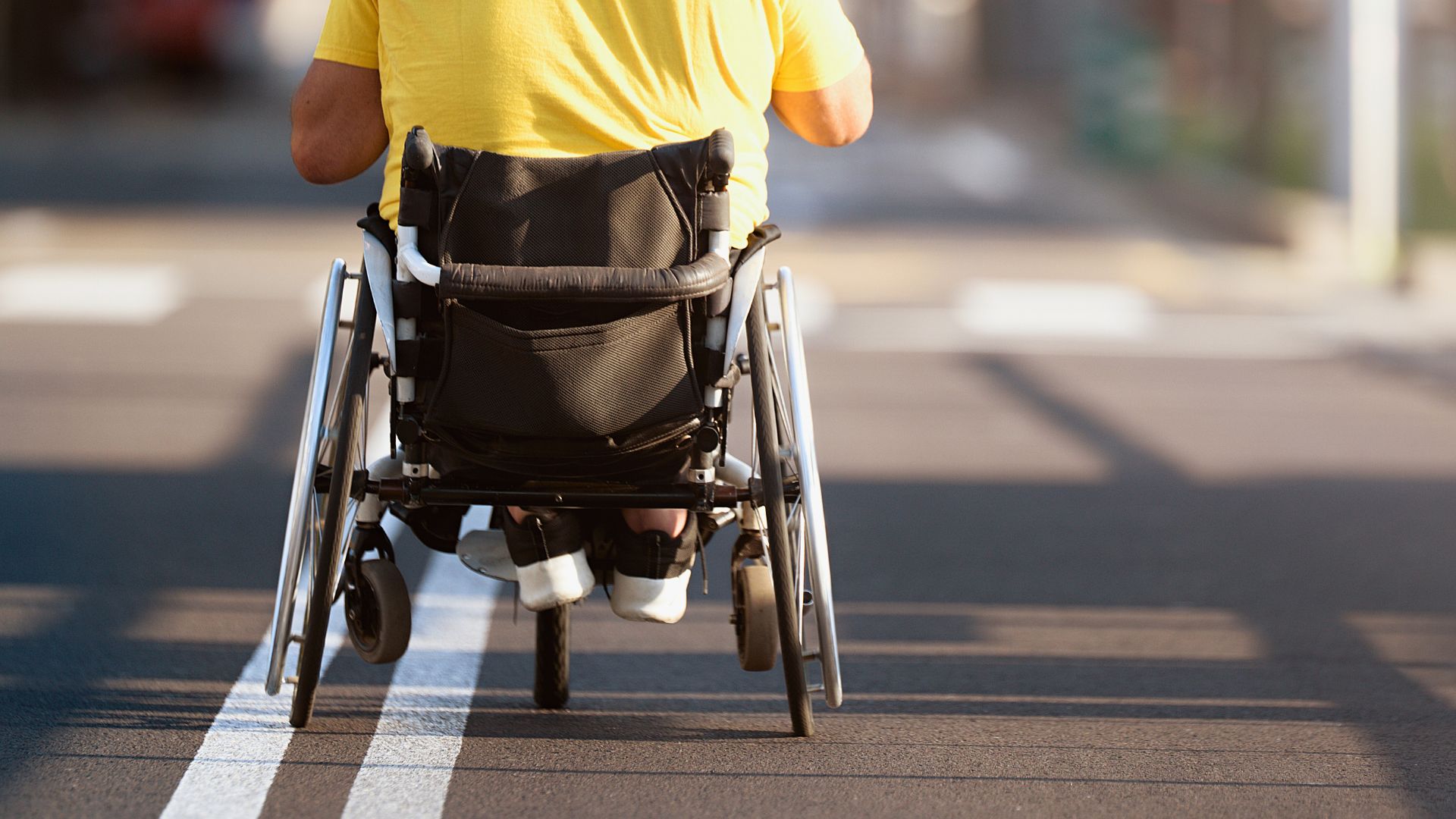
Yet, for many, feeling truly included simply begins with the ability to physically access and navigate their work environment with dignity and independence. Without the fundamental implementation of physical inclusion, inclusion of identity can feel hollow, an aspiration rather than a lived reality. Imagine a brilliant professional who feels deeply respected and valued for their identity and contributions, yet cannot independently enter the office building, use the restroom, or reach essential equipment due to architectural barriers. In such a scenario, the other inclusion efforts, however well-intentioned, fall short.
This critical emphasis on environmental adaptation aligns with a broader understanding of disability itself. As the World Health Organization's International Classification of Functioning, Disability and Health highlights, disability is increasingly viewed not solely as an individual attribute, but as a result of the interaction between individuals and their social and physical environment. This perspective indicates the responsibility of organizations to adapt their spaces to enable participation. Indeed, a recent scoping review by Rik van Berkel and Eric Breit on Organizational Practices for the Inclusion of People with Disabilities notes that scholars have long advocated for a "demand-side" approach, urging that we must "rehabilitate the environments in which they will work" rather than solely focusing on individuals.
Physical inclusion extends far beyond merely meeting minimum compliance standards. It requires a proactive and thoughtful approach to designing and maintaining spaces that are accessible to everyone, regardless of their physical capabilities. This means:
- Wheelchair accessibility: Ramps, elevators, wide doorways, clear pathways, and accessible workstation configurations.
- Accessible restrooms: Stalls with sufficient space, grab bars, and accessible sinks.
- Sensory accessibility: Clear signage, visual fire alarms, audio cues, and considerations for individuals with light sensitivities or hearing impairments.
- Adaptive technology: Providing screen readers, ergonomic equipment, adjustable desks, and other tools that enable individuals with diverse needs to perform their roles effectively.
- Clear and safe circulation: Ensuring that corridors and common areas are free of obstacles and easy to navigate.
The benefits of prioritizing all forms of inclusion are multifaceted. A sincerely accessible workplace opens the door to a wider, more diverse talent pool, enriching an organization with varied perspectives and skills. Employees in inclusive environments report higher morale, loyalty, and productivity. Furthermore, it enhances a company's reputation as a responsible and forward-thinking employer.
While celebrating and nurturing inclusion of identity in the workplace is an indispensable step towards a more equitable future, it cannot stand alone. For a workplace to be genuinely inclusive, it must first be physically accessible. Let's invest in comprehensive physical inclusion alongside robust emotional support, so that organizations can build environments where every individual is empowered not only to feel included but also to fully participate and contribute their unique talents.
If you would like to read more about disability inclusion efforts in 2026, myGwork recently released a resource - Creating Disability-Inclusive Workplaces: A Practical Guide. Download the guide below to unlock the full potential of your people.