
Why workplaces should celebrate Lunar New Year
February 8, 2024Today’s workplace is increasingly diverse, made up of people from various identities and cultural backgrounds. Workplaces have the choice to embrace this and, by doing so, foster an open and accepting environment where their employees can show up and do their best work without having to hide facets of who they are.
Celebrating the myriad of identities we as a society are made up of is not only essential for fostering an inclusive environment, but also for promoting understanding and appreciation of different traditions and customs. One such tradition that holds significant cultural and social importance is the Lunar New Year, celebrated by millions of people around the world. There are many reasons why it's important for workplaces to celebrate the Lunar New Year and many ways that they can do so effectively and respectfully.

Image source: Canva
The importance of celebrating Lunar New Year in the workplace
By acknowledging and celebrating the Lunar New Year, workplaces demonstrate their commitment to inclusivity and respect for cultural diversity. Employees from Asian backgrounds, particularly those who celebrate the Lunar New Year, feel valued and appreciated when their traditions are recognized and honored in the workplace. This inclusivity contributes to a sense of belonging and strengthens employee morale and engagement.
Embracing cultural celebrations such as the Lunar New Year also provides an opportunity for employees to learn about different cultures, customs, and traditions. This exposure helps in building cultural competence among team members, fostering mutual understanding, and breaking down stereotypes. It promotes open-mindedness and empathy, which are essential qualities in today's multicultural work environments.
On top of this, it’s a way to bring people together. Celebrating the Lunar New Year encourages teamwork and collaboration as colleagues come together to participate in festivities and cultural activities. It provides a platform for employees to bond outside of their usual work tasks, fostering stronger relationships. Shared experiences during cultural celebrations contribute to a positive work culture and increase teamwork.
By incorporating Lunar New Year celebrations into the workplace, organizations raise awareness about the cultural significance of this festival. Employees gain insight into the traditions, rituals, and symbolism associated with the Lunar New Year, fostering greater respect and appreciation for diverse cultural heritage. This promotes a culture of acceptance, where differences are celebrated rather than marginalized.
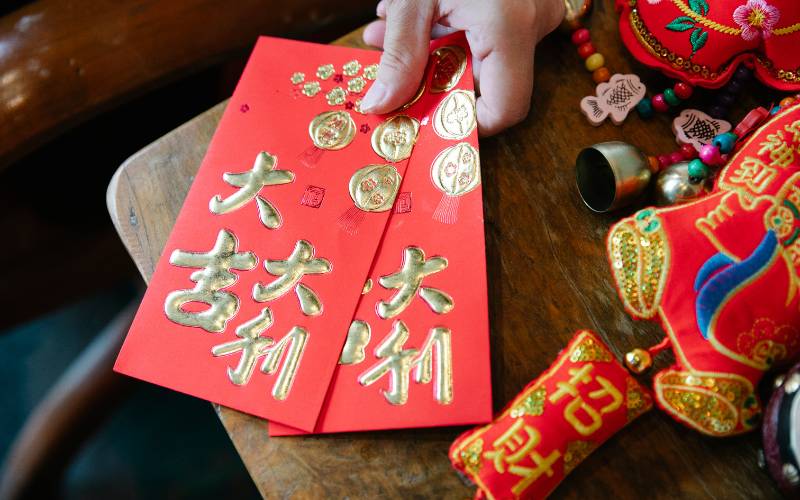
Image source: Canva
How workplaces can celebrate Lunar New Year
One way to celebrate the Lunar New Year is to host workshops or talks that educate employees about the significance of the Lunar New Year, its customs, traditions, and symbolism. Invite guest speakers or cultural experts to share their knowledge and experiences, providing insights into how the festival is celebrated in different parts of the world.
You can also make your celebrations and support visible. Decorate the office space with traditional Lunar New Year decorations such as red lanterns, couplets, and symbolic imagery representing prosperity and good fortune. Create a festive atmosphere that reflects the spirit of the occasion, incorporating elements of traditional customs.
Don’t be afraid to ask employees how they would like to celebrate the Lunar New Year. Encourage employees to take the lead in organizing your celebrations and activities. Provide support and resources to empower employee resource groups to plan and execute events that reflect the diversity of the workforce and bring people together.
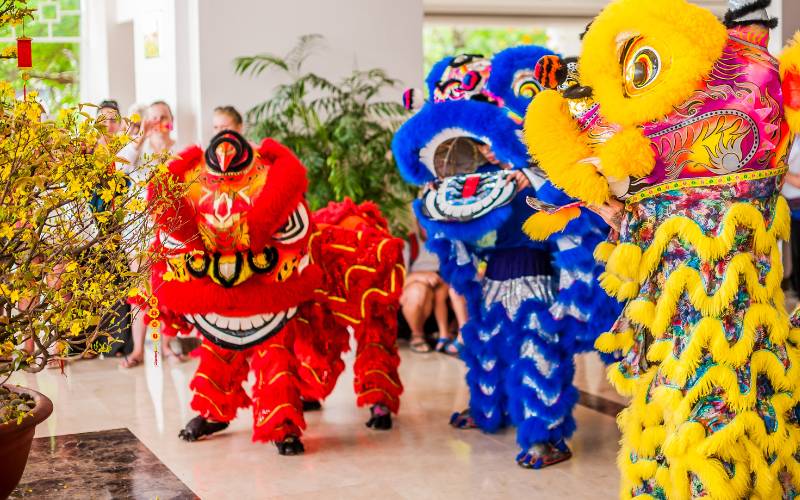
Image source: Canva
Celebrating the Lunar New Year in the workplace is not only a celebration of culture but also an affirmation of diversity, inclusion, and respect. By embracing cultural celebrations like the Lunar New Year, workplaces can create a more inclusive and harmonious environment where employees feel valued, respected, and empowered to bring their whole selves to work. Through education, cultural activities, and festive celebrations, organizations can foster greater understanding, empathy, and unity among employees from diverse cultural backgrounds, ultimately contributing to a more enjoyable and enriching workplace culture.