
Workplace LGBTQ+ advocacy steps for inclusive change
December 15, 2025Nearly one in three LGBTQ employees report hiding aspects of their identity at work. This reality underscores why building an inclusive workplace is more than just good policy. True advocacy transforms company culture, drives employee engagement, and helps every person feel they belong. Discover clear steps to assess, develop, and strengthen your organization’s LGBTQ support from the inside out.

Step 1: Assess Organizational Readiness for LGBTQ Advocacy
Assessing your organization’s current state of LGBTQ inclusivity is the critical first step toward meaningful workplace transformation. This assessment provides a comprehensive baseline that helps identify existing strengths and potential areas for improvement in creating a truly supportive environment.
According to Routledge, conducting a thorough organizational readiness assessment requires a multifaceted approach. Start by performing a detailed policy review examining existing documentation around non-discrimination, benefits, hiring practices, and workplace conduct. Look specifically for language that explicitly protects LGBTQ employees and demonstrates commitment to inclusivity.
The Human Rights Campaign recommends implementing anonymous surveys and focus groups to gather candid employee perspectives. These feedback mechanisms help uncover potential systemic barriers or cultural challenges that might not be immediately visible through formal documentation. Key areas to investigate include:
- Current employee sentiment about LGBTQ inclusion
- Perception of workplace safety and acceptance
- Experiences of LGBTQ employees and allies
- Effectiveness of existing diversity and inclusion programs
Successful organizational readiness goes beyond written policies. It requires genuine commitment to creating an environment where every employee feels valued, respected, and empowered to bring their authentic self to work. The next step involves analyzing your assessment data and developing a strategic action plan for meaningful change.
Step 2: Develop Inclusive Policies and Training Initiatives
Developing comprehensive LGBTQ inclusive policies and training programs is essential for creating a workplace that truly celebrates diversity and supports every employee. This step transforms your organizational commitment from a theoretical concept into actionable, meaningful change.
According to Routledge, effective policy development requires a holistic approach that goes beyond standard non discrimination statements. Begin by crafting policies that explicitly protect LGBTQ employees across all aspects of workplace interactions. This includes comprehensive language covering hiring practices, promotion opportunities, benefits, and workplace conduct that recognizes and respects gender identity and sexual orientation.
Your training initiatives should focus on creating genuine understanding and empathy. Design interactive workshops that help employees recognize unconscious biases, understand LGBTQ terminology, and learn practical strategies for creating an inclusive environment. Key components should include:
- Scenario based learning about microaggressions
- Understanding appropriate language and respectful communication
- Exploring the impact of inclusive versus exclusive workplace behaviors
- Providing clear mechanisms for reporting discrimination
Remember that meaningful change requires ongoing education and commitment. Training should not be a one time event but a continuous process of learning, reflection, and growth. The next phase involves implementing these policies and measuring their real world impact on workplace culture and employee experiences.
Step 3: Collaborate with LGBTQ Employees and Allies
Collaborating effectively with LGBTQ employees and allies is the cornerstone of creating a truly inclusive workplace environment. This step transforms organizational diversity efforts from top down mandates into genuine community driven initiatives that empower and amplify marginalized voices.
According to Stonewall, successful collaboration requires intentional and strategic engagement. Start by establishing formal employee resource groups (ERGs) that provide safe spaces for LGBTQ employees and allies to connect, share experiences, and contribute to organizational change. These groups should have clear leadership support and meaningful opportunities to influence company policies and culture.
The Human Rights Campaign recommends developing structured ally programs that go beyond passive support. Create opportunities for allies to actively participate in learning, advocacy, and meaningful support. Key strategies include:
- Hosting regular listening sessions with LGBTQ employees
- Developing mentorship programs across diverse groups
- Creating platforms for sharing personal stories and experiences
- Implementing intersectional approaches that recognize multiple identity dimensions
Remember that true collaboration is an ongoing dialogue. It requires consistent commitment, genuine listening, and a willingness to make systemic changes based on the lived experiences of LGBTQ employees. The next phase involves translating these collaborative insights into tangible workplace improvements and continued advocacy efforts.
Step 4: Implement Advocacy Programs and Support Networks
Implementing robust advocacy programs and support networks transforms workplace diversity from a theoretical concept into a lived reality. This critical step empowers LGBTQ+ employees by creating structured mechanisms for visibility, support, and meaningful organizational change.
According to Stonewall, effective advocacy programs require intentional design and leadership commitment. Develop comprehensive support networks that go beyond traditional employee resource groups by establishing clear goals, leadership sponsorship, and meaningful engagement channels. These networks should provide safe spaces for dialogue, professional development, and collective advocacy.
The Human Rights Campaign recommends creating multi tiered support structures that address different employee needs. Your advocacy program should include:
- Mentorship initiatives connecting junior and senior LGBTQ+ professionals
- Confidential support systems for addressing workplace challenges
- Professional development workshops targeting unique career advancement needs
- External networking opportunities with LGBTQ+ professional communities
Successful advocacy programs require continuous evolution and genuine organizational commitment. They are not static initiatives but dynamic platforms that respond to changing workplace dynamics and employee experiences.
The next phase involves measuring the impact of these programs and continuously refining your approach to create a truly inclusive environment.
Step 5: Evaluate Impact and Refine Advocacy Strategies
Evaluating and refining your LGBTQ+ workplace advocacy strategies is a critical ongoing process that transforms initial efforts into sustainable, meaningful change. This step ensures your initiatives remain responsive, effective, and aligned with the evolving needs of LGBTQ+ employees.
According to Routledge, effective impact evaluation requires a comprehensive and psychologically informed approach. Develop a robust measurement framework that goes beyond surface level metrics to capture nuanced insights into employee experiences, organizational culture, and systemic changes. This involves collecting both quantitative data and qualitative feedback through carefully designed assessment tools.
The Human Rights Campaign recommends a multi dimensional evaluation strategy that includes:
- Detailed employee sentiment surveys
- Retention and career progression data for LGBTQ+ employees
- Qualitative feedback sessions and focus groups
- Comparative analysis of workplace inclusion indicators
Critical to this process is creating a culture of continuous improvement. Your evaluation should not be a one time audit but an ongoing dialogue that invites honest feedback and demonstrates a genuine commitment to meaningful change. The final step involves translating these insights into actionable strategies that progressively enhance workplace inclusivity and support for LGBTQ+ professionals.
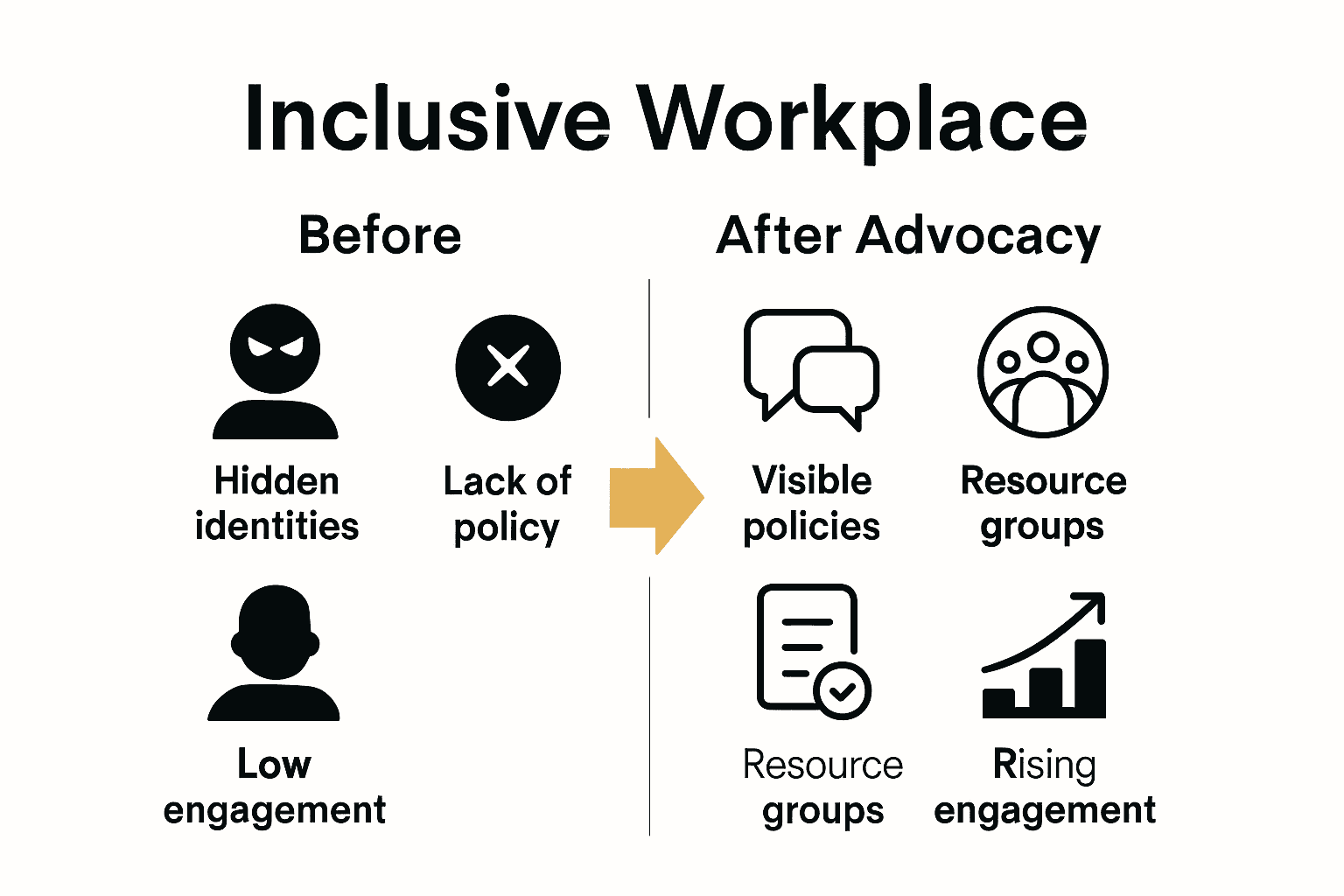
Take Action Toward a Truly Inclusive Workplace Today
Creating meaningful LGBTQ workplace advocacy demands more than policies on paper. Your organization needs real tools and connections to assess readiness, develop inclusive programs, and empower LGBTQ employees and allies. That is exactly where mygwork comes in to bridge the gap between intention and impact.
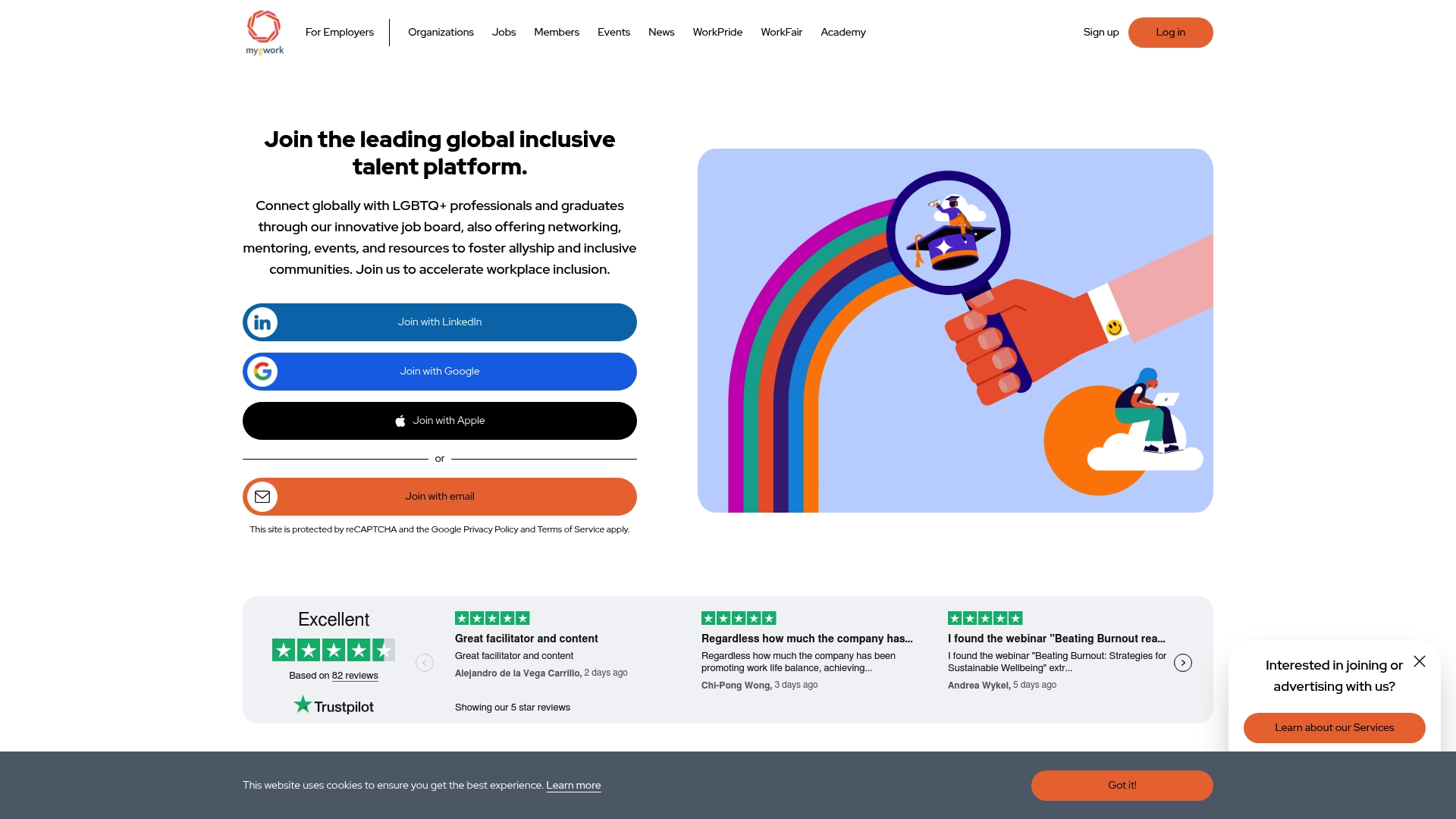
Join a vibrant community dedicated to diversity and inclusion where you can access resources, build professional networks, and find talent who value authentic workplace advocacy. Explore tailored career opportunities and engage with peers who share your commitment to fostering authentic LGBTQ inclusivity. Start your journey now by visiting mygwork and discover how you can transform your workplace culture and advocacy efforts into lasting change.
Frequently Asked Questions
What is the first step in implementing LGBTQ advocacy in the workplace?
Assess your organization’s current state of LGBTQ inclusivity. Conduct a detailed policy review and gather anonymous employee feedback within the first 30 days to identify strengths and areas for improvement.
How can we develop effective LGBTQ inclusive policies?
Craft policies that explicitly protect LGBTQ employees across all aspects of workplace interactions. Focus on areas like hiring practices and workplace conduct, and aim to finalize these policies within 60 days.
What training initiatives are recommended for fostering LGBTQ inclusivity?
Implement interactive workshops that focus on recognizing unconscious biases and understanding LGBTQ terminology. Set up these training sessions within the next quarter to ensure continuous education on inclusivity.
How do we encourage collaboration with LGBTQ employees and allies?
Establish employee resource groups that provide safe spaces for LGBTQ employees and allies to connect. Create these groups and schedule regular listening sessions in the next few months to ensure ongoing dialogue and engagement.
What types of advocacy programs can support LGBTQ employees effectively?
Create structured support networks that include mentorship initiatives and professional development workshops. Aim to launch these programs within the next six months to provide meaningful support for career advancement.
How should we evaluate the impact of our LGBTQ advocacy efforts?
Develop a comprehensive evaluation framework that includes employee sentiment surveys and retention data for LGBTQ employees. Begin this evaluation process annually to actively measure the effectiveness of your initiatives.