
Zander Murray: Winning hearts and minds on and off the pitch to combat homophobia and improve mental health & wellbeing
August 15, 2026Zander Murray made history in 2022 as the first male Scottish senior footballer to come out as gay. After retiring last year, he shifted his focus to LGBTQ+ education and advocacy. He talks to myGwork about his decision to come out during his professional footballing career and shares how his ongoing efforts to combat homophobia are inspiring change both on and off the pitch.
He also shares his views on why there are still so few openly LGBTQ+ professional footballers, why more straight elite football players need to step up as allies, and how the football industry overall can better support LGBTQ+ players and fans worldwide, and how his advocacy work is also making an impact in the mental health and wellbeing space.
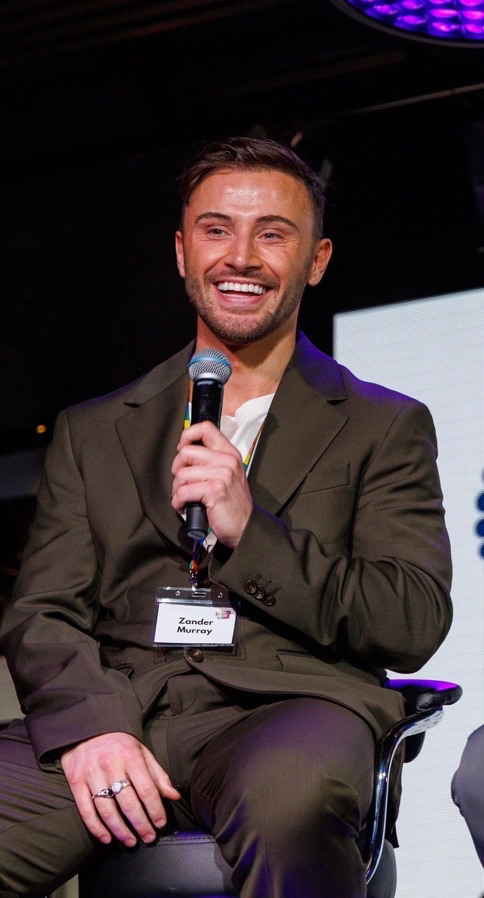
Question: Hello Zander. In 2023, you hung up your boots and retired from playing football, completely changing your career. Can you tell us what you're currently doing?
Zander: So in December 2023, I officially retired. Though I did briefly return to semi-professional football in February 2024, I’ve now completely stepped away from playing. My focus has shifted to advocacy, and it has certainly become a central part of my life. When I came out in September 2022, I didn’t realize just how many people were struggling. I received so many letters and messages from people sharing their own experiences, and it became clear to me that I needed to use my voice both on and off the pitch.
Given my background in working with government organizations and as a career coach, I felt I had the skills to empower others. It's been incredible, really. I’ve been getting involved with schools and football academies, speaking to young boys especially, because I know how much I struggled at their age. I wanted to reach out to them and say, "Look, you’re not alone." But it wasn’t just young people; people from all walks of life and various organizations have reached out.
I spoke to a charity here in Scotland called Inclusive Education, and I told them, "We need to get this done." Since then, the charity has conducted over 50 workshops with six professional football clubs. Recently, we secured funding from the Scottish Football Association for a year-long project to conduct workshops challenging homophobia in football. This is a dream come true for me.
Apart from that, I’ve been going into various organizations to do the same. I’ve found that workplace cultures, especially in male-dominated fields like engineering, construction, and finance, can be quite similar to locker room environments.
It’s been an amazing experience to share my story. Having a background in football helps to attract audiences who might not normally engage with LGBTQ+ issues. I’ve also been doing some media work, hosting events, and more. It’s been a busy, but incredibly fulfilling year.
Question: You're working hard to dispel myths about the LGBTQ+ community not just in sports and education, but also in male-dominated industries like construction. Can you share a bit more about this?
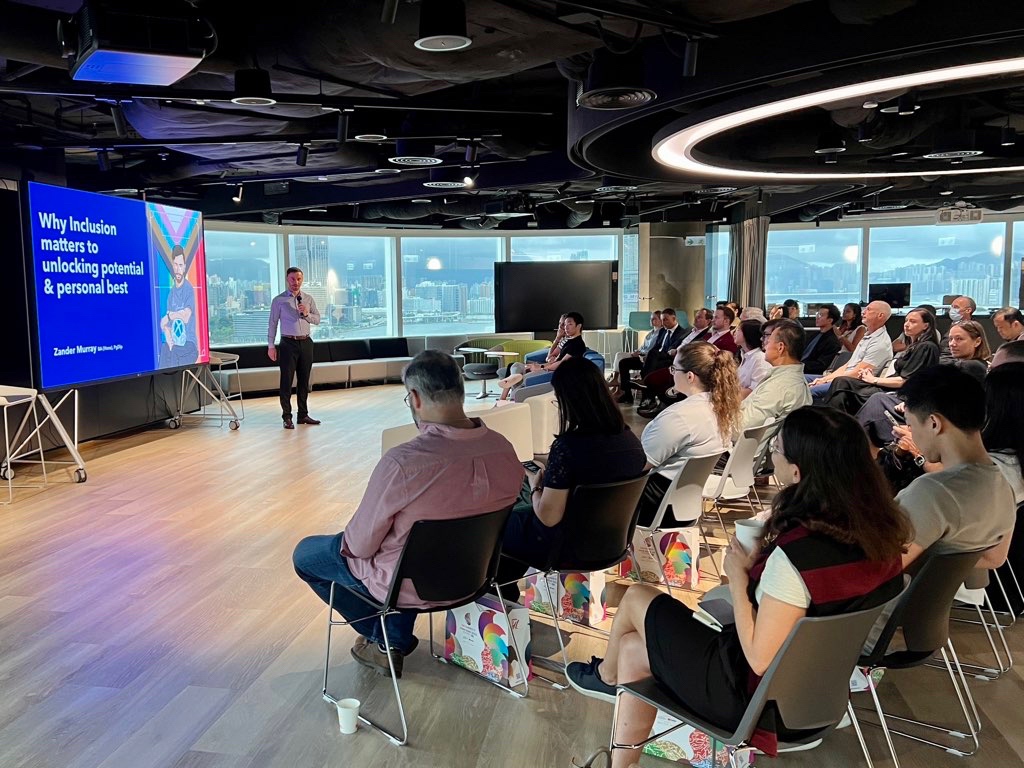
Zander: Initially, I wanted to focus mainly on educational workshops, but then I was asked to do sessions in the corporate world, back in late 2022. I was blown away by the response. Normally, there’d be questions at the end from allies, but after almost every session, someone from the organization would reach out to me privately, sharing their struggles and thanking me for the session.
Sometimes, I don’t fully grasp the impact of my campaigns until moments like that. Just by being visible and authentic, people are encouraged to come forward. For example, one woman reached out, saying my talk gave her the courage to come out at her workplace. It means a lot to know that I’m making a difference.
In my sessions, I tell my story and share where my own internalized homophobia began. Growing up in the East End of Glasgow, which is a very stereotypical working-class area, and being right next to Celtic Park – a big football club – my earliest understanding of what it meant to be gay was very negative. My dad would take me to matches, and I remember him pointing out a pub across the street [popular with the LGBTQ+ community], saying, "You never want to drink there, son."
When you combine that upbringing with the culture in professional football, my internalized homophobia only grew stronger. Sharing these stories in professional settings has shown me just how many others have gone through similar experiences. I’m not just helping people who are struggling; I’m also trying to change perceptions. I hope that when I share my story, it resonates with people, even those who might have homophobic friends but aren’t fully convinced themselves. I want them to see how the direct impact of their words and actions can have on others.
Question: You’re truly changing hearts and minds. What inspired you to come out publicly as a gay footballer, despite the challenges?
Zander: There were many factors that inspired me. Visibility was crucial. Seeing others in the game, like the amazing work of players like Thomas Hitzlsperger [a professional German footballer who played as mid-fielder for Aston Villa], who came out before me, really made a difference. I also had the support of allies in my own football environment, which was invaluable.
My former manager, for example, was a great ally. I’ll never forget how he used to tell the team after a win, "Go home, relax and chill with your girlfriends or boyfriends, or whoever." At first, it got a few laughs, but he kept saying it. Eventually, our captain stepped up and said, "If anyone’s got a boyfriend, that’s not an issue." That was a turning point for me.
In April 2021, I came out to my friends and family, but I was still hesitant to be open in the football community. It wasn’t until September 2022 that I felt ready to come out publicly. It actually happened during a Pride event in Benidorm. My partner wanted to take a photo of us, but he hesitated, saying he couldn’t post it because of my football career. At that moment, I realized I didn’t want to hide anymore.
I sat on the balcony of our hotel, and as the sun was setting, I thought to myself, "You’ve carried this burden for 16 years, it’s time to let it go." I posted the photo on my private Facebook, where my teammates were also connected, and went to sleep. When I woke up, my world had changed. Lorraine Kelly from Good Morning GB reached out, asking me to come on her show. That’s when it really hit me – this was bigger than just me.
Coming out publicly was one of the best decisions I ever made. It’s allowed me to live authentically and help others do the same.
Interviewer: Many LGBTQ+ athletes often say that they actually played their best game ever after coming out. Was that the case for you?
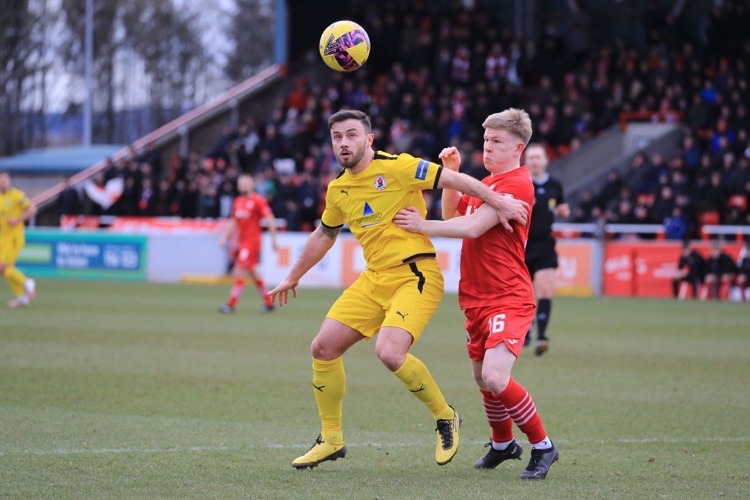
Zander: Definitely. I remember I was on the verge of scoring my 100th career goal, and I had a really badly sprained ankle. It was so bad that I wasn't supposed to play. But I knew this was my first game back since coming out, and there was a lot of media attention on the game. It was the Scottish Cup, which is like the FA Cup there, and I ended up scoring my 100th goal in my first game as an openly gay player. That’s something that can never be taken away from me.
I even have a photo from a few games after that, where I’m celebrating with a group of young kids, maybe 15 to 20 of them. They had started coming to my matches after hearing my story, and many of them had come out to their parents as part of the LGBTQ+ community. It was incredible to engage with their parents on social media and see these young fans so inspired. There was one game where a player on the opposing team was borderline homophobic, but he got sent off, and I ended up scoring the winning goal. I celebrated with those kids, and it was such a powerful moment.
Not everything has been easy, though. I've had my share of hate, but the love and support have been overwhelming. That football I scored the 100th goal with is now in the National Football Museum. If a young kid comes across that, I hope it helps them as much as it would have helped me when I was younger.
Interviewer: Did you face any personal challenges after coming out as a footballer last year? How did you overcome those challenges, particularly when dealing with homophobia?
Zander: I always call myself an unintentional trailblazer. I never really understood the impact I was making. I wasn’t the first professional footballer to come out – young English footballer Jake Daniels set the tone – but I was different because I had lived 16 years in the closet. My advice to anyone, especially in hyper-masculine environments, is to build up that armour. You have to accept that some hate might come your way. But once you’re able to brush it off, it becomes easier.
Of course, it was overwhelming at first, especially when I moved up to professional football again. I had so many opportunities in the past, but I turned them down because I was in the closet. That’s my one regret, and it’s why I’m such an advocate now for being true to yourself. When I came back to the game, I did see hatred online, which wasn’t easy to deal with. I remember someone commenting that I was only getting opportunities because I was gay. But that wasn’t true. I had scored over 100 goals, and the managers who signed me did so because of my abilities, not my sexuality.
What was encouraging, though, was seeing other fans, not just LGBTQ+ supporters, but general football fans, stand up against that nonsense. Even when I was filming a documentary, the only time I faced abuse on the pitch, it was immediately called out by other fans, and the person responsible was banned for life.
Yes, I’ve faced hate, but I know that the work I’m doing, and the visibility of people like me, is changing hearts and minds. That’s something I’m incredibly passionate about. I’m always tweaking the way I do my work because I want to influence decision-makers and policymakers. We’re in the limelight for the right reasons now, and that’s what I’m focused on.
Question: As you mentioned, there are still only a handful of openly LGBTQ+ professional footballers. Why do you think that is?
Zander: It's true, even now there are very few openly LGBTQ+ footballers. Recently, there's been some discussion in the media about this topic, with reports suggesting that several players might be preparing to come out. I've been in touch with an organization in Germany that's been working on this issue, and while I think it's important, I'm concerned about the way it's being handled. There's been a lot of hype, with headlines suggesting that a big "reveal" is imminent. But this approach can be harmful. We've seen it before—rumors spread, and the players who are supposedly going to come out don't, leaving a vacuum that can be damaging.
For me, it's crucial that players come out when they feel ready, and not because they're being pressured by the media. The reality is that coming out as an elite athlete can attract both support and hatred. The social media backlash, in particular, can be harsh, and it's something that players and their advisors need to be prepared for. Unfortunately, some people believe that coming out might negatively impact a player's career, whether through sponsorships or team dynamics, which might discourage them.
My hope is that in the future, we won't need these media spectacles. Players should be able to come out when they're comfortable, in their own time, and it should be a normal part of their lives, not something that makes headlines. I believe that when someone does take that step, they'll find that while there will be challenges, they'll also receive overwhelming support. Their bravery will inspire others and have a profound, positive impact on many lives.
Question: What advice would you give to LGBTQ+ football players, especially those in elite clubs, who are struggling with their identity and considering coming out?
Zander: The most important thing is to make sure you've fully accepted yourself. You need to build up your resilience because there will be challenges. Prepare yourself mentally for the fact that you might face criticism, but also know that there is a lot of support out there. If you're doing this for the right reasons – because you want to be true to yourself and be part of this community – then you'll be seen as a hero by many.
People often focus on the negatives, but there has been so much positive progress. We’ve seen many people being celebrated for their courage, and it’s incredible. For example, some individuals have won awards and received recognition for their advocacy and bravery.
If a high-profile Premier League player were to come out, they could become a huge role model, someone who might even be celebrated with statues. They need to remember that their actions could literally save lives; young people struggling with their identity could be inspired and reassured by their bravery.
In my own experience, even though I’m still relatively new to this work, I know that my efforts – whether through workshops, documentaries, or speaking out – have made a difference. I’ve received messages from people saying that what I’ve done has saved their lives. The same could be true for any footballer who comes out; they could open the door for others and create a ripple effect of acceptance and support.
Question: How do you think the football industry can better support and include LGBTQ+ players and fans?
Zander: It requires a multifaceted, holistic approach. Education is key. Re-educating people to win over hearts and minds is crucial. Visibility, such as displaying pride flags in workplaces and stadiums helps too, but we need to evolve our strategies in the men's game. Over the past decade, initiatives have raised awareness, and that's been great, but now we need to be more mindful of how we use symbols like the pride flag. We should focus on genuine inclusion rather than just symbolic gestures.
The "Football vs. Homophobia" campaign has been effective because they understand the importance of winning over hearts and minds. As someone who knows the football culture, I’ve heard players and fans talk about these issues, and I believe the next step is ongoing education. It’s not enough to do one-off workshops; we need a sustained 5- to 10-year plan to truly change attitudes, especially within football academies. This is something we've tried to implement in Scotland, ensuring that education is embedded at every level – coaches, fans, referees – everyone.
We need to make people understand why certain behaviors and attitudes are unfair. Real-life examples and case studies can be powerful tools in these discussions. It's essential to create environments where people can have face-to-face conversations, rather than just arguing on social media, which often accomplishes nothing. In my experience, workshops in various football clubs and schools have been effective, and no one in a leadership position has ever denied their importance.
Question: Many people believe organizations like FIFA could do more to combat not just LGBTQ+ discrimination, but discrimination in general, and promote fairness on and off the pitch globally. What are your thoughts on this? What more can these organizations do to make a real difference?
Zander: FIFA's approach has been to host World Cups in countries with poor human rights records, hoping that it would lead to relaxed laws and more inclusive attitudes. But has that really happened? The legacy of these decisions is questionable. Activists like Nasser Al-Khelaifi [President of Paris Saint-Germain Football Club (PSG) and Chairman of Qatar Sports Investments] have done incredible work calling out transphobic and homophobic laws in the Middle East, but the situation remains challenging for many LGBTQ+ people in those regions.
A recent study during the FIFA Women's World Cup, found that homophobic incidents were more prevalent than any other form of discrimination. I'm glad to see that UEFA has now funded initiatives to challenge homophobia, and organizations like Kick It Out are applying for grants to support educational workshops. These are positive steps, but at the higher levels of the sport, money still talks. Unfortunately, financial interests often overshadow efforts to promote inclusion.
That said, we must continue to chip away at these issues through protests and advocacy, but also through education. For example, LGBTQ+ fans are often told they'll be safe if they attend events in countries with discriminatory laws, but that assurance rings hollow when those fans can’t even share a hotel room without fear of persecution. We need to keep explaining why these situations are unfair and push for change.
Visibility is also important. Players like Czech professional footballer Jakub Jankto [who plays who plays for Serie A club Cagliari] are setting a powerful example.
However, we need more high-profile football players, especially in leagues like the English Premier League or La Liga, to come out and be visible. When that happens, it will send a strong message that football is a game for everyone, regardless of their sexual orientation or gender identity. At the end of the day, football is a beautiful game, and it should be beautiful for everyone.
Question: Do you think there's enough allyship in sports? What more can allies do to level the playing field?
Zander: Allyship is crucial, but it’s more than just claiming to be an ally; it’s about being genuinely engaged and open to learning. A true ally needs to be willing to broaden their horizons, get out there, and meet people from different backgrounds. It's not enough to simply have an LGBTQ+ friend in your circle – although, of course, it does help. For others, it's about having an open mind and being willing to listen and learn. I've been fortunate to meet allies who really embody this, and it’s been encouraging.
For me, allyship often starts with the basics – like making eye contact and showing respectful body language. I’ve been in situations, especially when speaking at football academies, where you can just feel when someone isn’t accepting of you. I’ve walked into clubs, shaken hands, and instantly sensed that some people weren't willing to accept me as a person. That can be tough. But on the flip side, there are others who are just naturally respectful and kind, regardless of their personal beliefs.
Recently, I shared a post about a Christian group from Scotland who sent me some hateful letters when I first came out. Instead of reacting with anger, I reached out to them and asked if we could meet for coffee to talk things through. While we may never agree on everything, I believe we can still find common ground through conversation. This approach is something I try to apply even in challenging situations, like when Jehovah’s Witnesses came to my door. Instead of shutting them down, I decided to have a respectful discussion, which was surprisingly positive.
The key is to get people in front of each other, talking face-to-face, rather than relying on the noise of social media. This personal connection can help break down misconceptions. I’ve seen it with my own friends and family who initially had negative views about the trans community until they met a trans person in real life. Those personal experiences can be transformative.
Question: Why aren't we seeing more straight elite football players stepping up as allies? What could they do to make a difference for LGBTQ+ players, especially those who are closeted?
Zander: There’s a lot of pressure from certain groups – like the Andrew Tate brigade or others who push toxic narratives – to conform to outdated ideas about masculinity. But here’s the thing: we need to remember why we're advocating for change in the first place. It's about creating a safer, more inclusive environment for everyone. If a straight player has a platform, even doing something small, like speaking up in support of LGBTQ+ rights, can make a massive difference.
We can’t underestimate the impact of positive role models in the game. For instance, Joey Barton [an English professional football manager and former midfielder], who’s known for being a bit controversial, once supported a Stonewall campaign back in 2013. If more players, especially those in the spotlight, took similar stands, it could help shift the culture within the sport.
We need to continue explaining why this fight matters – why it’s essential for people to feel safe and accepted in football, regardless of their sexual orientation. I share my own story to illustrate the struggles many LGBTQ+ people face, like the loneliness and torment of growing up without visibility or support. When I came out, I was overwhelmed by both positive and negative reactions. Some of the letters I received were heartbreaking, from people who were struggling just to accept themselves. That’s why I’m so passionate about this cause because I know what’s at stake.
If straight players understood this and used their influence to promote understanding and acceptance, it could pave the way for more authentic allyship. It’s about helping people be their true selves, without fear or shame. And if being an advocate for that is seen as a bad thing, so be it; I’ll keep doing it because it’s the right thing to do.
I've had some success in winning people over, even those who initially seemed resistant. It's all about getting them to understand the “why” behind what we do. The more people understand that, the more authentic our allies will be.
I was recently on a popular Scottish sports podcast, which has a big following among straight, football-loving guys – the kind of audience I was nervous to address. But the response was amazing. People were surprised to see a gay man just having a laugh with two straight guys, breaking down stereotypes about what it means to be gay. It showed that we’re just like everyone else – we enjoy banter, we love football, and we’re normal people. It’s moments like that which help change perceptions and build real allyship.
Question: What changes would you like to see in the future regarding inclusivity and acceptance within football?
Zander: Moving forward, I hope to see a greater emphasis on understanding the "why" behind inclusivity. It’s essential for people to be brave and put themselves out there to support this cause. Media plays a significant role in shaping perceptions, so it’s crucial to be mindful of how LGBTQ+ issues are portrayed and ensure that the messages are supportive and accurate.
I envision a future where tolerance grows, where the rough and ready attitudes in football become more accepting. While there is already some acceptance among straight males, there is still a lot of work to be done. We need to address the impact of homophobic abuse and its effects on individuals. The more we can educate people and raise awareness about how their actions affect others, the better.
For example, we have a variety of resources and workshops available that can help educate and challenge homophobic behavior. It’s not just about avoiding harmful slurs; it’s about fostering a culture of respect and understanding. Even seemingly minor changes in language can make a big difference in creating a more inclusive environment.
I hope that our collective efforts will lead to greater acceptance and understanding within football and beyond. It would mean the world to me if we could create an environment where everyone feels valued and respected.
Question: You're making significant strides not only in sports but also in the business world. What's next for you? What are your future plans?
Zander: I'm currently balancing multiple meaningful projects and feel energized by work that creates genuine impact. Over the next couple of years, I'm focused on refining my approach to make a lasting difference in both LGBTQ+ advocacy and mental health support.
Since retiring from football in late 2023, I've expanded my work significantly. I'm delivering talks on homophobia in sport and how to make sports clubs more inclusive, building on my experience as Scotland's first openly gay footballer. These workshops and educational initiatives have evolved from my personal journey of coming out in 2022, when being in the closet really wreaked havoc on my mental health.
My speaking engagements now span multiple areas - from LGBTQ+ panels and mainstream events to mental health keynotes and award ceremonies. I'm not just sharing my story; I'm actively working to become a certified mental health and wellbeing coach, recognizing the deep connection between identity, trauma, and healing.
What excites me most is the opportunity to combine my lived experience with professional training to support others facing similar challenges. My platform allows me to address both the specific issues facing LGBTQ+ individuals in sports and the broader mental health challenges that affect our entire community. I'm exploring new ways to make this work sustainable and impactful, whether through coaching, hosting events, or developing educational programs that create real change.
The work feels more purposeful than ever - moving beyond just visibility to providing practical tools and support for mental health and wellbeing.