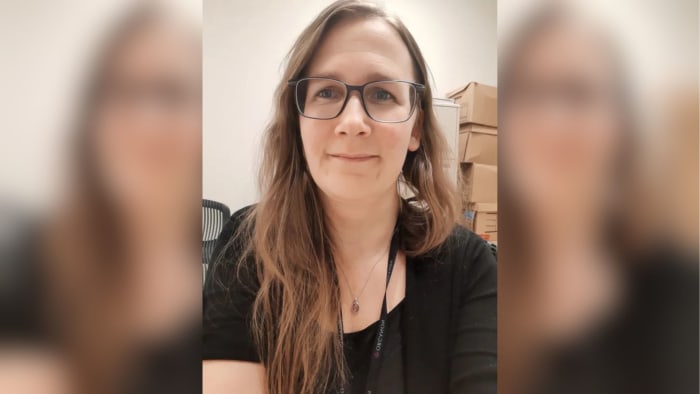
Allyship in Action: Valerie's Story
July 31, 2026myGwork sat down with Valerie Comeau-Caissy, Quality Assurance Specialist and Canadian co-lead of the Organon Canada Pride Network, to talk about what visible, active LGBTQ+ allyship looks like in practice.
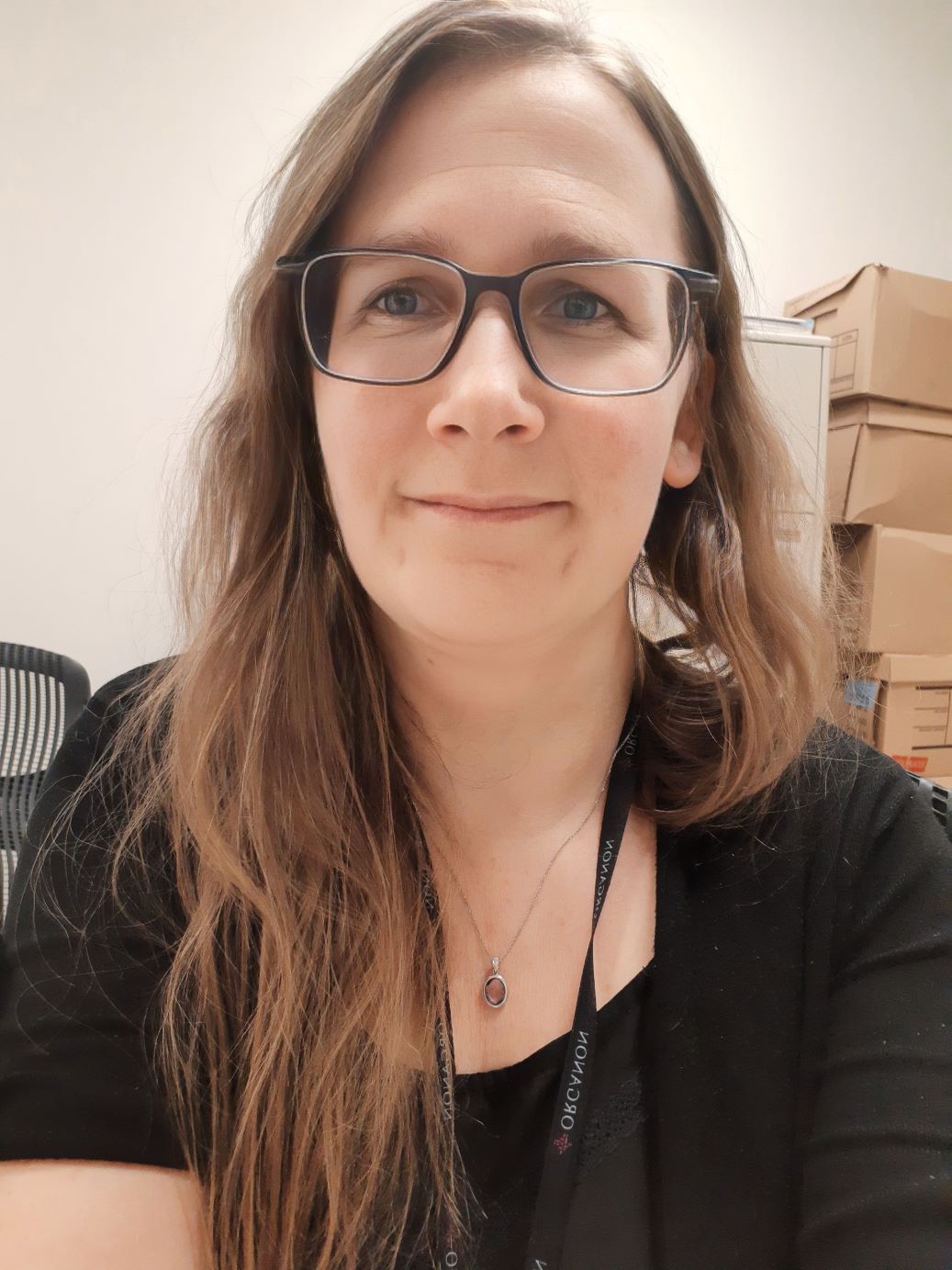
Hi Valerie! Please introduce yourself and describe your role within your organization.
My name is Valerie, and I work as a Quality Assurance Specialist at Organon Canada. Alongside my role in quality, I am also the Canadian co-lead for the Organon Canada Pride Network. Through this work, supported by a strong inclusion, innovation and belonging local ERG, I help advance awareness, education, and advocacy efforts that foster a more inclusive workplace for the LGBTQ+ community and its allies.
How, when, and why did you decide to be an LGBTQ+ ally?
In many ways, I think I’ve always been on this path. Even as a child, I was deeply curious, empathetic, and hopeful for a world where people could simply be themselves and be treated with kindness. Those values stayed with me into adulthood and became part of how I parent and how I show up in the world.
As I learned more about the lived experiences of the LGBTQ+ community, it became clear to me that good intentions alone are not enough and as a result, allyship cannot remain passive. While support in principle matters, visible allyship is what truly moves the needle, so to speak. If we want lasting change, the inspiring kind - changes rooted in inclusion, peace, and understanding, then allies must be willing to step forward and be seen. This realization shaped the belief that this is the obvious path for me.
Have you been involved in any activities within your organization’s LGBTQ+ network, and which ones?
Yes. As Canadian co-lead of the Organon Pride Network, I’ve been involved in developing and supporting educational initiatives, awareness campaigns, and opportunities for community members and allies to share experiences together and celebrate our uniqueness with pride. A key focus of my involvement has been ally education — encouraging training, open conversations, and knowledge-sharing. I strongly believe that a lack of allyship often stems from ignorance or fear of asking questions, and my goal has been to help remove those barriers.
How can allies help create an inclusive workplace?
Allies are vital because progress has never happened in isolation. The LGBTQ+ community had to unite and fight for its rights precisely because allyship failed them for far too long. When those with privilege remain silent, discrimination persists — and this is sadly true across many forms of inequity. Allies help shift that dynamic by using their voices, platforms, and influence to support equity, even when it doesn’t directly affect them.
Allies create inclusive workplaces by being visible, vocal, and engaged. They challenge bias, advocate for equitable policies, and help normalize learning and growth. Allyship also creates psychological safety : when people see allies asking questions, admitting what they don’t know, and listening with empathy, it reinforces that inclusion is a shared responsibility. That culture of openness allows people to feel respected, valued, and safe bringing their authentic selves to work.
What advice would you give to someone who wants to become an ally?
Be curious, be humble, and be brave enough to ask questions. You don’t need to be an expert to be an ally — you just need to be willing to learn, and sometimes unlearn. Seek out training, listen to the voices of the community, and accept that mistakes may happen along the way. Silence often comes from fear, but respectful engagement is far more powerful. Allyship is a continuous journey, not a one-time commitment.
An LGBTQ+ ally is someone who chooses action over silence. They listen without defensiveness, learn without ego, and stand up even when it’s uncomfortable — especially when it’s uncomfortable. Inclusion doesn’t happen by accident; it happens when people commit to empathy, education, and accountability. An ally doesn’t have to be perfect, but they must be present, intentional, and unwavering in their support of dignity, equity, and belonging for all.
What has been your greatest achievement as an ally?
My greatest achievement as an ally happened at home. While creating and editing a presentation on How to Become a Better Ally for the Organon Pride Network, my daughter sat next to me. What started as work quickly turned into one of the most meaningful conversations we’ve ever had. We talked openly about the spectrum of gender identity, gender expression, and sexuality, and she shared how she sees herself within those spectrums, along with her own torment, questions and reflections. We both learned a lot about each other that day.
That moment reminded me that allyship doesn’t only live in policies, networks, or presentations. It lives in everyday spaces — like a random Wednesday night at the kitchen table — where curiosity is welcomed and conversations feel normal, even casual. Knowing that I’ve helped create a family environment where these discussions feel safe and natural is, without question, my greatest achievement as an ally.