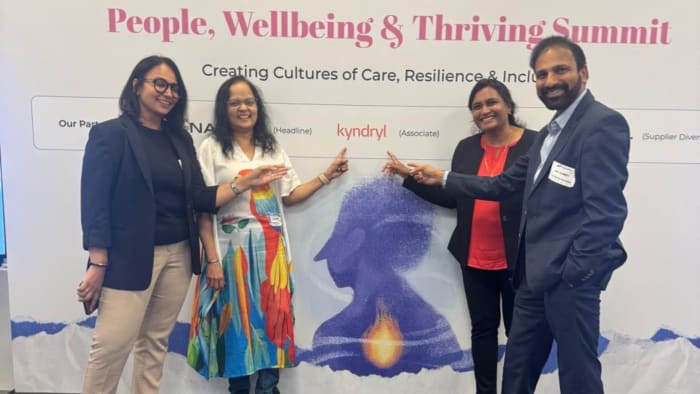
Kyndryl's Indira Jois on LGBTQ+ mental health, inclusion, and the power of workplace community
May 13, 2026Indira Jois, Director at Kyndryl and former chair of the company’s LGBTQ+ and Allies Kyndryl Inclusion Network (KIN), shares her perspective on why mental health conversations matter - especially for LGBTQ+ professionals. Indira also discusses the unique stressors LGBTQ+ employees can face, practical steps people can take to care for their mental health, and what employers can do to build psychologically safe, supportive workplaces.
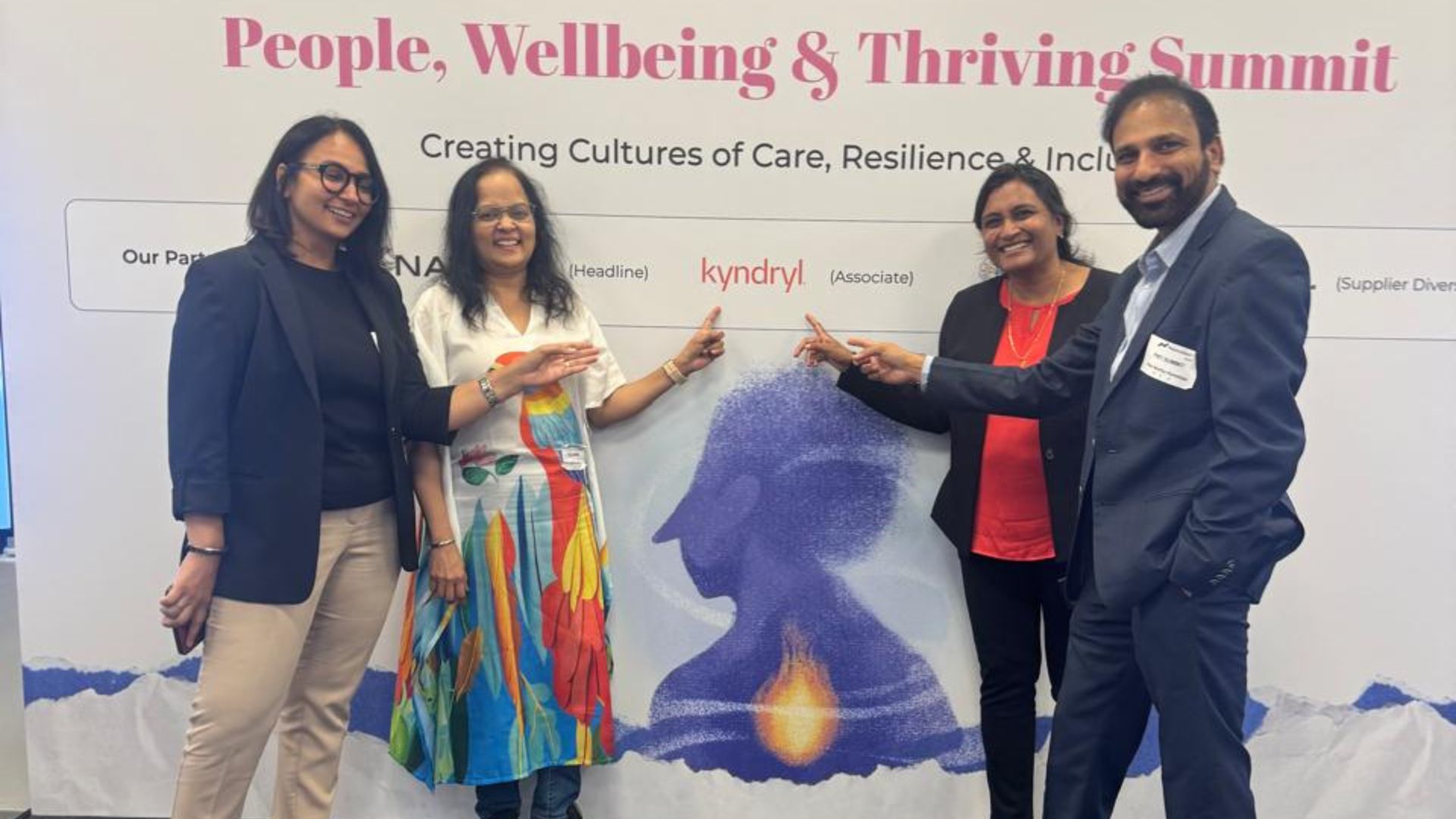
Please introduce yourself and tell us about your role at your organization.
My name is Indira Jois,. and I work at Kyndryl as a Director taking care of migration and modernization for a portfolio of US customers. I also was a chairperson for an ERG network (we call them KINs - Kyndryl Inclusion Networks, open to all Kyndryls) for LGBTQ+ and Allies group until recently.
Why do you think it’s important to discuss mental health in the workplace?
In an increasingly fast-paced and complex world, I believe one should be able to cope with the normal stresses of life, work productively and fruitfully to bring their best selves to work. To do this, I think we should normalize the discussion around mental health in the workplace. It is said that employees who are highly satisfied with workplace wellness are 62% more engaged, contribute 34% more discretionary effort, and deliver 31% greater enterprise contribution.
Do you think it’s important to talk specifically about LGBTQ+ mental health? Why?
LGBTQ+ employees often face unique stressors at work, such as stigma, invisibility and lack of psychological safety.
These experiences can directly impact well-being, engagement and performance if left unacknowledged. Naming LGBTQ+ mental health explicitly reduces stigma, builds trust and encourages people to seek support earlier. It also signals that the workplace is inclusive, affirming and genuinely committed to the well-being of all employees.
What advice would you give to an LGBTQ+ professional who is struggling with their mental health?
Use Kyndryl’s Be Well services to access confidential counseling and well-being support tailored to your needs. I recommend connecting with safe communities or allies at work to build a sense of belonging and reduce isolation. Prioritize your self-care and set boundaries, and don’t hesitate to seek help or workplace support when needed.
What tips would you offer employers on how they can better support LGBTQ+ people and their mental health?
My advice is to create an inclusive culture where all employees feel safe to be themselves, backed by clear anti-discrimination policies and visible leadership support. Provide access to inclusive mental health resources, such as counseling services that understand different identities and experiences. Train managers to recognize mental health challenges and respond with empathy, confidentiality, and appropriate support. Foster open dialogue and peer support networks to build community, reduce stigma and foster a sense of belonging.
What role do you think an LGBTQ+ network can play in promoting discussions around mental health in the workplace?
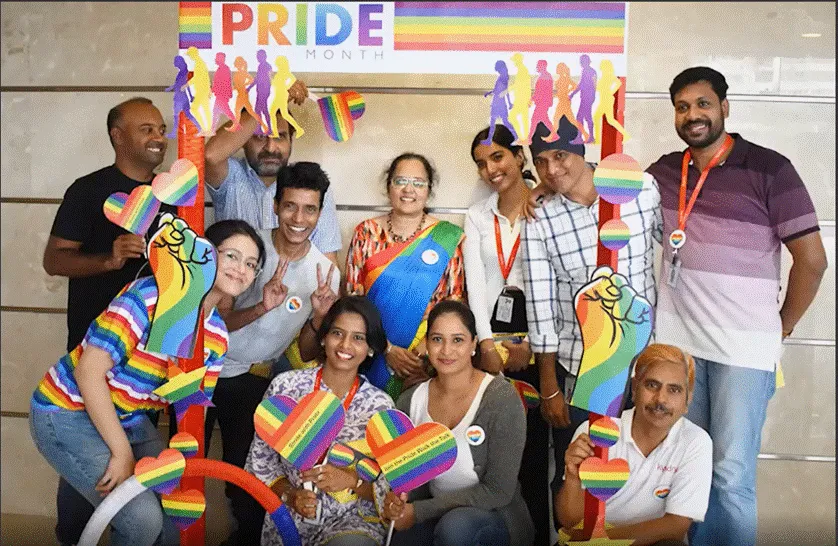
An LGBTQ+ network can create safe, trusted spaces where employees feel comfortable discussing mental health without fear of stigma or bias. It can help raise awareness through campaigns, storytelling, and events that normalize conversations around well-being and identity. The network can partner with HR to help connect employees with available mental health resources and support. It also builds peer support and allyship, helping individuals feel less isolated and more connected at work.
What can employers do to ensure their staff have a healthy work-life balance?
Set realistic workloads and discourage a constant “always-on” culture so employees can truly disconnect after work. Offer flexible working options - such as remote or hybrid models to help people manage personal and professional responsibilities. Encourage regular breaks, time off, and the use of vacation days without guilt or stigma. Train managers to respect boundaries, model balance and check in regularly on team member well-being. Provide well-being resources and support programs that help employees manage stress and maintain overall health.
What does taking care of your mental health look like for you?
I maintain a balanced routine for work, rest and activities that help me recharge. I keep a close watch on my stress inducers and mindful of my stress levels and most importantly on my sleep patterns. When things feel overwhelming, I connect with supportive people and have an open conversation. I also seek professional help and use all well-being resources available. Finally having a “glass half full” approach and “let them” theory seems to have helped me in maintaining my mental health.