
The Reality of Living with an Invisible Disability
June 30, 2026About me
My name is Catherine Bradley. I am a Customer Relations Manager at L&C Mortgages focusing on managing any customer complaints and ensuring good outcomes, and have been here for just over 13 years. I am a member of multiple employee resource groups focusing on equity, diversity and inclusion, and helping others around us as it’s a subject that is very important to me.
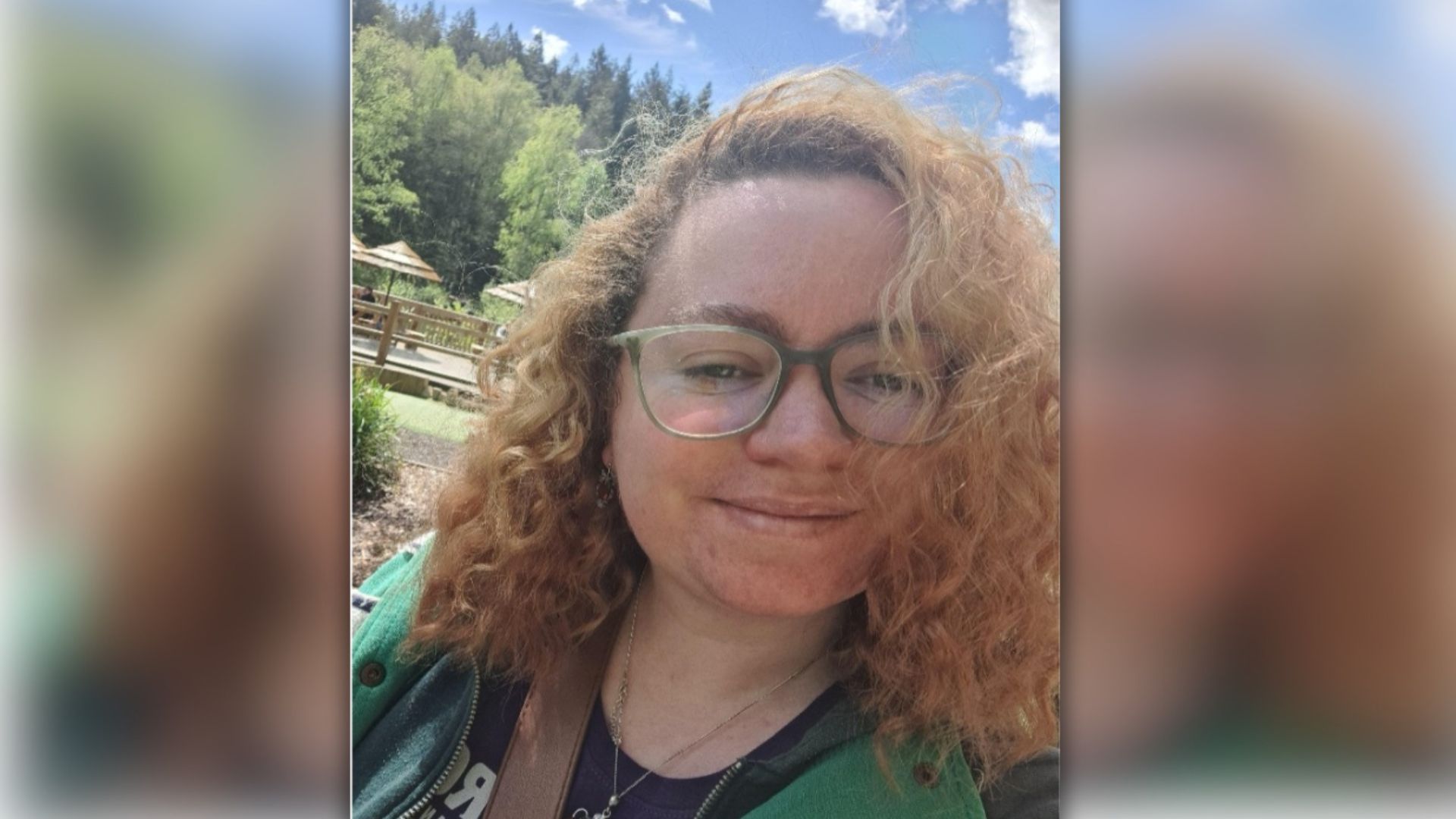
You don’t ‘look’ disabled
I’ve been type 1 diabetic for 19 years; that’s over half my life at this point. At first glance, and even at second or tenth glance, you wouldn’t know I live with a hidden disability unless you knew what to look for – the blood glucose sensor on the back of my upper arm, the fact that I’m never without a bag of emergency sweets on me, and my insulin pen used to administer my medication at meal times. But even those things are hidden away, not out of a sense of shame, but because being diabetic is just a part of me and not something I tend to bring attention to unless asked.
As I’ve had to live with this disability since I was a teenager, I’ve had to learn how to not let it define me or put limitations on what I want to do. But at the same time, I have to face the reality that as there’s currently no cure, I will be managing this condition for life and making certain decisions now which will hopefully mean I have fewer complications later on in life but might mean I cannot join in with others to the same level (e.g not drinking large amounts of alcohol at a party due to how it affects my blood sugars)..
Daily Obstacles
Living with a disability can bring a lot of ups and downs, give and take, and sometimes everything goes wrong and you feel like your body is actively working against you. There’s everyday challenges I’ve had to face and I’ve had to work out how to deal with them as I go. No one thinks to warn you about them when you get diagnosed, such as how my menstrual cycle affects my blood sugars, how to navigate sickness bugs and keep my sugars level when the thought of food makes me ill, or how stress makes it harder to control my blood sugar as well.
The emotional journey
Sometimes it feels like you’re a stranger living in your own body, because what worked last week isn’t working this week and you don’t know why. The thought of the emotional labour that I’d have to go through to explain that to others who don’t live with this condition, so can sympathise but not fully empathise or truly understand my struggle, can be exhausting. I also feel guilty admitting that, as it’s not their fault – Diabetes just isn’t a disability that people are educated about much.
Defining moments
The moments that have defined my journey, I’d say, are the beginning, because I very nearly didn’t make it. I was only a few days away from dying by the time I was diagnosed due to the severe weight loss, dehydration, and dangerously high amount of glucose in my blood.
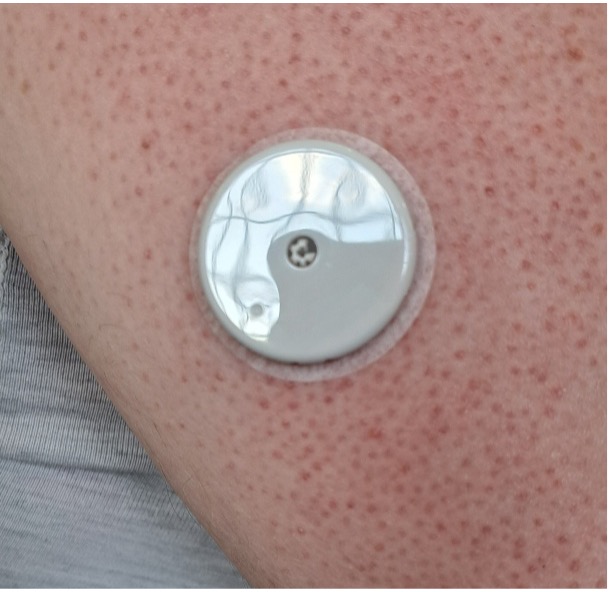
I’d also say when I got my blood glucose sensor a few years ago was a defining moment, as it allows me to have a 24hr picture of what my blood is doing, giving me more control over my diabetes. It’s a lot easier and less painful than having to prick my finger to draw blood every time I want to check my sugar levels.
And finally, I’d say now. And every day that came before or comes after, because each day I make it through is because of all the injections I do, even when it would be nice not to have to for once. It’s the blood sugar checks, the hypos (low blood sugars) that are like mini seizures in my brain that make me feel drained and sluggish afterwards, the hospital appointments, the blood tests, the eye checks, the bruises and all the other little things I have to do or put up with just to have the same quality of living that people without disabilities have.
None of these things would be possible without people around me providing help and support when I need it, and I went from just surviving to fully living when I realised that asking for support was not a weakness, it was not special treatment. It was about having what I needed to manage my health yet still thrive.
Pride in adapting
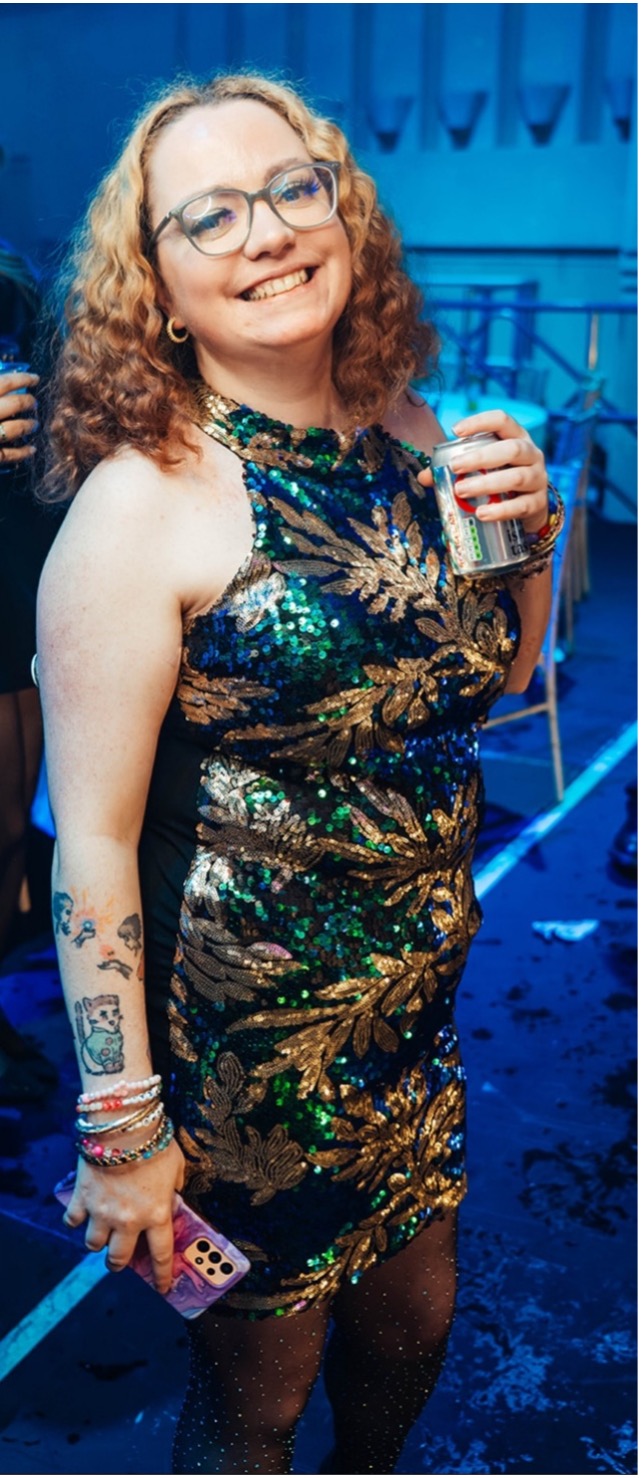
Living with diabetes doesn’t stop me working or doing things I like such as going to the cinema, playing mini golf or going to the theatre, it just means I have to add extra steps into any plan I make when I do those things, so I’m prepared in case something goes wrong.
It’s not a life without struggle, but it is my life, and while I’ll always be diabetic, because of the effort and work I put into managing it, thankfully it’s not all I am.
Diabetes is part of my life, but it doesn’t define my value, my capability or my ambition. It has shaped my journey and strengthened my belief that inclusion starts when we stop making assumptions and start asking “what do you need to be at your best” - a question I am regularly asked at L&C.