
The Essential Checklist for Inclusive Recruiting Success
April 20, 2026
Inclusive recruiting is one of the clearest ways an organization signals what it actually values, not just what it claims to value. Many HR teams and hiring managers enter the process with the best intentions but discover real gaps when they scrutinize each step of the hiring funnel. Bias in language, lack of visible representation, and unmeasured outcomes quietly erode the impact of even the most well-meaning diversity programs. This checklist gives you a practical, stage-by-stage framework to attract, select, and retain diverse talent, with specific attention to LGBTQ+ inclusion, because equitable recruiting does not happen by accident.
Key Takeaways
Define what inclusion means for your organization
Before you write a single job posting, your organization needs a clear, shared definition of inclusion. Not a polished statement for your website, but a working definition that shapes daily decisions in recruiting. This means being explicit about which dimensions of diversity you are prioritizing: race, gender identity, sexual orientation, disability, neurodiversity, and more.
Start by identifying gaps in your current workforce. Where is representation thin? What barriers exist in your culture or hiring process that prevent certain candidates from advancing? Honest answers to these questions let you set measurable goals, such as increasing the share of LGBTQ+ hires by a specific percentage within a defined timeline, rather than vague aspirations.
One often-overlooked signal of genuine inclusion commitment is leadership representation. 84% of LGBTQ+ graduates say the visible influence of diverse leaders affects their job choices. If your executive team does not reflect the diversity you promote, candidates notice.
Here is a quick checklist to anchor your foundation:
- Document a formal inclusion commitment that names LGBTQ+ equity specifically
- Set quarterly recruitment goals tied to diversity metrics
- Identify and elevate LGBTQ+ leaders and allies as visible ambassadors
- Communicate inclusion priorities in employer branding and job pages
- Share goals with internal teams so every hiring manager is aligned
- Review your inclusion statement annually for relevance and accuracy
Organizations recognized for best company diversity recognition consistently demonstrate that visible leadership and public accountability are not just symbolic gestures. They are the architecture that attracts candidates who have learned, often from hard experience, to scrutinize employer promises carefully.
Pro Tip: Ask your current LGBTQ+ employees whether they feel comfortable being out at work before you market yourself as an inclusive employer. Their candid feedback is more reliable than any external ranking.
Build inclusive job descriptions and outreach strategies
With a clear definition of inclusion, the next action is ensuring every job posting and outreach effort is inherently inclusive. This is where well-intentioned organizations frequently stumble, because exclusion in job descriptions is subtle and cumulative.

Language matters more than most hiring managers realize. Gendered words like “rockstar,” “dominant,” or “aggressive” skew toward male applicants. Heteronormative assumptions in benefits language, such as referencing “spousal” coverage without acknowledging same-sex partners, send quiet rejection signals to LGBTQ+ candidates. Bias in job descriptions can discourage LGBTQ+ and underrepresented talent from even applying in the first place.
Here is a step-by-step process for building more inclusive postings:
- Run every job description through a bias-checking tool before publishing
- Replace gendered pronouns and coded language with neutral alternatives
- Include a clear Equal Employment Opportunity statement that names LGBTQ+ identity
- List inclusive benefits explicitly: domestic partner coverage, gender-affirming care, and parental leave
- Add a brief note about your Employee Resource Groups (ERGs) or LGBTQ+ inclusion initiatives
- Review and update existing job postings quarterly, not just when a new role opens
“The job description is the first conversation you have with a candidate. If that conversation contains hidden barriers, the most qualified and diverse applicants walk away before you ever meet them.”
Outreach strategy is equally critical. Posting only on general job boards reaches a homogeneous talent pool. Expand your reach by partnering with LGBTQ+ professional networks, community organizations, and platforms specifically built for diverse hiring. Leveraging professional networks targeted to underrepresented groups dramatically widens your applicant pool and signals that inclusion is a recruitment priority, not an afterthought.
Also consider reducing bias in recruiting through targeted outreach at LGBTQ+ college groups, professional associations, and community events. Relationships built before a role opens make recruiting faster and more authentic when the moment arrives.
Reduce bias during selection and interviewing
Even with inclusive outreach, bias can affect selection and interviews. This is the stage where structured processes pay the highest dividends.
Unconscious bias does not announce itself. A hiring manager might unconsciously favor candidates whose names sound familiar, whose schools match their own, or whose communication style mirrors their own cultural background. Left unaddressed, these tendencies undermine all the work you did in outreach and job description writing.
Bias awareness training for every hiring panelist is non-negotiable. Unconscious bias training and structured interviews together support fairer recruitment outcomes. Training alone is not sufficient, but it creates the shared vocabulary that makes accountability conversations possible.
Here is a practical bias-reduction checklist for selection:
- Standardize interview questions so every candidate answers the same prompts
- Use numeric rating rubrics tied to specific job competencies, not general impressions
- Assemble diverse hiring panels with at least two reviewers per candidate
- Anonymize resumes at the initial screening stage where possible
- Debrief panels after each round to surface and name any bias patterns
- Document all decisions to create an audit trail for future process review
Pro Tip: Score candidates independently before group discussion. When panelists share scores first, they anchor on each other’s impressions rather than their own objective observations.
Technology can also assist. Explore diversity hiring tools designed specifically to reduce subjective screening and create more consistent evaluation across your candidate pool. The right platform reduces the manual burden on your team while improving the fairness of outcomes.
Measure success and continuously improve
Implementing an inclusive recruiting checklist is not a one-time project. Measurement is what separates organizations that improve from those that stagnate.
Track diversity data at every stage of the hiring funnel. Applicant demographics, interview conversion rates, offer acceptance rates, and actual hires should all be reviewed by identity categories where candidates voluntarily disclose them. Measuring candidate demographics helps identify exactly where your recruitment process is losing diverse talent.
Beyond the funnel, solicit direct feedback from candidates about their experience, including those who were not selected. Exit surveys from new hires who leave early are equally valuable data points.
Retention data connects recruiting to long-term inclusion outcomes. Workplaces with active LGBTQ+ inclusion programs boost retention rates by 35%, which means the investment in inclusive recruiting pays off far beyond the hire date.
Key metric: A 35% increase in retention linked to structured LGBTQ+ support programs is not a marginal gain. It translates directly into reduced turnover costs and stronger organizational culture.
Share measurement outcomes with leadership and hiring teams on a regular cadence. Transparency holds stakeholders accountable and builds the organizational will to keep improving.
Why checklists alone are not enough for truly inclusive hiring
Here is an uncomfortable truth: a checklist is a floor, not a ceiling. It prevents the most common errors, but it cannot manufacture genuine belonging.
We have seen organizations score perfectly on process metrics while LGBTQ+ employees quietly disengage because leadership’s daily behavior does not match the stated values. No rubric captures whether a manager creates psychological safety. No bias audit reveals whether an executive rolls their eyes during a pronoun discussion.
True inclusion is cultural, and culture is shaped by what leaders do when no one is measuring them. The organizations that earn diversity culture recognition year after year are not the ones with the most sophisticated tracking dashboards. They are the ones where accountability is public, feedback is welcomed, and leadership models the behavior they expect from everyone else.
Use this checklist to close your process gaps. Then invest just as seriously in the culture work that no checklist can replace.
Next steps: Access more LGBTQ+ inclusive recruiting resources
For organizations ready to deepen LGBTQ+ inclusion, connecting with leading platforms can provide powerful next steps.
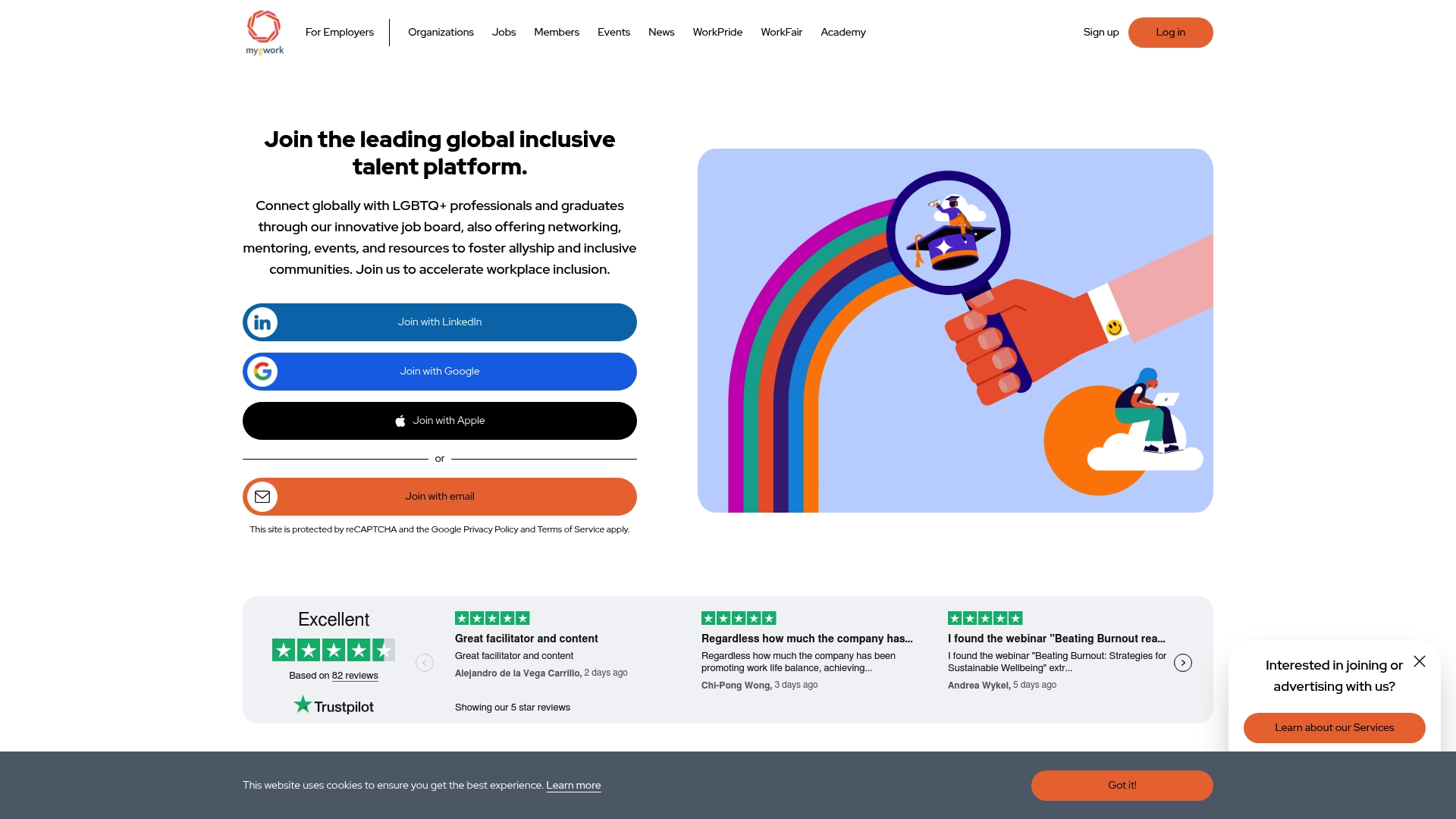
myGwork exists to bridge exactly this gap. Whether you need to post inclusive job listings, connect your team with LGBTQ+ talent networks, or access resources built for HR professionals committed to equitable hiring, the platform brings together everything in one place. You will find job boards, employer branding tools, community insights, and a global network of LGBTQ+ professionals and allies. Organizations that partner with myGwork signal clearly to candidates that inclusion is not just a policy but a lived priority, helping you attract, engage, and retain the talent your workplace needs to thrive.
Frequently asked questions
What is the most important step for inclusive recruiting?
Defining a clear inclusion commitment with measurable goals is the foundation for successful, equitable recruiting. 84% of LGBTQ+ graduates say visible diverse leadership directly shapes their job choices, making that commitment highly visible both internally and externally.
How can we reduce bias in the hiring process?
Introduce bias training for panelists and use standardized evaluation tools to minimize unconscious discrimination. Structured interviews combined with diverse hiring panels are among the most effective interventions available.
How do we measure the effectiveness of our inclusive recruiting practices?
Track diversity data at each hiring stage and monitor retention to connect efforts with outcomes. Workplaces with strong LGBTQ+ support programs see retention improve by 35%, making retention a reliable measure of recruiting and onboarding quality.
Why does culture matter more than a checklist?
Lasting inclusion is achieved through leadership behavior and organizational culture, not just following task lists. Checklists close process gaps, but daily leadership actions determine whether diverse employees experience genuine belonging.
Recommended
- Top 6 Diversity Hiring Tools Comparison 2026 for Hiring Managers
- 84% say visible LGBTQ+ leaders influence their job choices – does your organization qualify?
- Trans inclusion in the workplace: Updated guidance following UK Supreme Court Ruling
- Bias Training: Fostering LGBTQ+ Workplace Inclusion
- Employee Retention Solutions, Lower Turnover | OpenElevator