
LGBTQ+ Graduate School Career Pathways: 2026 Guide
June 18, 2026LGBTQ+ graduate school career pathways are the structured routes LGBTQ+ students take from advanced academic programs into professional roles at employers who actively support their identities. These pathways differ from general career planning because they require evaluating programs, employers, and networks through the lens of inclusion, not just professional fit. The Corporate Equality Index, LGBTQ+ student organizations like Out at Wharton and PRISM at Harvard, and platforms like myGwork are the tools that make this evaluation possible. Mental health is not a side issue here. Research confirms it is one of the strongest predictors of whether LGBTQ+ graduate students will thrive professionally. This guide gives you a clear framework for every stage.

What are inclusive career pathways for LGBTQ+ graduates?
An inclusive career pathway is one where your identity is not a liability you manage but a perspective you bring. For LGBTQ+ graduates, identifying that kind of employer requires more than reading a company’s diversity statement.
The most reliable signals of genuine inclusion are measurable. The Human Rights Campaign’s Corporate Equality Index scores employers on LGBTQ+ workplace policies, benefits, and practices. A score of 100 is achievable, and many top employers in consulting, finance, and tech hold it. Employers with long-standing involvement in programs like Stonewall’s Diversity Champions initiative demonstrate sustained LGBTQ+ workforce inclusion rather than performative efforts tied to Pride month. That distinction matters when you are choosing where to spend years of your career.
Employee Resource Groups, or ERGs, are the second signal to check. A company with an active LGBTQ+ ERG has infrastructure for community, mentorship, and policy advocacy already in place. A company without one, or one that hesitates when you ask about it, is telling you something important about its culture.
When searching for roles, use terms like “inclusive,” “diversity,” and “advocacy” in your filters. Mygwork lists jobs specifically at LGBTQ±friendly organizations, which removes the guesswork from your initial search. The platform also connects you with employers who have publicly committed to inclusion, so you can spend your energy evaluating fit rather than screening for basic safety.
- Check the Corporate Equality Index score for any employer you are seriously considering
- Ask directly about LGBTQ+ ERGs during informational interviews, not just formal interviews
- Use Mygwork and search filters with inclusion-specific terms to build your initial employer list
- Look for visible LGBTQ+ leaders in the organization, since representation at the top signals real cultural commitment
Pro Tip: Ask a recruiter to connect you with a current LGBTQ+ ERG member before you accept an offer. Their candor will tell you more than any policy document.
Which industries offer the best opportunities for LGBTQ+ grads?
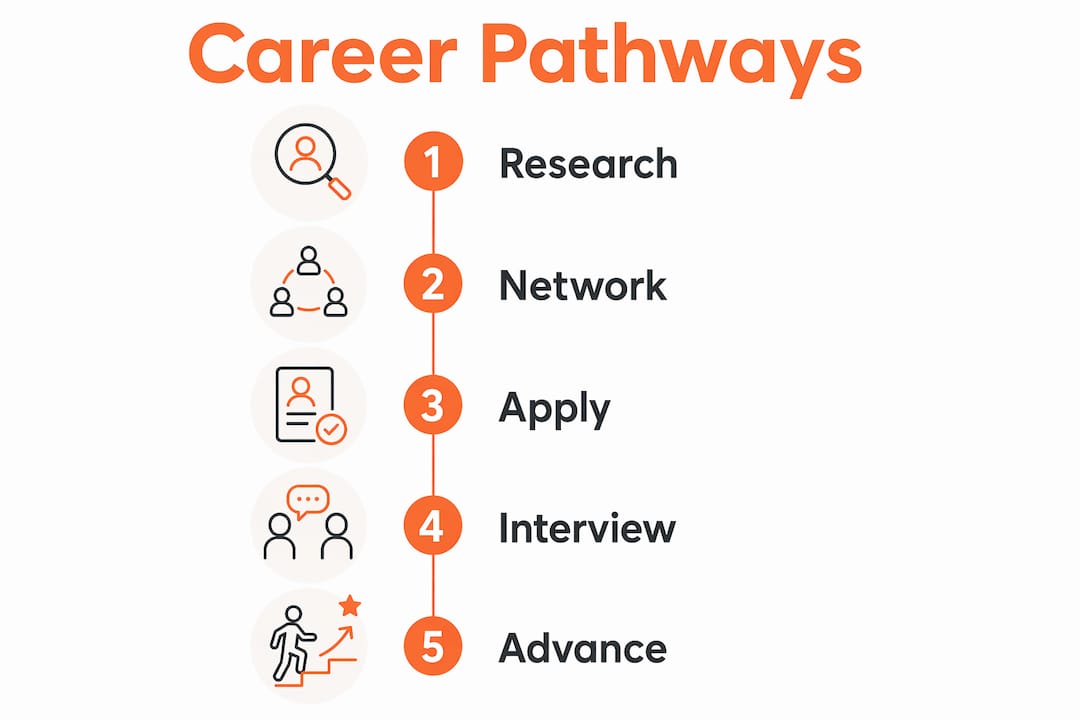
Marketing, communications, human resources, and project management are the four fields where LGBTQ+ perspectives are most actively sought by employers. Career centers at major universities confirm that LGBTQ+ graduates find strong footing in these sectors because the work itself rewards the ability to understand diverse audiences and navigate complex human dynamics. Project management roles are in particularly high demand, with 37% employer interest reported in 2026 hiring data. That number reflects a structural need, not a trend.

Beyond those four fields, consulting, technology, and finance have developed formal recruiting pipelines specifically for LGBTQ+ graduate students. Groups like Out at Wharton at the University of Pennsylvania and PRISM at Harvard Business School partner directly with career services and admissions offices to connect students with firms that have made explicit commitments to inclusion. These pipelines give you access to roles and conversations that never appear on a general job board.
Here is a breakdown of high-opportunity sectors and what makes each one worth considering:
Pro Tip: If your graduate program has an LGBTQ+ student organization, attend their employer panels even if you are not yet in job search mode. Firms that show up consistently are the ones genuinely invested in recruiting you.
How does mental health affect LGBTQ+ career success?
Mental health is a career strategy issue, not just a personal one. Research on LGBTQ+ graduate students in health fields shows they have significantly lower flourishing odds compared to their peers, with an odds ratio of 0.516. Depression is the single strongest barrier, with an odds ratio of 0.175 for flourishing. These numbers mean that untreated depression cuts the probability of professional thriving by more than half.
The most protective factor in the same research is school belonging, with an odds ratio of 1.969. That finding is direct: feeling connected to your academic community nearly doubles your odds of flourishing. It is not a soft outcome. It is a measurable predictor of career readiness.
“School belonging is the most protective factor for LGBTQ+ graduate student flourishing, with an odds ratio of 1.969, making community investment a career strategy, not just a wellness choice.” — Rutgers Research
Building that belonging requires deliberate action, especially in programs where LGBTQ+ students are a small minority.
- Connect with your campus LGBTQ+ resource center in your first semester, before you need it
- Use your university’s counseling services and ask specifically for therapists with LGBTQ+ competency
- Read resources like Mygwork’s guide on LGBTQ+ mental health in business to understand how mental health intersects with professional environments
- Join at least one LGBTQ+ graduate student group, whether academic, social, or professional in focus
- Track your energy and stress levels across the semester. Burnout in graduate school often precedes career setbacks
The data on LGBTQ+ graduates reconsidering career paths due to political and social shifts confirms that external pressures compound internal ones. Building your support network early is the most practical thing you can do for your long-term career.
How do you choose graduate programs and build professional networks?
Choosing a graduate program is a multi-layered evaluation that balances professional goals with your lived experience as an LGBTQ+ person. Diversity statements are a starting point, not a conclusion. The concrete institutional supports that actually affect your daily life vary widely across programs, and gender-neutral housing, chosen name policies, and gender-affirming health benefits are the specifics worth investigating before you commit.
Programs with explicit commitments to social justice and intersectionality provide more than a supportive environment. They equip you to address systemic bias in your field, which is a professional skill with real market value. Selecting programs with anti-racism and social justice foundations gives you both the academic framework and the professional vocabulary to lead in your sector.
Here is how two program types compare on the factors that matter most:
Once you are enrolled, join national LGBTQ+ professional associations immediately. Students who join these groups early in their studies gain access to exclusive recruiting events and pipelines that campus career centers simply cannot replicate. During applications and interviews, use the process strategically. Asking about ERGs and Corporate Equality Index scores is not just due diligence. It is a way to assess LGBTQ+ workplace culture before you are inside the organization. A company that cannot answer those questions clearly has already told you what you need to know.
Key takeaways
LGBTQ+ graduate school career pathways succeed when you combine inclusive employer research, mental health investment, and early professional network engagement from day one of your program.
What I have learned about navigating these pathways
The advice I give most often to LGBTQ+ graduate students is this: stop waiting for the perfect moment to advocate for yourself. The students who advance fastest are not the ones who found the most inclusive employers by accident. They are the ones who asked hard questions early, built networks before they needed them, and treated their identity as a professional asset rather than a disclosure risk.
I have seen graduates skip over ERG conversations during interviews because they did not want to seem demanding. Those same graduates often end up in workplaces where they spend energy managing their identity instead of doing their best work. The traits of truly inclusive workplaces are visible if you know what to look for. Learn to look.
The mental health piece is the one most people underestimate. Graduate school is already demanding. Add the weight of navigating identity in an environment that may not fully see you, and the compounding effect is real. Prioritizing your wellbeing is not a distraction from your career. It is the foundation of it.
Take your next step with myGwork
myGwork is the global professional networking platform built specifically for LGBTQ+ individuals, allies, and the organizations committed to hiring them. Whether you are searching for your first post-graduate role or building the professional network that will define your career, myGwork gives you access to job listings at LGBTQ±friendly employers, mentorship connections, and a community that understands what you are working toward.
You do not have to navigate LGBTQ+ career paths using tools designed for someone else. myGwork exists because generic job platforms miss what matters most to you. Explore LGBTQ+ inclusive job listings and connect with employers who have already done the work to earn your trust. Your next role is there.
FAQ
What is the corporate equality index and why does it matter?
The Corporate Equality Index is the Human Rights Campaign’s annual scorecard rating employers on LGBTQ+ workplace policies and benefits. A high score signals that an employer has institutionalized inclusion rather than treating it as a seasonal initiative.
Which graduate programs are best for LGBTQ+ students?
Programs with gender-affirming health benefits, chosen name policies, and active LGBTQ+ student organizations provide the strongest foundation. Look beyond diversity statements to verify concrete institutional supports before enrolling.
How do LGBTQ+ student groups help with career placement?
Groups like Out at Wharton and PRISM at Harvard partner directly with career services to create recruiting pipelines into consulting, tech, and finance firms. These connections often lead to opportunities unavailable through general campus career centers.
When should I join LGBTQ+ professional associations?
Join in your first semester of graduate school, not your final year. Early membership gives you access to exclusive recruiting events and mentorship relationships that take time to develop into real career opportunities.
How does mental health connect to career outcomes for LGBTQ+ grads?
Research shows depression reduces flourishing odds by more than half among LGBTQ+ graduate students, while school belonging nearly doubles them. Investing in mental health support and community early in your program directly improves your professional trajectory.