
LGBTQ+ Job Readiness: Skills, Strategies, and Resources
June 22, 2026
Job readiness for LGBTQ+ individuals is defined as the active preparation that combines professional skills, identity navigation strategies, and community resources to compete effectively in the workforce. Unlike general career readiness, LGBTQ+ employment readiness addresses specific challenges: managing identity disclosure, identifying genuinely inclusive employers, and building psychological resilience against workplace discrimination. Frameworks like the 4Cs of career adaptability, tools like the Corporate Equality Index, and coaching programs from organizations like The LGBTQIA+ Center and the Ali Forney Center form the backbone of this preparation. Whether you are a job seeker or an employer, understanding what is job readiness for LGBTQ+ is the first step toward building workplaces where everyone can perform at their best.
What is job readiness for LGBTQ+ individuals?
LGBTQ+ job readiness is the intersection of standard employability skills and identity-specific preparation. Standard employability covers resume writing, interview technique, and professional networking. Identity-specific preparation covers decisions about disclosure, pronoun use, and how to assess whether an employer is genuinely safe.
The term “employment readiness” in mainstream career development typically refers to technical skills and professional behaviors. For LGBTQ+ individuals, that definition expands to include psychosocial resilience and community capital. Programs like The LGBTQIA+ Center support individuals aged 18+ in building financial stability and professional confidence alongside those standard skills. That dual focus is what separates LGBTQ+ career readiness from a generic job prep checklist.
Employers benefit from understanding this expanded definition too. When hiring managers recognize that LGBTQ+ candidates carry additional cognitive load into interviews, they can design fairer, more structured processes. That shift alone improves the quality of hiring decisions.
What core skills and psychological frameworks support LGBTQ+ job readiness?
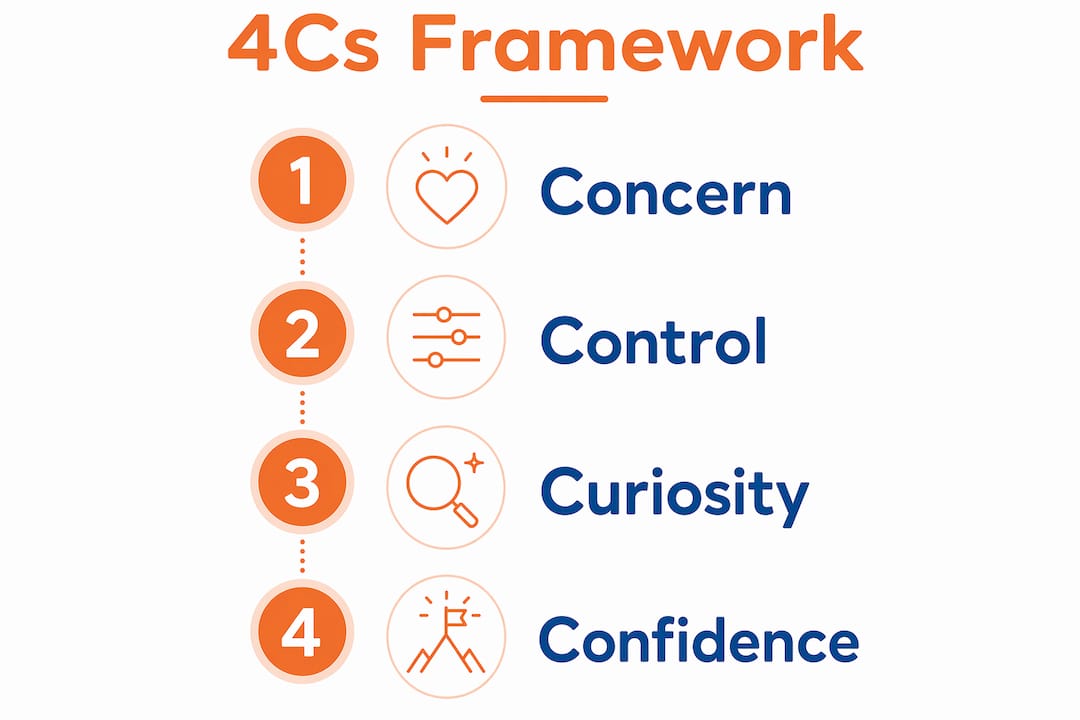
The 4Cs framework is the most research-backed psychological model for LGBTQ+ career adaptability. 2026 research confirms that Concern, Control, Curiosity, and Confidence each predict career satisfaction and resilience in LGBTQ+ populations. That means building these four capacities is not optional preparation. It is the foundation.
Here is what each of the 4Cs means in practice:
- Concern refers to taking the future seriously and planning ahead. For LGBTQ+ job seekers, this means researching employer policies before applying, not after receiving an offer.
- Control is the belief that your actions shape your outcomes. Candidates who score high on control are more likely to negotiate salary, ask about benefits, and advocate for themselves in interviews.
- Curiosity drives exploration of career options and industries. LGBTQ+ professionals who actively explore sectors with strong inclusion records, such as technology and higher education, find more compatible environments faster.
- Confidence is the capacity to act despite uncertainty. Mock interviews, mentorship through platforms like myGwork, and peer networks all build this capacity directly.
The 4Cs model also reduces feelings of isolation during job searches. That matters because isolation is one of the most consistent barriers LGBTQ+ candidates report during extended job searches.
Pro Tip: Practice each of the 4Cs deliberately. Write a one-paragraph career plan (Concern), identify three employers you will target this month (Control), research one new industry sector (Curiosity), and complete one mock interview this week (Confidence).
How should LGBTQ+ job seekers approach identity disclosure and resume customization?
Deciding how “out” to be during a job search is a personal and strategic decision. No candidate is obligated to disclose their identity unless they are requesting specific accommodations. The right choice depends on the employer’s track record, the local legal environment, and your own safety assessment.
When you do choose to include identity-related information, do it with intention. Consider these approaches:
- Use your chosen name and pronouns on your resume, cover letter, and LinkedIn profile. Most applicant tracking systems and hiring managers will follow your lead.
- Include LGBTQ+ leadership roles as professional experience. Serving as president of a campus Pride organization or leading a corporate Employee Resource Group demonstrates project management, public speaking, and coalition-building skills.
- Highlight advocacy work as transferable competencies. LGBTQ+ leadership on resumes signals collaboration and advocacy skills regardless of how much personal identity you disclose.
- Research the employer first. Check the Human Rights Campaign’s Corporate Equality Index score before deciding how much to share in your application materials.
- Protect your privacy online. Review your social media settings and decide consciously what is visible to potential employers before you apply.
Resume tools like EarnHire’s resume builder can help you format chosen names and pronouns cleanly within standard resume templates, removing the formatting friction that sometimes discourages candidates from including this information.
Pro Tip: If you are unsure whether to include LGBTQ+ affiliations on your resume, ask yourself: “Does this experience demonstrate a skill the employer values?” If yes, include it. The skill is the point, not the identity label.
What role do inclusive employer resources and networks play in job readiness?
Connecting with LGBTQ+ professional networks is one of the strongest predictors of long-term career growth. Networks like Out in Tech, the National LGBTQ+ Bar Association, and the National Gay and Lesbian Chamber of Commerce provide both job leads and psychosocial support. That combination is rare in mainstream career resources.
The table below compares the primary resources available to LGBTQ+ job seekers and what each one delivers:
Specialized career coaching through LGBTQ+ networks also reduces the isolation that makes extended job searches so damaging to confidence. When you see other LGBTQ+ professionals thriving in your target industry, the 4Cs framework activates naturally. You develop concern for your future, control over your path, curiosity about new options, and confidence to act.
myGwork connects LGBTQ+ professionals with employers who have demonstrated inclusion commitments, not just stated them. That distinction matters when you are deciding where to invest your time and energy.
What interview preparation strategies help LGBTQ+ candidates succeed?
Interview preparation for LGBTQ+ candidates goes beyond rehearsing answers to common questions. It includes preparing for identity-specific situations and using the interview itself to assess the employer.

Trans and nonbinary candidates benefit most from mock interviews that specifically practice calm, professional responses to misgendering. The goal is not to avoid the discomfort but to have a prepared, neutral response ready so it does not derail your focus. A simple, confident correction keeps the conversation professional and signals self-assurance to the interviewer.
Use the interview as a two-way assessment. Asking about gender-neutral restrooms, transition-related healthcare coverage, and LGBTQ+ Employee Resource Groups reveals what an organization actually does, not just what its website claims. Questions worth asking include:
- “Does your health plan include transition-related medical coverage?”
- “Is there an active LGBTQ+ Employee Resource Group, and how is it supported by leadership?”
- “How does the company handle complaints of discrimination or harassment?”
- “Are gender-neutral restrooms available at this location?”
These questions serve two purposes. They give you real information to make your decision. They also signal to the employer that you are a candidate who knows what you need and is not afraid to ask for it. That confidence is itself a job readiness signal.
Pro Tip: Research the employer’s Corporate Equality Index score before your interview. If they score below 80 out of 100, prepare specific questions about the gaps you find. It shows preparation and gives you concrete information.
How can employers recognize and support LGBTQ+ job readiness?
Employers who understand LGBTQ+ job readiness hire better and retain longer. Visible LGBTQ+ leadership directly influences hiring outcomes. Studies show that diverse leadership impacts the job choices of 84% of LGBTQ+ graduates positively. That is not a soft metric. It is a talent pipeline signal.
Employers who want to attract job-ready LGBTQ+ candidates should focus on four areas:
Inclusive branding. Job postings that explicitly mention LGBTQ+ inclusion, Employee Resource Groups, and benefits attract candidates who are already prepared to contribute. Vague diversity statements do not.
Structured, unbiased recruitment. Standardized interview questions and diverse hiring panels reduce the implicit bias that causes LGBTQ+ candidates to underperform in unstructured interviews. The candidate’s skills become the focus, not their identity.
Specialized support programs. LGBTQ+ support programs that include mentoring, ERG access, and manager training boost retention measurably. Retention is the return on the investment made during hiring.
Measurement. Track Corporate Equality Index scores, ERG participation rates, and LGBTQ+ representation at each level of the organization. What gets measured gets improved.
Key takeaways
LGBTQ+ job readiness requires professional skills, identity strategy, and community networks working together. No single element is sufficient on its own.
Why the disclosure question is the hardest part of LGBTQ+ job readiness
I have spent years watching LGBTQ+ professionals navigate the disclosure question, and the conventional advice consistently misses the point. Most guides tell you to “research the company culture” as if a quick LinkedIn search resolves the tension between authenticity and safety. It does not.
The real issue is that disclosure is not a one-time decision. It happens again every time you meet a new colleague, join a new team, or move to a new role. That ongoing cognitive load is something most career frameworks simply do not account for. The 4Cs model is one of the few that does, because it treats psychological resilience as a career skill, not a personal problem to solve privately.
What I have seen work consistently is building your network before you need it. LGBTQ+ professionals who connect with communities like Mygwork, Out in Tech, or the National LGBTQ+ Bar Association early in their careers have a reference group to consult when the disclosure question gets complicated. They are not making the decision alone.
The employer side of this equation is also improving, but unevenly. Corporate Equality Index scores have risen across industries, yet the gap between a high score and a genuinely safe daily experience for trans employees remains wide. Employers who want to close that gap need to spot truly inclusive workplaces from the inside, not just measure external metrics.
The most honest thing I can say is this: job readiness for LGBTQ+ individuals is harder than it should be. The frameworks and networks exist to make it more manageable. Use them without waiting until you are already in a difficult situation.
How myGwork supports your LGBTQ+ career readiness
myGwork is the global professional network built specifically for LGBTQ+ individuals, allies, and inclusive employers. The platform combines LGBTQ+ job listings, mentoring programs, networking events, and employer profiles verified for inclusion commitments. Whether you are building your first resume or evaluating a senior-level offer, myGwork connects you to the resources and people that make the process safer and more effective.
For job seekers, myGwork's employer directory filters by Corporate Equality Index scores and inclusion policies, so you spend your energy on applications that are worth your time. For employers, the platform provides access to a global pool of LGBTQ+ professionals who are actively job-ready and looking for organizations that match their values. If you are ready to take the next step, explore myGwork's platform and connect with a community that understands exactly what you are preparing for.
FAQ
What is LGBTQ+ job readiness in simple terms?
LGBTQ+ job readiness is the combination of professional skills, identity management strategies, and community resources that prepare LGBTQ+ individuals to compete effectively in the workforce. It goes beyond standard career preparation by addressing disclosure decisions, employer assessment, and psychological resilience.
Do I have to disclose my LGBTQ+ identity during a job search?
No. Disclosure is a personal and strategic choice. Experts advise evaluating employer inclusivity signals first and disclosing only when you feel safe or when you need to request specific accommodations.
What is the 4Cs framework for LGBTQ+ career readiness?
The 4Cs framework covers Concern, Control, Curiosity, and Confidence. Research published in 2026 identifies these four factors as key predictors of career adaptability and resilience for LGBTQ+ professionals.
How can I identify LGBTQ±friendly employers?
Use the Human Rights Campaign’s Corporate Equality Index to check employer scores, ask about ERGs and inclusive benefits during interviews, and review employer profiles on platforms like myGwork that verify inclusion commitments directly.
Should I include LGBTQ+ leadership roles on my resume?
Yes, when those roles demonstrate transferable skills. Serving in LGBTQ+ leadership positions highlights project management, advocacy, and collaboration competencies that are valuable to any employer, regardless of how much personal identity you choose to disclose.